
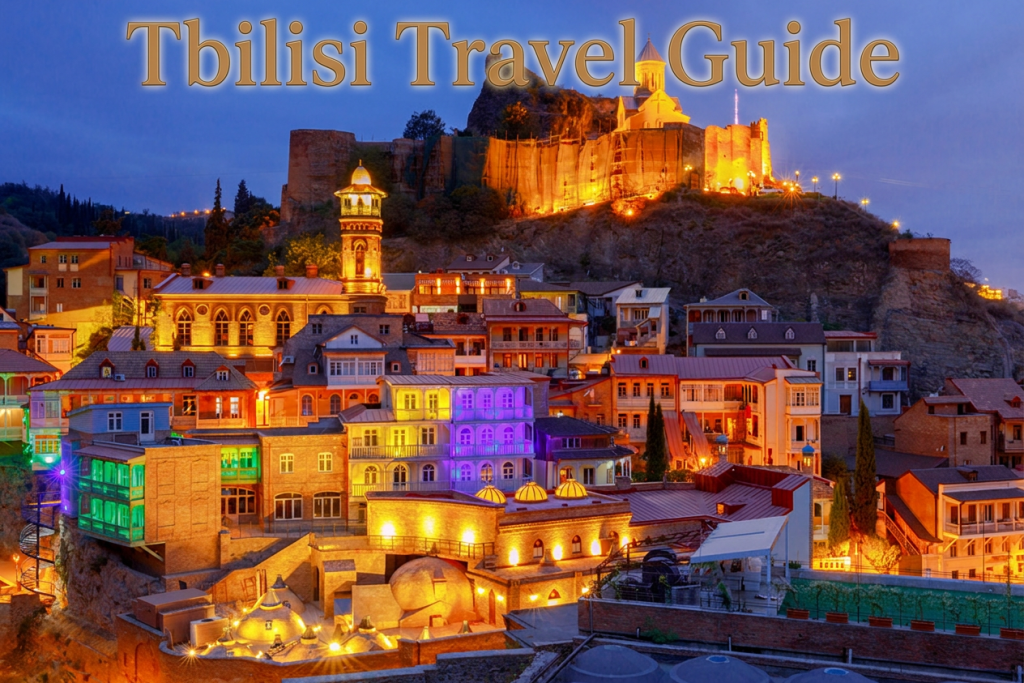
Tbilisi is a fascinating destination for travellers who want something a little different from the usual European city break.
Georgia’s capital combines colourful old-town houses, historic churches, hillside viewpoints, traditional food, wine culture and modern cafés. Its location between Europe and Asia has helped shape a distinctive identity, visible in everything from the city’s architecture to its cuisine.
The historic streets of Old Tbilisi are particularly appealing. Wooden balconies overlook narrow lanes, sulphur baths occupy a historic district, and the Mtkvari River winds through the city beneath bridges and hillsides.
For South Africans, Tbilisi may also be worth investigating because ordinary South African passport holders are listed among the nationalities that can enter Georgia without a visa for a stay of up to one full year, subject to current entry rules. However, visa-free entry does not mean that travellers can ignore passport, insurance or border requirements.
This guide explains what to know before planning a trip to Tbilisi, from flights and accommodation to sightseeing, local transport and the practical details that can make a holiday easier.
Where is Tbilisi?
Tbilisi is the capital and largest city of Georgia, a country in the Caucasus region between Eastern Europe and Western Asia.
Georgia borders Russia to the north, Azerbaijan to the southeast, Armenia to the south and Turkey to the southwest. Its western coastline lies along the Black Sea.
The country is known for its mountain scenery, historic churches, traditional food, distinctive wine culture and a long history influenced by neighbouring regions.
Tbilisi is a useful starting point for exploring Georgia because it offers a combination of accommodation, restaurants, transport connections, cultural attractions and organised excursions.
The official Georgia Travel tourism website provides an introduction to the capital and its main attractions.
Do South Africans need a visa for Tbilisi?
One of Georgia’s attractions for South African travellers is its visa-free entry arrangement.
The Georgian government’s official list of visa-exempt nationalities includes the Republic of South Africa. The applicable government ordinance states that citizens of listed countries may enter Georgia without a visa and stay for one full year. This is different from the shorter visa-free periods that apply to many other nationalities. See the official Georgian government visa-exemption list.
Nevertheless, confirm the current rules for your passport before booking. Immigration requirements can change, and the right to enter remains subject to the applicable conditions and the decision of border authorities.
Check the Embassy of Georgia in South Africa for current information and contact details.
What should you prepare before departure?
Even when a visa is not required, you should prepare for the possibility that airline staff or border officials will ask for supporting documents.
Consider carrying:
- A valid South African passport
- A return or onward travel itinerary, where applicable
- Your accommodation booking or address
- Evidence that you can support yourself during your visit
- Your travel medical and accident insurance policy
- Contact details for your accommodation
- Copies of important travel documents
Check the latest passport-validity requirements with the relevant official authorities and your airline.
Do not assume that a visa-free arrangement automatically guarantees admission to the country.
Important: Georgia requires travel insurance for tourists
This is one of the most important details to understand before travelling to Tbilisi.
From 1 January 2026, Georgia introduced a mandatory health and accident insurance requirement for tourists entering the country.
According to information published by the Georgian government and its diplomatic missions, the policy must:
- Cover the full period of the stay, including arrival and departure dates
- Provide insurance coverage of at least 30,000 Georgian lari (GEL)
- Be available in Georgian or English
- Be presented in physical or electronic form
- Include the required policy and coverage details
The policy may be issued by a Georgian or foreign insurance company, provided it meets the applicable requirements.
Read the official notice from the Embassy of Georgia regarding mandatory tourist insurance and confirm the latest rules before departure.
What should South Africans check when buying insurance?
Do not assume that an ordinary travel insurance policy automatically meets every Georgian entry requirement.
Ask the insurer to confirm in writing that the policy:
- Covers Georgia for the entire trip
- Meets the minimum required coverage
- Includes the required health and accident cover
- Provides documentation in English
- Shows the correct dates and insured person’s details
Keep a copy on your phone and, if practical, carry a printed version.
Travel insurance can also help with eligible medical expenses, cancellations, baggage problems and other disruptions, depending on the policy. Check the exclusions and emergency contact procedures rather than choosing a policy on price alone.
Our guide to Travel Insurance for South Africans: What to Check Before You Buy can help you compare the details.
When is the best time to visit Tbilisi?
Tbilisi can be visited throughout the year, but the weather and the type of trip you enjoy will influence the best time to go.
Spring: March to May
Spring is a good period for walking around the historic districts and exploring the city’s parks and viewpoints.
Temperatures generally become milder as the season progresses, although early spring can still be cool and unsettled.
Pack layers and comfortable walking shoes.
Summer: June to August
Summer is suitable for travellers who enjoy long days, outdoor cafés and day trips.
However, temperatures can become hot, particularly when walking through the city during the middle of the day. Plan indoor visits and shaded breaks around the hottest hours.
If you want to explore Georgia’s mountains as well, research the conditions along your intended route rather than assuming all areas have the same weather.
Autumn: September to November
Autumn can be an appealing time to visit, particularly if you enjoy food, wine and cooler sightseeing weather.
September and early October can be pleasant for walking, while later autumn becomes cooler and may bring more rain.
Autumn is also an attractive time to explore Georgia’s wider food and wine traditions.
Winter: December to February
Winter can bring cold weather and occasional snow to Tbilisi. The city still has cafés, museums, restaurants and historic attractions to explore, but outdoor sightseeing may be less comfortable.
If you want to combine Tbilisi with mountain destinations, check winter road conditions and whether your chosen activities are operating.
A practical option: Consider late spring or early autumn for a city-focused holiday. These periods can offer a comfortable balance for walking and sightseeing, although the weather is never guaranteed.
How do you get to Tbilisi from South Africa?
Most South African visitors will begin their journey at OR Tambo International Airport in Johannesburg or Cape Town International Airport.
Flight options depend on your departure city, travel dates, airline schedules and willingness to make connections.
When comparing fares, consider the complete journey rather than looking only at the initial price.
Check:
- Total travel time
- Number of connections
- Layover duration
- Baggage allowances
- Whether all flights are on one ticket
- Arrival time in Tbilisi
- Change and cancellation conditions
- Any transit visa requirements
A cheaper ticket with separate bookings may carry additional risks if a delayed flight causes you to miss your next departure. If you book separate tickets, allow plenty of time between flights and understand who is responsible if something goes wrong.
You should also check whether the route passes through a country where you need a transit visa, even if you do not plan to leave the airport.
Read How to Choose the Right Flight for an International Trip from South Africa: Price, Stops, Baggage & Schedule before making your decision.
Arriving at Tbilisi International Airport
Tbilisi International Airport is the city’s main international airport and is located outside the central tourist districts.
Depending on your arrival time, you can choose between public transport, a taxi or a pre-arranged transfer.
Airport bus
The airport’s official transport information lists municipal bus route 337 between the airport and central Tbilisi.
The airport publishes route, timetable and fare information on its official bus information page.
Check the latest timetable before relying on this service, particularly if your flight arrives late at night or early in the morning.
Taxi or pre-booked transfer
A taxi or transfer may be more convenient if you have substantial luggage, are travelling with family or arrive when public transport is limited.
Before getting into a vehicle, confirm the destination and fare arrangements. Use an official service or a reputable app where available, and be cautious about unsolicited offers inside or outside the airport.
If you arrange a transfer through your accommodation, confirm the driver’s details and meeting point in advance.
Where should you stay in Tbilisi?
Choosing the right area can make your visit easier. Tbilisi has a mix of historic streets, modern neighbourhoods, residential districts and hillside locations.
Old Tbilisi
Old Tbilisi is a popular choice for first-time visitors who want to explore historic architecture, cafés, restaurants and the sulphur-bath district.
It is convenient for walking around many of the city’s best-known attractions.
However, the area has steep streets, steps and uneven paving in places. Some accommodation is located in older buildings, so check guest reviews, access arrangements and room facilities carefully.
Sololaki
Sololaki is known for historic buildings, balconies, courtyards and streets with a distinctive architectural character.
It can suit travellers who enjoy exploring on foot and discovering cafés away from the busiest tourist routes.
As with Old Tbilisi, check the walking route to your accommodation. A property that looks close on a map may be uphill from the nearest main street.
Rustaveli Avenue and central Tbilisi
The area around Rustaveli Avenue offers access to shops, restaurants, cultural venues and transport connections.
It can be a useful base if you want a balance between sightseeing and everyday city life.
Compare individual properties rather than assuming that every hotel in this area will be equally convenient.
Avlabari
Avlabari sits on the opposite side of the river from parts of the historic centre and provides access to attractions such as Sameba Cathedral.
It may be worth comparing if you want accommodation outside the busiest Old Town streets.
Check transport connections and walking routes to the places you intend to visit.
What should you check before booking?
Look at more than the advertised nightly price.
Compare:
- Distance to public transport
- Walking distance to the attractions you want to visit
- Recent guest reviews
- Air conditioning and heating
- Lift access, if needed
- Breakfast availability
- Cancellation conditions
- Late check-in arrangements
- Luggage storage
- Taxes and other fees
A well-located guesthouse can be more practical than a cheaper property that requires lengthy journeys to reach the city centre.
For more help, see Hotel Booking Guide for South Africans: How to Choose the Right Accommodation.
The best things to do in Tbilisi
Tbilisi has enough attractions to fill several days, but you can experience many highlights over a long weekend.
1. Explore Old Tbilisi
Old Tbilisi is the natural starting point for most first-time visitors.
Walk through the narrow streets, admire the traditional wooden balconies and look for the courtyards and architectural details that give the district its character.
You will also find churches, cafés, restaurants and small shops throughout the area.
Allow time to wander rather than rushing from one landmark to another. Some of the most memorable discoveries are along side streets away from the busiest routes.
2. Visit the sulphur baths
Tbilisi’s sulphur baths are among its most distinctive attractions.
The historic Abanotubani district is known for its domed bathhouse roofs and naturally heated sulphur water. Bathing has long been part of the city’s identity.
Different establishments offer different experiences, including shared facilities and private rooms.
Before visiting, check prices, opening hours, reservation requirements and what is included. Ask about the bathing arrangements if you have not experienced a traditional bathhouse before.
The water temperature and sulphur smell may take some getting used to, but the experience can be a memorable part of a Tbilisi visit.
3. Take in the view from Narikala Fortress
Narikala Fortress stands on a hill overlooking Old Tbilisi and the river.
The viewpoint offers a broad perspective of the city’s rooftops, churches and surrounding hills.
You can explore the area on foot or investigate the available cable-car connection from Rike Park. Check current operating arrangements and weather conditions before planning the trip.
Some walking routes are steep, so wear suitable shoes and allow extra time if you prefer a slower pace.
4. Walk across the Bridge of Peace
The Bridge of Peace is a modern pedestrian bridge across the Mtkvari River.
Its contemporary design contrasts with the older buildings nearby, making it an interesting stop during a walk between Rike Park and the historic centre.
Visit during the day for views of the river and surrounding architecture, or return in the evening if you enjoy seeing the city illuminated.
5. Visit Metekhi Church and its viewpoint
Metekhi Church occupies a prominent position above the river, with a view across part of Old Tbilisi.
The surrounding area is useful for photographs and for understanding the city’s geography.
Remember that churches are places of worship. Dress respectfully, follow posted rules and avoid disrupting services.
6. See Sameba Cathedral
Holy Trinity Cathedral of Tbilisi, commonly known as Sameba, is one of the city’s most prominent religious buildings.
Its large scale and elevated setting make it a noticeable feature of the skyline.
Visitors should check access arrangements and observe local customs when entering religious buildings.
7. Explore Rustaveli Avenue
Rustaveli Avenue is one of central Tbilisi’s main thoroughfares.
It is a good place to explore shops, cafés, cultural buildings and the rhythm of the modern city.
You can combine a walk along the avenue with a museum visit or a meal at a nearby restaurant.
8. Ride the funicular to Mtatsminda
Mtatsminda offers elevated views over Tbilisi.
The funicular is an option for reaching the upper area, where you can explore viewpoints, cafés and Mtatsminda Park, depending on opening times and operating conditions.
Check current fares and operating hours before visiting. If the weather is poor, visibility from the top may be limited.
9. Visit the Dry Bridge market
The Dry Bridge market is known for second-hand items, antiques, artwork, souvenirs and other objects sold by local vendors.
What is available varies from day to day, so treat it as a place to browse rather than expecting to find a particular item.
If you buy antiques or cultural objects, check whether any export restrictions apply before taking them out of Georgia.
10. Discover Georgian food and wine
Food is an important part of Georgian culture, and Tbilisi offers opportunities to try traditional dishes, local wines and regional specialities.
You can explore traditional restaurants, casual bakeries and modern cafés. Consider a food-focused walking tour if you want to learn more about local ingredients and cooking traditions.
What should you eat in Tbilisi?
Georgian cuisine is one of the highlights of a visit.
Here are a few dishes to look out for.
Khachapuri
Khachapuri is a traditional cheese-filled bread found in different regional styles.
Some versions are round and filled with cheese, while Adjarian khachapuri is shaped like a boat and commonly topped with cheese, butter and egg.
It is filling, so consider sharing one if you want to sample several dishes.
Khinkali
Khinkali are dumplings that are often filled with meat and broth, although other fillings are available.
They are traditionally eaten by hand. Ask a local or your server if you are unfamiliar with the customary way of eating them.
Kharcho
Kharcho is a rich soup or stew with regional variations, often featuring meat, herbs and spices.
Recipes differ between restaurants, so ask about the ingredients if you have dietary restrictions.
Churchkhela
Churchkhela is a traditional sweet made by coating nuts on a string with a thickened fruit mixture.
It is often sold in markets and makes an interesting snack or souvenir, provided it is packaged and transported appropriately.
Georgian wine
Georgia has a long-established wine culture, including traditional winemaking methods that use clay vessels known as qvevri.
Wine tastings and restaurant wine lists can be a way to learn about different Georgian regions and grape varieties. If you do not drink alcohol, there are plenty of other foods and drinks to enjoy.
A note on dietary requirements
Menus may not always explain every ingredient in detail. If you have a food allergy or follow a specific diet, explain your requirements clearly and confirm how the food is prepared.
Vegetarian dishes are available, but it is still worth checking whether stocks, sauces or other ingredients contain meat products.
Getting around Tbilisi
You can explore many central attractions on foot, but Tbilisi also has public transport and taxi options.
Metro and buses
Tbilisi’s metro and municipal bus network can help you travel between different parts of the city.
The airport’s official bus information also provides details about route 337 into the city.
For transport fares, ticket products and operating information, check the latest information from the relevant official transport provider rather than relying on old online articles.
Taxis and ride-hailing
Taxis can be convenient for hills, late arrivals or journeys that are less practical by public transport.
Use a reputable service where available and check the destination and fare before the trip begins.
Do not assume that every taxi has the same pricing arrangements.
Walking
Walking is one of the best ways to explore the historic centre, but the terrain can be uneven and hilly.
Wear comfortable shoes, carry water in warmer weather and plan a slower pace if you want to visit several viewpoints.
If you have mobility limitations, check the exact route and access arrangements before booking accommodation or excursions.
What currency does Georgia use?
Georgia uses the Georgian lari (GEL).
South African travellers should check the exchange rate before departure and understand the fees charged by their bank or card provider.
Before travelling, compare:
- Foreign transaction fees
- Cash withdrawal charges
- Currency conversion rates
- Card acceptance
- International card settings
- Backup payment options
Avoid exchanging large amounts of money without comparing rates. Use reputable exchange providers and check the amount you will receive before agreeing to a transaction.
It is sensible to have a backup payment method in case a card is lost, blocked or not accepted.
When using a card terminal or ATM, pay attention to any offer to convert the transaction into South African rand. Compare the terms carefully, as the conversion offered by the terminal may not be the most favourable.
Is Tbilisi expensive for South Africans?
Tbilisi may be more affordable than some major Western European destinations, but the total cost depends on your flights, accommodation, travel dates, meals and activities.
Your main expenses will include:
- Flights from South Africa
- Accommodation
- Mandatory health and accident insurance
- Meals and drinks
- Airport transfers
- Public transport and taxis
- Attraction tickets and tours
- Shopping and personal spending
Flights can account for a significant part of the budget, particularly if the available routes require multiple connections.
Accommodation prices also vary by season and location. A central guesthouse may be good value, while a boutique hotel in a popular historic district may cost considerably more.
How to build a realistic budget
Separate the major costs from your daily spending.
First estimate flights, accommodation and insurance. Then add a daily allowance for meals, transport, sightseeing and incidental purchases.
Include a contingency for unexpected expenses and changes to your itinerary.
Compare accommodation based on its total cost and location, rather than the nightly rate alone. Likewise, compare flight itineraries using baggage, journey time and connection risks as well as price.
Our guide to How to Plan an International Trip from South Africa can help you organise the costs before booking.
Staying connected in Tbilisi
Mobile data can help you navigate the city, translate information, check transport options and contact accommodation providers.
Before leaving South Africa, compare international roaming, a local SIM card and travel eSIM options.
An eSIM may be convenient if your phone supports it and is not restricted by your network provider. Check that the plan covers Georgia, provides enough data for your needs and explains when the validity period starts.
If you choose an eSIM, follow the provider’s installation instructions before departure where possible. Keep access to your South African number if you need it for banking or verification messages.
Read How to Choose the Best eSIM for International Travel: A South African Traveller’s Guide before choosing a plan.
Safety and practical travel advice
As with any destination, it is worth checking current travel advice before visiting Georgia.
Political demonstrations and other local events can affect movement through parts of a city. Check current official travel advisories, avoid demonstrations and follow instructions from local authorities.
Other sensible precautions include:
- Keep your passport and valuables secure.
- Be alert in busy tourist areas.
- Use reputable transport services.
- Confirm prices before ordering or booking.
- Keep copies of important documents.
- Save your accommodation address offline.
- Carry the contact details for your insurer.
- Check weather conditions before day trips.
- Respect local customs at religious sites.
If you plan to travel beyond Tbilisi, research road conditions and the practicalities of your intended route. Mountain journeys can require more planning than a city visit, particularly in winter.
A suggested three-day Tbilisi itinerary
Three days gives you time to experience the historic centre, visit some major attractions and enjoy Georgian food without rushing through every stop.
Day 1: Old Tbilisi and the sulphur baths
Begin with a walk through Old Tbilisi, exploring its narrow streets, traditional balconies and small shops.
Visit the Abanotubani sulphur-bath district, then continue towards Metekhi Church and the Bridge of Peace.
In the afternoon, explore cafés or arrange a visit to a bathhouse. Finish with a traditional Georgian meal.
Day 2: Narikala, the river and central Tbilisi
Start with Narikala Fortress and the surrounding viewpoints.
Depending on the weather and your preferences, use the cable car or walk between the main attractions.
Later, explore Rustaveli Avenue, visit a museum or browse the Dry Bridge market if it fits your schedule.
Leave time for a relaxed meal and an evening walk.
Day 3: Mtatsminda or a day trip
If you want to remain in the city, consider the funicular to Mtatsminda for views and time in the park.
Alternatively, consider a guided excursion to Mtskheta, Georgia’s historic former capital. The official Georgia Travel guide to Mtskheta describes its historic churches and cultural significance.
Check transport arrangements and opening times before booking an excursion.
If you have four or five days, you can spread the sightseeing over a longer period or add a carefully planned trip beyond the capital.
Should you add Tbilisi to your travel plans?
Tbilisi is worth considering if you enjoy destinations with a strong sense of history, distinctive food, traditional architecture and a mix of old and modern city life.
It offers a different experience from the familiar capitals of Western Europe, and it can serve as a starting point for discovering more of Georgia.
For South Africans, the reported visa-free arrangement is an important advantage, but the mandatory insurance requirement introduced in 2026 is equally important to understand.
Before committing to flights, verify the latest entry rules, arrange compliant insurance, compare the full cost of accommodation and transport, and choose a location that suits the way you want to explore.
You do not need to plan every hour. A thoughtful itinerary with time for wandering, local meals and viewpoints can make Tbilisi a rewarding destination.
With the practical details taken care of, you can focus on discovering the character, history and hospitality of Georgia’s capital.
Official travel resources
Use these official sources to confirm important details before departure:
- Embassy of Georgia in South Africa
- Georgian government — Visa-exempt country list
- Embassy of Georgia — Mandatory tourist insurance information
- Tbilisi International Airport — Bus and public transport information
- Georgia Travel — Official tourism website
- Georgia Travel — Things to do in Tbilisi
Travel information note: Entry requirements, insurance rules, fares, timetables and attraction arrangements can change. Confirm the latest requirements with official sources before making travel decisions.