
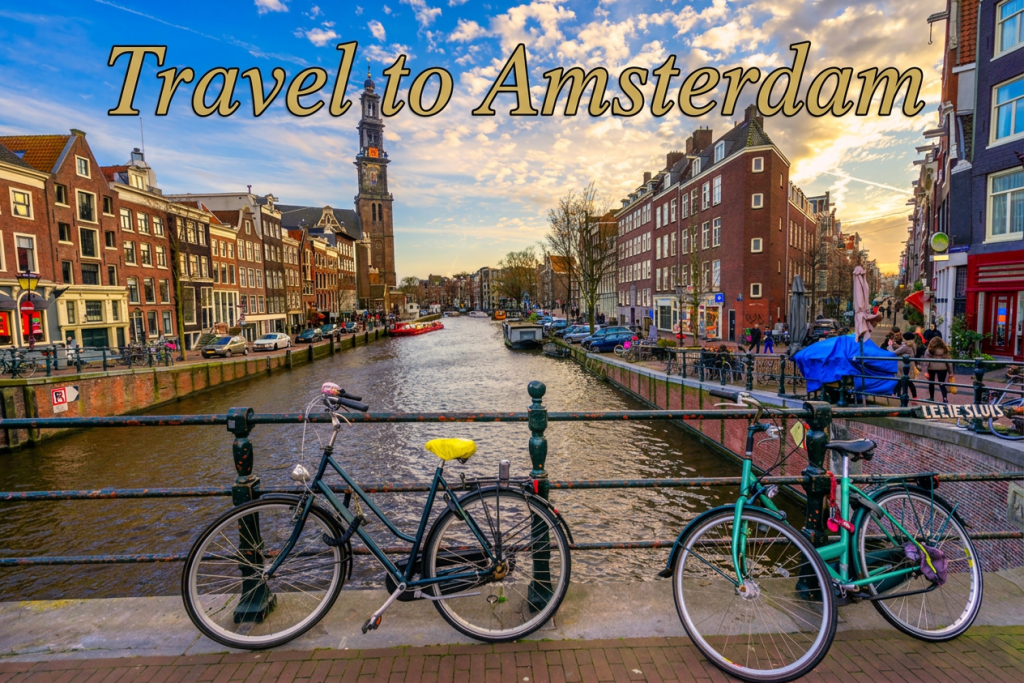
Amsterdam is one of Europe’s most recognisable cities, known for its historic canals, narrow townhouses, world-class museums, cycling culture and lively cafés.
The Dutch capital offers plenty to discover, whether you enjoy art and history, shopping, architecture, food or simply exploring unfamiliar streets on foot.
For South Africans planning an international holiday, Amsterdam can also be a convenient starting point for exploring the Netherlands and other European destinations.
However, travelling from South Africa requires some preparation. You’ll need to compare long-haul flights, understand the applicable visa requirements, choose accommodation carefully and work out how best to get around the city.
This guide explains what to consider before booking your trip, helping you plan an enjoyable Amsterdam holiday without overlooking the practical details.
Is Amsterdam worth visiting?
Amsterdam appeals to travellers who enjoy cities that combine history, culture and everyday local life.
Its canal belt, historic buildings and compact central neighbourhoods make it particularly attractive for walking and photography. Art lovers can visit major museums, while visitors who prefer a relaxed itinerary can spend time in markets, parks, cafés and neighbourhood streets.
The city is also a useful base for exploring other Dutch destinations by train.
However, Amsterdam is not necessarily a budget destination. Accommodation in popular central areas can be expensive, especially during busy periods. Restaurants, attractions and organised tours can add considerably to the cost of a holiday.
It is worth considering what you want from the trip before deciding how many days to spend there.
If you enjoy museums, architecture and exploring on foot, Amsterdam can easily fill several days. If you mainly want to see the highlights before travelling elsewhere in Europe, a shorter stay may be sufficient.
When is the best time to visit Amsterdam?
Amsterdam has four distinct seasons, and the best time to visit depends on your interests, budget and tolerance for changing weather.
Spring: March to May
Spring is particularly popular because of the seasonal flowers associated with the Netherlands.
Visitors may combine Amsterdam with a trip to see tulips and other spring blooms in the surrounding region. Flower displays are seasonal, however, so check the expected dates before planning your itinerary around them.
Temperatures can be cool, and rain is possible. Pack layers and a waterproof jacket.
Summer: June to August
Summer brings longer days, outdoor dining, canal cruises and opportunities to explore the city’s parks.
It is also a popular tourist period. Hotels can be expensive, and major attractions may have limited ticket availability at short notice.
Book accommodation and any must-see attractions in advance if you are travelling during the European summer holidays.
Autumn: September to November
Autumn can be a pleasant time for museums, canal-side walks and exploring neighbourhoods.
The weather becomes cooler, daylight hours shorten and rain is possible. On the other hand, you may find that the city feels less crowded than during peak summer periods, depending on your dates.
Winter: December to February
Winter brings cold weather, shorter days and the possibility of frost or snow, although conditions vary.
This can suit travellers who prefer museums, cafés, indoor attractions and seasonal city experiences. Warm clothing and waterproof footwear can make a difference to your comfort.
Do not assume winter will automatically be cheap. Compare actual flight and hotel prices for your chosen dates.
Planning tip: If you have flexibility, compare travel dates across several weeks. The cost difference between two nearby departure dates can sometimes be significant.
Flights from South Africa to Amsterdam
Travellers departing from Johannesburg or Cape Town can compare flights to Amsterdam Schiphol Airport, one of Europe’s major international airports.
Depending on the airline and schedule, your options may include direct services or itineraries with one or more connections. Routes and availability can change, so compare the options available for your specific dates.
When choosing a flight, consider more than the advertised fare.
- Total journey time: A cheaper ticket may involve a lengthy connection.
- Baggage allowance: Check whether checked luggage is included.
- Connection arrangements: Confirm whether your luggage is checked through to Amsterdam.
- Separate tickets: If you book separate flights, a delay on the first ticket may leave you responsible for missed onward travel.
- Arrival time: Consider transport availability and hotel check-in arrangements if you arrive late.
- Seat selection and extras: These charges can increase the total cost.
Compare the complete itinerary before deciding which flight offers the best value.
For more detailed advice, read How to Choose the Right Flight for an International Trip from South Africa: Price, Stops, Baggage & Schedule.
If your journey is lengthy or involves several connections, How to Plan a Long-Haul Flight from South Africa: Comfort, Connections, Baggage & Costs can help you prepare.
Do South Africans need a visa for Amsterdam?
South African ordinary passport holders generally need a Schengen visa for a short tourist visit to the Netherlands.
Because Amsterdam is in the Netherlands, you should follow the Dutch visa application process rather than assuming that the requirements for another European country are identical in every respect.
The official NetherlandsWorldwide visa guidance explains how eligible applicants can apply in South Africa, including through VFS Global application centres in Johannesburg, Pretoria, Cape Town and Durban.
Before applying, check:
- Whether your passport and circumstances require a visa.
- Which country is responsible for processing your application if you will visit several Schengen countries.
- The current document checklist.
- The appointment process and available dates.
- Proof of accommodation, travel plans and financial means.
- The applicable travel medical insurance requirements.
- The expected processing time.
Applications can generally be submitted up to six months before travel, but you should confirm the current rules and appointment availability before making plans.
Apply early. Do not assume that having a flight reservation guarantees visa approval, and be cautious about paying for non-refundable arrangements before you understand the risks.
If Amsterdam is part of a wider European itinerary, make sure your application reflects the actual trip.
Where should you stay in Amsterdam?
Amsterdam has several neighbourhoods worth considering. The right choice depends on your budget, preferred atmosphere and how much time you want to spend travelling between your accommodation and attractions.
Amsterdam Centrum
The central area is convenient for first-time visitors who want to explore many attractions on foot.
You will be close to historic streets, shops, restaurants and major transport connections. The trade-off is that some streets can be busy, noisy and expensive.
Check recent reviews for noise, room size, lift access and the exact location of the property.
Jordaan
Jordaan is known for its canals, narrow streets, independent shops, cafés and residential character.
It can be an appealing choice for visitors who enjoy walking and discovering neighbourhoods. Accommodation may be expensive in popular locations, and older buildings can have steep stairs.
De Pijp
De Pijp has a lively atmosphere, restaurants, cafés and access to the well-known Albert Cuyp Market.
It can suit travellers who want a neighbourhood experience while retaining access to the city centre by public transport.
Museum Quarter
This area is worth considering if visiting major museums is a priority.
You can explore the cultural attractions around Museumplein and nearby streets, although you should compare accommodation prices with other neighbourhoods.
Amsterdam Noord
Amsterdam Noord, across the IJ waterfront, offers a different perspective on the city.
It may provide accommodation options outside the historic centre, but you should check the actual journey to your planned attractions and whether ferry, metro or bus connections suit your schedule.
How to compare accommodation
Before booking, check:
- The total price, including applicable taxes and fees.
- Cancellation and refund conditions.
- Distance to public transport.
- Whether breakfast is included.
- Room size and bed arrangements.
- Air conditioning or heating, depending on the season.
- Lift access, particularly in older buildings.
- Recent guest reviews and noise levels.
A cheaper hotel outside the centre can offer good value, but only if transport costs and travel time remain reasonable.
See Hotel Booking Guide for South Africans: How to Choose the Right Accommodation for more guidance on comparing hotels and other accommodation.
The best things to see and do in Amsterdam
Amsterdam has a wide variety of attractions, from internationally recognised museums to quieter neighbourhoods and canal-side streets.
You do not need to visit every attraction to enjoy the city. Choose a few priorities and leave time to explore between them.
1. Take a canal cruise
Amsterdam’s canals are one of its defining features.
A boat cruise offers a different view of the historic buildings, bridges and streets lining the waterways. It can also be a comfortable way to see more of the city when your feet need a break.
Compare cruise duration, departure point, commentary and cancellation conditions before booking.
2. Visit the Rijksmuseum
The Rijksmuseum houses an extensive collection of Dutch art and history.
It is particularly well known for works from the Dutch Golden Age. If art and cultural history interest you, allow enough time to explore rather than trying to squeeze the museum into a short stop.
Check current opening hours and ticket arrangements before your visit.
3. Explore the Van Gogh Museum
The Van Gogh Museum focuses on the life and work of Vincent van Gogh.
It is a major attraction for art enthusiasts and can be particularly popular during busy travel periods.
If it is high on your list, check official ticket availability before finalising the rest of your itinerary.
4. Visit the Anne Frank House
The Anne Frank House preserves the history associated with Anne Frank and the persecution of Jewish people during the Second World War.
It is an important historical site and a deeply moving experience for many visitors.
Tickets and access arrangements can be restricted, so consult the official website well ahead of time rather than assuming you can buy entry on arrival.
5. Wander through the Jordaan neighbourhood
Jordaan is ideal for a slower afternoon of exploring.
Its canals, small shops, cafés and historic streets provide opportunities to experience a different side of Amsterdam beyond the main tourist attractions.
You do not necessarily need a paid tour. Simply choose a route, allow time for stops and enjoy the neighbourhood.
6. Browse Albert Cuyp Market
Albert Cuyp Market is a well-known street market in De Pijp.
It offers a chance to browse food, clothing, accessories and other goods. Opening days and individual stall availability can vary, so check current information before travelling there specifically for the market.
7. Visit Vondelpark
Vondelpark provides green space for walking, relaxing and taking a break from sightseeing.
It can be particularly pleasant in warmer months, although it remains worth considering in other seasons if the weather is suitable.
8. Explore Amsterdam’s canal belt
The historic canal belt is one of the city’s most distinctive areas.
Walk along the waterways, admire the architecture and look for the small details that make each street different. Early morning can be a good time for quieter photographs.
Be considerate of residents, and remember that the bridges and narrow pavements are also part of the city’s everyday transport routes.
9. Discover Dutch food
Trying local food is part of the travel experience.
Depending on the season and where you eat, you might sample stroopwafels, Dutch cheeses, herring, poffertjes or other regional dishes.
Markets, bakeries and neighbourhood cafés can offer alternatives to formal restaurants. Check menus and prices before ordering, particularly in busy tourist areas.
10. Consider a day trip outside Amsterdam
If you have several days available, you might consider exploring another Dutch town or a seasonal attraction outside the city.
Possible options include historic towns, traditional windmill areas and flower attractions during the appropriate season.
Before booking a day trip, check the travel time, transport connections and whether the attraction is open on your intended date.
How many days should you spend in Amsterdam?
For a first visit, three to five days is a useful starting point.
A three-day itinerary
Day 1: Explore the canal belt, Dam Square and the central streets. Finish with a canal cruise if it suits your budget.
Day 2: Visit the Rijksmuseum or Van Gogh Museum and spend time around Museumplein and Vondelpark.
Day 3: Explore Jordaan, visit a market or the Anne Frank House if you have secured tickets, and enjoy a relaxed evening meal.
This itinerary is flexible. Avoid trying to visit several major museums in one day unless you genuinely enjoy a packed schedule.
A five-day itinerary
With five days, you can spread the main attractions over a more relaxed period.
You might add extra museum time, explore De Pijp, visit another neighbourhood or take a day trip outside the city.
If Amsterdam is one stop on a longer European holiday, allow time for travel between destinations. Moving hotels and airports can consume more of a day than expected.
Getting from Schiphol Airport to Amsterdam
Amsterdam Airport Schiphol is the city’s main international airport.
The airport railway station is directly below the terminal, making the train a convenient option for many visitors heading towards Amsterdam Centraal and other destinations.
Other options include buses, taxis and pre-arranged transfers.
The official Schiphol public transport guide explains current options and payment methods.
When choosing your transfer, consider:
- Your arrival time.
- The location of your accommodation.
- The amount of luggage you have.
- Whether you are travelling alone or with a group.
- Whether you need to change trains or buses.
- The convenience of reaching your accommodation’s entrance.
The train can be practical if you are comfortable travelling with luggage and your accommodation is near a suitable station. A taxi or pre-arranged transfer may be easier if you arrive late or have several large bags.
Check current timetables, fares and any service disruptions before travelling.
Getting around Amsterdam
Amsterdam is well suited to walking, and its public transport network includes trams, buses, metro services, ferries and trains.
The best option depends on where you are staying and what you plan to visit.
Walking
Walking is often the simplest way to explore the central neighbourhoods.
Wear comfortable shoes and allow for uneven paving, bridges and long days on your feet.
Trams
Trams are useful for travelling between the centre and neighbourhoods such as De Pijp, Jordaan and the Museum Quarter.
They can save time when attractions are too far apart to walk comfortably.
Metro and buses
The metro is useful for certain longer journeys, while buses serve routes across the city and surrounding areas.
Check your route before boarding, especially if you are travelling to an attraction outside the central area.
Ferries
Ferries across the IJ provide connections between parts of Amsterdam, including routes serving Amsterdam Noord. Some routes are free, but confirm the current service and destination before travelling.
Should you buy a travel pass?
Amsterdam offers several travel-ticket options, including the I amsterdam City Card and transport passes for particular periods.
The I amsterdam City Card combines entry to participating attractions with eligible city transport benefits. However, not every train or regional service is included.
Compare the cost of a pass with the attractions and journeys you actually plan to use. A pass is not automatically cheaper simply because it offers multiple benefits.
Official information is available through I amsterdam’s public transport guide.
What does an Amsterdam holiday cost?
The cost of visiting Amsterdam depends on your travel dates, accommodation, dining choices and planned activities.
Rather than relying on a single estimated daily budget, build your own calculation around the trip you want to take.
Your main expenses will include:
- Return flights from South Africa.
- Schengen visa application costs, where applicable.
- Accommodation and applicable taxes.
- Meals, snacks and drinks.
- Airport transfers and local transport.
- Museum and attraction tickets.
- Canal cruises or guided tours.
- Travel medical insurance.
- Mobile data or an eSIM.
- Shopping and personal spending.
- A contingency for unexpected expenses.
Ways to manage your budget
Compare flight dates. A small change to your departure date may affect the fare considerably.
Choose accommodation strategically. A central location can save transport time, but a well-connected neighbourhood outside the centre may offer better value.
Book major attractions early. Advance booking can help you avoid disappointment at attractions with limited capacity.
Use public transport sensibly. Compare individual fares with travel passes based on your expected journeys.
Mix dining options. You can enjoy Dutch food without eating at expensive restaurants for every meal.
Watch additional charges. Check whether taxes, breakfast, luggage storage or other fees are included in the quoted price.
Keep emergency funds available. Delays, changes to travel arrangements and unexpected expenses can affect your budget.
Staying connected: roaming or an eSIM?
A working mobile connection can help you navigate the city, check transport routes, access tickets, translate information and keep in touch with family.
Before leaving South Africa, compare your mobile provider’s international roaming rates with the cost of an eSIM or local SIM option.
An eSIM may be convenient if your phone supports the technology and is compatible with the provider’s service.
Before purchasing a package, check:
- Whether the Netherlands is included.
- The amount of data provided.
- How long the package lasts.
- Whether calls and SMS messages are included.
- Whether hotspot use is permitted.
- Whether your phone is compatible and unlocked where necessary.
An eSIM data package may not replace your South African number for bank verification messages or other services.
Read How to Choose the Best eSIM for International Travel: A South African Traveller’s Guide before comparing options.
Travel insurance for Amsterdam
Travel medical insurance is an important part of planning an international holiday.
For travellers who require a Schengen visa, the policy must meet the applicable visa requirements. Check the current conditions before applying.
You should also consider what the policy covers if your plans change or something goes wrong.
Compare cover for emergency medical treatment, assistance, cancellation or interruption, baggage problems and travel delays. Review exclusions, excesses, benefit limits and the process for making a claim.
Make sure your policy covers the full period of travel, including any connecting destinations.
Our guide, Travel Insurance for South Africans: What to Check Before You Buy, explains the main considerations when comparing policies.
Staying safe in Amsterdam
Amsterdam is a major international tourist destination, and ordinary travel precautions are sensible.
Be particularly careful with your belongings in crowded areas, on public transport and around busy attractions.
Practical precautions include:
- Keep your phone and wallet secure.
- Avoid leaving bags unattended in cafés or restaurants.
- Store your passport securely and carry it when required.
- Keep copies of important travel documents.
- Use official or reputable transport services.
- Be alert around busy stations and tourist areas.
- Keep emergency contact details accessible.
Cycling is a normal part of everyday life in Amsterdam. Watch for cycle lanes when crossing streets and avoid walking into them while looking at your phone. Do not assume that a quiet-looking lane is intended for pedestrians.
If you hire a bicycle, understand the traffic rules, use appropriate lights and locks, and make sure you are comfortable riding in busy urban conditions.
What should you pack for Amsterdam?
Your packing list should reflect the season and the activities you have planned.
Useful items may include:
- Comfortable walking shoes.
- Layers that can be added or removed.
- A waterproof jacket or compact umbrella.
- Warm clothing during colder months.
- A suitable day bag.
- A phone charger and travel adapter.
- Essential medication and prescriptions.
- Travel documents and copies.
- A secure place for your passport and payment cards.
- Any equipment needed for your planned activities.
The weather can change during the day, so flexible clothing is often more useful than packing only for the forecast at the time of departure.
Avoid bringing more luggage than you need. A manageable suitcase makes train journeys, airport transfers and changes of accommodation easier.
For practical advice on choosing a suitcase, read How to Choose the Right Luggage for International Travel.
Should you combine Amsterdam with another European destination?
Amsterdam can be an excellent stop on a wider European holiday.
You might combine it with Paris, Rome, Barcelona or another destination, depending on your interests and the time available.
Before booking a multi-city trip, compare transport options, journey times and total costs. A short flight can still involve airport transfers, security procedures and waiting time. Train travel may be more convenient on some routes.
Also consider how much time you want to spend in each city. A longer stay in two destinations may be more rewarding than rushing through four or five.
If you plan to visit several Schengen countries, check which country’s visa application process applies to your itinerary. Your travel arrangements and visa application should reflect your actual plans.
Read How to Plan a Multi-City International Trip from South Africa: Flights, Connections, Budget & Itinerary before committing to a complex route.
Amsterdam travel checklist for South Africans
Before departure, confirm the following:
- Your passport meets the applicable travel requirements.
- You have checked whether you need a Schengen visa.
- Your visa application reflects your actual itinerary.
- Your flights and connections are confirmed.
- You understand the baggage allowance for every flight.
- Your accommodation is booked and the address is saved.
- You have checked airport transfer options.
- You have arranged appropriate travel medical insurance.
- You have planned how to access mobile data.
- You have checked ticket availability for major attractions.
- You have budgeted for transport, meals and additional fees.
- You have secured copies of important documents.
- You have considered the weather and packed suitable clothing.
Final thoughts
Amsterdam offers a distinctive European city experience, combining historic canals, celebrated museums, neighbourhood cafés, cycling culture and convenient connections to other destinations.
For South Africans, the key is to plan the practical details early. Compare flights carefully, understand the Schengen visa process, choose accommodation that suits your itinerary and budget, and allow enough time to enjoy the city without rushing.
You do not need to visit every museum or attraction to appreciate Amsterdam. Select the experiences that interest you most, explore the city on foot and leave room for the unexpected discoveries that often become the best part of a holiday.
With sensible preparation, Amsterdam can be a memorable destination on its own or part of a broader European adventure.