
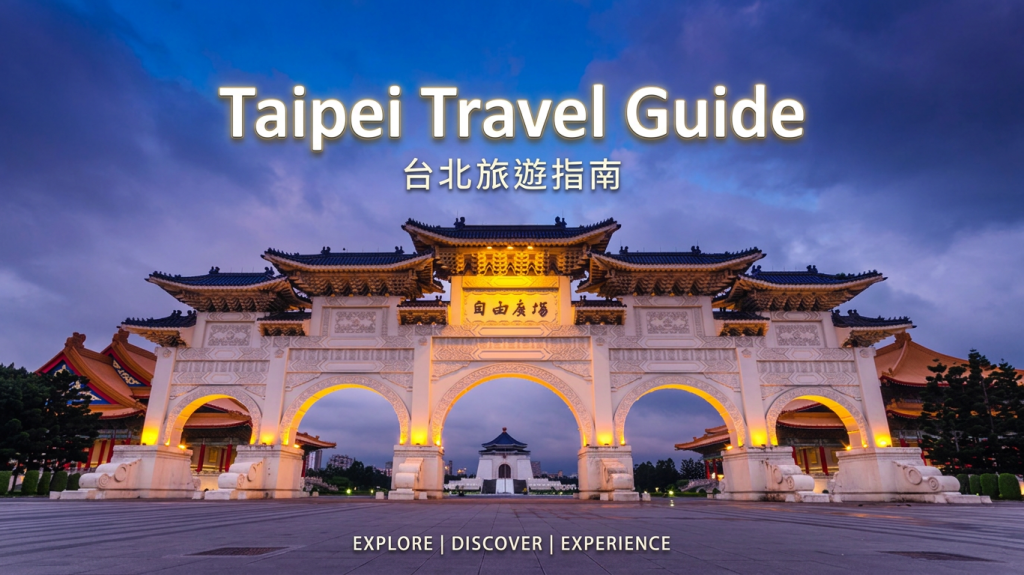
Taipei is an exciting destination for travellers who want to experience a different side of Asia. Taiwan’s capital combines modern skyscrapers, traditional temples, lively night markets, excellent public transport and a food culture that rewards curious visitors.
You can spend the morning exploring historic streets, enjoy Taiwanese noodles for lunch, visit a spectacular city viewpoint in the afternoon and finish the day sampling street food at a night market.
For South Africans, however, a trip to Taipei requires some planning. Long-haul flights, visa arrangements, accommodation costs and the distance between South Africa and East Asia all need to be considered before booking.
If you’re still planning the broader journey, our guide to planning an international trip from South Africa is a useful starting point.
This guide explains what to know before travelling to Taipei, including the main attractions, transport options, food, accommodation and practical travel advice.
Where is Taipei?
Taipei is the capital of Taiwan, an island in East Asia. It is located in the northern part of the island and serves as a major centre for business, culture, shopping and transport.
Taiwan is known for its combination of modern cities, mountainous landscapes, historic temples, coastal scenery and distinctive cuisine.
Taipei is also a useful base for exploring nearby destinations, including the historic mountain town of Jiufen, the coastal scenery around the north-east of the island and the hot-spring area of Beitou.
Travellers looking for a city break can easily spend several days in Taipei, while those with more time can use the city as the starting point for a longer Taiwan itinerary.
If you’re comparing Asian destinations, you may also enjoy our guides to Singapore, Bangkok and Kuala Lumpur.
Do South Africans need a visa for Taiwan?
South African ordinary-passport holders should confirm and arrange the appropriate visa before travelling to Taiwan. Do not assume that visa-free arrangements available to some other nationalities also apply to South African passport holders.
Start by checking the official information from Taiwan’s Bureau of Consular Affairs:
- Taiwan Bureau of Consular Affairs — Visitor visa information
- Taiwan Bureau of Consular Affairs — Official website
Requirements can depend on nationality, purpose of travel and individual circumstances. Confirm the current requirements directly with the relevant Taiwanese representative office before making non-refundable bookings.
Depending on the application process and your circumstances, you may need documents such as:
- A passport with sufficient remaining validity
- A completed visa application
- Recent passport photographs
- Details of your travel itinerary
- Evidence of onward or return travel
- Accommodation information
- Evidence of sufficient funds
- Supporting documents requested by the authorities
Do not rely solely on old travel blogs or third-party visa websites. Requirements and procedures can change.
How to get from South Africa to Taipei
Travelling from South Africa to Taipei usually involves a long-haul journey. The best route depends on the airline, departure date, connections and ticket price.
Travellers departing from Johannesburg should compare itineraries carefully rather than choosing a flight based only on its advertised fare.
Depending on the schedules available for your dates, possible connections may include major Asian or Middle Eastern airports.
When comparing flights, consider:
- Total journey time
- Number of connections
- Length of each layover
- Whether baggage is checked through to Taipei
- Whether separate tickets are involved
- Airport changes during the journey
- Transit visa requirements, where applicable
- Cancellation and change conditions
A ticket with a lower price may involve a much longer journey or an inconvenient overnight connection. A slightly more expensive itinerary may be worth considering if it saves several hours or reduces the risks associated with separate tickets.
Our guide to choosing the right flight for an international trip from South Africa explains how to compare fares, baggage allowances, connections and schedules.
If you plan to visit Taiwan alongside another destination, see our guide to planning a multi-city international trip from South Africa.
When is the best time to visit Taipei?
Taipei has a subtropical climate, with warm, humid summers and generally cooler winters. Rain can occur throughout the year.
The best time to visit depends on your preferred activities and tolerance for heat, humidity and rain.
Spring
Spring can be a pleasant time for sightseeing, walking through city neighbourhoods and visiting parks. Temperatures generally become warmer as the season progresses.
Summer
Summer is hot and humid, with frequent rain and the possibility of tropical storms or typhoons. If you travel during this period, allow flexibility in your itinerary and check weather warnings.
Autumn
Autumn can be a good period for exploring the city, visiting night markets and taking day trips. Conditions vary, so check forecasts for your travel dates.
Winter
Winter is usually cooler than summer, although Taipei can still be damp and rainy. It can suit travellers who prefer to avoid the hottest weather.
Practical tip: Check the forecast shortly before departure and pack a compact umbrella or lightweight rain jacket. Weather can affect outdoor sightseeing and mountain excursions.
The best things to do in Taipei
Taipei offers a mixture of modern attractions, historic sites, shopping districts and outdoor experiences.
1. Visit Taipei 101
Taipei 101 is one of the city’s most recognisable landmarks. The skyscraper dominates the skyline and is surrounded by shopping, restaurants and the busy Xinyi district.
Visitors can explore the shopping complex and, subject to opening hours and ticket availability, visit the observation facilities for views across the city.
For a memorable experience, consider visiting around sunset. You may see the city in daylight before watching the lights come on after dark.
2. Explore the night markets
Night markets are an essential part of the Taipei experience. They combine food stalls, small shops, games and busy pedestrian streets.
Popular options include Raohe Street Night Market and Shilin Night Market.
You can sample local dishes, try unfamiliar snacks and experience the lively atmosphere without needing to book an expensive restaurant.
Carry some cash, check prices before ordering and choose food stalls with good turnover and appropriate food-handling practices.
3. Visit Longshan Temple
Longshan Temple is one of Taipei’s best-known religious and cultural sites. It offers an opportunity to observe traditional architecture, religious practices and the role temples play in local life.
Visitors should behave respectfully, avoid disrupting worshippers and follow any signs or instructions about photography.
A temple visit can also be combined with a walk through nearby historic streets.
4. See the National Palace Museum
The National Palace Museum is a major attraction for visitors interested in Chinese art, history and cultural artefacts.
Its collections include historic objects and artworks, making it a useful addition to an itinerary that goes beyond shopping and food.
Allow enough time for your visit and check opening hours, ticket arrangements and any exhibition restrictions before going.
5. Visit Chiang Kai-shek Memorial Hall
This large memorial complex is known for its striking architecture, spacious grounds and ceremonial areas.
The surrounding gardens and plazas provide a contrast to Taipei’s busy streets and skyscrapers.
It is a convenient attraction to combine with other central Taipei sights.
6. Explore Ximending
Ximending is a lively shopping and entertainment district known for fashion, street culture, restaurants and pedestrian areas.
It can be particularly appealing to travellers who enjoy browsing shops, people-watching and discovering casual places to eat.
Visit during the evening if you want to experience the neighbourhood when it is busy.
7. Take a trip to Beitou’s hot-spring area
Beitou, in northern Taipei, is known for its hot springs and geothermal features.
It provides a different experience from the central city and can be a good option for travellers who want a slower-paced outing.
Check the opening hours and bathing rules of any hot-spring facility before visiting. Some facilities have specific clothing, reservation or access requirements.
8. Walk up Elephant Mountain
Xiangshan, commonly known as Elephant Mountain, is popular for its views of Taipei and Taipei 101.
The trail includes steps and uphill sections, so comfortable footwear is important. The climb may be challenging for travellers with limited mobility or those unaccustomed to steep walks.
If you plan to visit around sunset, allow enough time to climb and return safely. Weather, visibility and trail conditions can affect the experience.
For more attractions and current visitor information, use the official Taipei Travel website.
What should you eat in Taipei?
Food is one of Taipei’s main attractions. The city offers everything from inexpensive street food to restaurants specialising in regional Chinese and Taiwanese dishes.
Popular foods to look out for include:
Beef noodle soup
A hearty bowl of noodles served in a savoury broth, often with tender beef. Recipes vary between restaurants.
Xiao long bao
These delicate soup dumplings are filled with meat and broth. They are usually eaten carefully with chopsticks and a spoon to avoid spilling the hot liquid.
Gua bao
A soft steamed bun commonly filled with braised pork and other ingredients. Fillings vary, and vegetarian alternatives may be available.
Scallion pancakes
A savoury pancake made with spring onions. It can be a convenient snack while exploring markets or shopping areas.
Bubble tea
Taiwan is strongly associated with bubble tea, a drink that often combines tea, milk or fruit flavours with chewy tapioca pearls.
You can usually choose sweetness and ice levels, which is useful if you prefer a less-sweet drink.
Night-market snacks
Night markets offer a wide range of food, including grilled items, fried snacks, desserts and local specialities.
If you have allergies or dietary restrictions, ask about ingredients before ordering. Communication can sometimes be difficult, particularly at small stalls, so having key dietary information written in Chinese may help.
Getting around Taipei
Taipei’s public transport system makes it relatively straightforward to explore the city without hiring a car.
Taipei Metro (MRT)
The metro is one of the most convenient ways to travel between major neighbourhoods and attractions.
It is useful for reaching shopping districts, museums, temples and transport hubs. Check station names and route maps before setting out.
Buses
Buses serve areas that are not directly connected by the metro. They can be useful for reaching parks, scenic areas and some attractions outside the central city.
Check the route and payment rules before boarding.
EasyCard
An EasyCard is a rechargeable transport card that can simplify payment on participating public transport services. Acceptance and permitted uses vary by service.
Check current instructions for purchasing and topping up the card when you arrive.
Taxis and ride-hailing
Taxis can be useful when travelling with luggage, returning late at night or reaching places that are less convenient by public transport.
Keep your destination written in Chinese if possible, as this may make communication easier.
Walking
Many neighbourhoods are enjoyable to explore on foot, particularly around shopping streets, temples and food districts.
Taipei can be humid, so carry water and allow breaks during warmer weather.
For current transport guidance, consult the official Taipei Travel website.
Where should you stay in Taipei?
Choosing the right area can make a significant difference to your trip.
Taipei Main Station area
This area can be convenient for visitors who prioritise transport connections and easy access to other parts of the city.
It is worth considering if you plan to take trains or buses for day trips.
Ximending
Ximending is suitable for travellers who enjoy shopping, casual restaurants and lively streets.
It can be a good option for visitors who want entertainment and food within walking distance.
Xinyi
Xinyi is known for Taipei 101, shopping centres, restaurants and a modern city atmosphere.
Accommodation here may suit travellers who want to stay close to major shopping and business areas, although prices can vary considerably.
Zhongshan
Zhongshan offers shopping, cafés, restaurants and convenient transport connections. It can suit visitors looking for a mix of local neighbourhood life and city convenience.
How to compare accommodation
Before booking, check:
- Distance to the nearest MRT station
- Total price, including taxes and service charges
- Room size and bed configuration
- Cancellation conditions
- Reviews from recent guests
- Noise levels
- Check-in times
- Luggage storage options
- Whether breakfast is included
A lower room rate is not always the best value if the hotel is far from transport or has restrictive cancellation conditions.
Our hotel booking guide for South Africans provides more advice on comparing accommodation and checking booking conditions.
How much does a Taipei trip cost?
Your total cost will depend on flight prices, travel dates, accommodation standards, food choices and the length of your stay.
For South Africans, the flight is likely to be one of the largest expenses, so compare travel dates and routes before settling on a budget.
Build your budget around the following categories:
- Return flights from South Africa
- Visa application and related expenses
- Accommodation
- Food and drinks
- Metro, bus and taxi fares
- Attraction tickets
- Travel insurance
- Mobile data or an eSIM
- Shopping
- Emergency funds
Ways to manage your budget
Compare flights early. Look at different departure dates and connection options, but consider the total journey and ticket conditions.
Choose accommodation near transport. A slightly more expensive hotel in a convenient location may reduce taxi costs and save time.
Use public transport. The metro and buses can help keep everyday travel expenses under control.
Enjoy local food. Night markets and casual eateries offer alternatives to higher-priced restaurants.
Check attraction prices. Some attractions are free, while others charge admission. Confirm current prices before building your itinerary.
Allow for exchange-rate changes. Your final cost in rand will depend partly on the exchange rate and any foreign transaction fees charged by your bank or card provider.
Rather than relying on a single online estimate, price the main components for your intended travel dates and add a contingency for unexpected expenses.
How many days should you spend in Taipei?
For a first visit, four to five days can provide a comfortable starting point.
A possible itinerary could look like this:
Day 1: Arrive and explore nearby
Check into your accommodation, familiarise yourself with the local transport system and explore the neighbourhood around your hotel.
Keep the first day flexible if you arrive after a long journey.
Day 2: Taipei’s main landmarks
Visit Taipei 101 and the Xinyi district, then explore Chiang Kai-shek Memorial Hall or another central attraction.
Finish the day with dinner at a night market.
Day 3: Culture and historic Taipei
Visit Longshan Temple and explore nearby historic streets. Add the National Palace Museum if its collections interest you and you have enough time.
Day 4: Scenic Taipei
Choose between Elephant Mountain, Beitou’s hot-spring area or another outdoor attraction, depending on the weather and your interests.
Day 5: Shopping and a relaxed departure
Spend the final day exploring Ximending, Zhongshan or another neighbourhood before travelling to the airport.
This is only a starting point. Adjust the schedule to account for arrival and departure times, weather, opening hours and your own pace.
Can you take day trips from Taipei?
Yes. Taipei is a useful base for exploring several destinations in northern Taiwan.
Jiufen
Jiufen is known for its historic streets, tea houses, shops and hillside setting. It is popular with visitors looking for a different atmosphere from the capital.
Tamsui
Tamsui is a riverside district with waterfront walks, historic sites and food stalls. It can make a pleasant outing if you want a change of pace.
Yehliu Geopark
Yehliu is known for its unusual coastal rock formations. Check transport options, weather and admission arrangements before visiting.
Yangmingshan National Park
Yangmingshan offers mountain scenery, walking trails and seasonal landscapes. Conditions can differ from those in the city, so check the weather and trail information before leaving.
For each excursion, compare independent public transport with organised tours. A tour may be convenient for several stops in one day, while public transport can offer more flexibility if you prefer to explore at your own pace.
Staying connected in Taiwan
A reliable mobile connection can make travel easier, especially when using maps, translation apps, transport information and online bookings.
Before leaving South Africa, check whether your existing mobile provider offers an affordable roaming package.
You can also compare local SIM cards and eSIM plans, depending on your phone’s compatibility and the available options.
Our guide to choosing the best eSIM for international travel explains what to compare before buying.
Before purchasing an eSIM, check:
- Whether your phone supports eSIM
- Whether the device is network-unlocked
- How much data is included
- How long the plan remains valid
- Whether calls and SMS are included
- Which networks the provider uses
- How to activate the plan
Download important booking details and maps before travelling in case you have limited connectivity immediately after arrival.
Travel insurance for Taiwan
Travel insurance is worth considering for an international trip of this distance.
Compare policies carefully and read the exclusions rather than choosing solely on price.
Check whether the policy covers:
- Emergency medical treatment
- Hospitalisation
- Medical evacuation or repatriation
- Trip cancellation and interruption
- Missed connections, where covered
- Lost, delayed or damaged baggage
- Activities you intend to undertake
Make sure the policy covers the full travel period and that you understand any excesses, exclusions and pre-existing-condition rules.
Our guide to travel insurance for South Africans explains what to review before choosing a policy.
Practical tips for South African travellers
Check your passport
Confirm the passport-validity requirements for your visa and travel dates. Ensure that your passport details match your bookings and application documents.
Apply for your visa in good time
Do not leave the visa application until the last minute. Processing times and document requirements can vary.
Check entry and arrival procedures
Review official information before departure, including any arrival-card or declaration requirements that may apply at the time of travel.
Carry more than one payment option
Bring a suitable bank card and a backup payment method. Check foreign transaction fees and notify your bank if required.
Learn a few basic phrases
A translation app can help with menus, addresses and everyday interactions. Save important hotel and transport details offline as well.
Respect local customs
Dress and behave respectfully when visiting temples and religious sites. Follow posted instructions and ask before photographing people in situations where privacy may matter.
Prepare for rain and humidity
A compact umbrella, comfortable walking shoes and lightweight clothing can make sightseeing more pleasant.
Keep emergency details available
Save your accommodation address, travel insurance information and important contact details somewhere accessible offline.
Check weather and travel advisories
Weather can affect outdoor activities and transport. Review official advice before departure and during your stay.
Before leaving home, work through our international travel booking checklist for South Africans to reduce the chance of overlooking an important detail.
Is Taipei worth visiting?
Taipei is worth considering if you enjoy Asian food, cultural attractions, shopping, city viewpoints and destinations with convenient public transport.
It offers a mix of modern city life and traditional culture, while nearby mountains, hot springs and historic towns provide alternatives to sightseeing in the city centre.
For South Africans, the main considerations are the cost and duration of the journey, visa arrangements and the budget required for accommodation and activities.
Plan those elements carefully and Taipei can be a rewarding destination for a first visit to Taiwan.
Final thoughts
A successful trip to Taipei starts with a realistic plan.
Compare flights from South Africa, confirm the correct visa process, choose accommodation close to convenient transport and leave room in your itinerary for food markets, cultural attractions and unexpected discoveries.
You do not need to visit every attraction to enjoy the city. A balanced itinerary that combines a few major landmarks with local neighbourhoods and Taiwanese food can be more rewarding than trying to fit everything into a short stay.
Before booking, check the latest information from Taiwan’s official authorities and the Taipei Travel website. This will help you make informed decisions and prepare for a smoother journey.
Official sources
- Taiwan Bureau of Consular Affairs — Visitor visas
- Taiwan Bureau of Consular Affairs — Official website
- Taipei Travel — Official Taipei City tourism website
- Taiwan Tourism Administration — Official tourism information
Editorial note: Visa rules, entry procedures, transport arrangements, attraction opening hours and prices can change. Recheck them against official sources before publishing or travelling.