
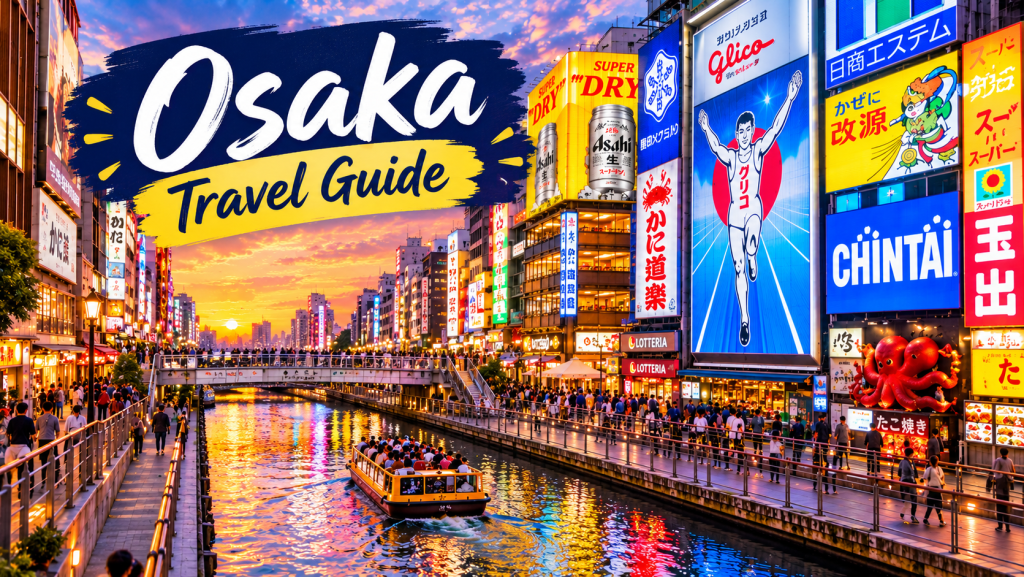
Japan offers a fascinating mix of ancient traditions, modern cities, distinctive food and efficient public transport. While Tokyo often attracts first-time visitors, Osaka provides a different experience.
Known for its lively streets, food culture, shopping districts and welcoming atmosphere, Osaka is an excellent destination for travellers who want to experience Japanese city life without spending their entire holiday in the capital.
The city also makes a convenient base for exploring other parts of the Kansai region, including Kyoto, Nara and Kobe.
For South Africans planning a holiday in Japan, Osaka can be visited on its own or combined with Tokyo and other destinations.
This guide covers what to know before travelling, including visa considerations, when to visit, where to stay, attractions, transport, food and practical budgeting.
If you’re still planning the wider trip, our guide to planning an international trip from South Africa is a useful starting point.
1. Where is Osaka?
Osaka is a major city in Japan’s Kansai region, on the island of Honshu. It is one of Japan’s principal urban centres and is known for commerce, entertainment, shopping and food.
The city has a different character from Tokyo. Tokyo is enormous and highly varied, while Osaka is particularly associated with lively neighbourhoods, casual dining and a relaxed approach to enjoying the city.
Osaka is also well positioned for regional travel. Kyoto’s temples and traditional streets, Nara’s historic sites and Kobe’s waterfront can all be reached by train.
This makes Osaka particularly attractive if you want to explore more than one Japanese destination during a single holiday.
2. Do South Africans need a visa for Osaka?
South African ordinary passport holders generally need a visa to visit Japan for tourism. Osaka follows Japan’s national immigration rules.
The Japanese government’s JAPAN eVISA system allows eligible South African residents to apply online for a single-entry short-term tourism visa, subject to the current eligibility and application requirements.
Before booking non-refundable travel, check the latest information from the Embassy of Japan in South Africa and the Japanese Ministry of Foreign Affairs.
Check carefully:
- Whether your passport and residence circumstances meet the current requirements.
- Which visa application route applies to your trip.
- What supporting documents are required.
- How long processing may take.
- Whether your visa has been issued before departure.
Visa approval is not guaranteed, and an issued visa does not automatically guarantee admission at the border.
Requirements can differ for travellers holding other passports, including people with permanent residence in South Africa. Check the rules that apply to your actual nationality rather than assuming that South African residence determines visa eligibility.
3. How do you get to Osaka from South Africa?
South African travellers will generally need to compare connecting flights from Johannesburg or Cape Town to Japan.
Osaka’s main international airport is Kansai International Airport (KIX), which serves the wider Kansai region. Depending on airline schedules and prices, you may find routes connecting through major hubs in Asia or the Middle East.
Another option is to fly into Tokyo and continue to Osaka by train or domestic flight.
When comparing these options, consider the full journey rather than just the advertised airfare.
Look at:
- Total travel time.
- Number and length of connections.
- Baggage allowances.
- Whether flights are on one ticket or separate bookings.
- Airport transfer costs.
- The cost and time of reaching your accommodation after arrival.
If Osaka is your first stop, flying into Kansai International Airport may be convenient. If you’re combining Osaka with Tokyo, compare the cost of flying into one city and departing from the other.
Our guide to choosing the right flight for an international trip from South Africa explains how to compare routes and avoid overlooking additional costs.
4. When is the best time to visit Osaka?
Osaka can be visited throughout the year, but the seasons influence the weather, crowds and overall experience.
Spring: March to May
Spring is popular because temperatures gradually become milder and cherry blossoms may be in bloom.
Osaka Castle Park is one place where visitors can enjoy seasonal scenery. However, blossom timing changes from year to year, and popular viewing periods can attract large crowds.
Book accommodation well ahead if your travel dates coincide with a major seasonal event.
Summer: June to August
Summer can be hot and humid. June is typically part of Japan’s rainy season, while July and August can bring high temperatures.
Summer may suit travellers interested in festivals, evening activities and longer daylight hours, but plan for heat and allow time to rest indoors.
Autumn: September to November
Autumn generally brings more comfortable conditions as temperatures begin to fall. Seasonal foliage can make parks, gardens and nearby historic destinations particularly appealing.
September can still be hot, and weather conditions vary, so check forecasts close to departure.
Winter: December to February
Winter is generally cool, with occasional colder spells. Osaka is not usually the first choice for a snow holiday, but winter can be attractive for city sightseeing, shopping and food.
The best season depends on your priorities. Spring and autumn are popular for sightseeing, while winter may appeal to travellers seeking a quieter city break.
5. The best things to do in Osaka
Osaka has attractions for history enthusiasts, food lovers, families and shoppers. You don’t need to visit every attraction to enjoy the city; choose a mix of major sights and neighbourhood experiences.
Osaka Castle
Osaka Castle is one of the city’s best-known landmarks.
The castle and surrounding park offer a glimpse into Japan’s history, while the grounds provide space for walking and seasonal scenery.
Allow time to explore the park rather than treating the castle as a quick photo stop. Check current opening hours and admission information before visiting.
Dotonbori
Dotonbori is one of Osaka’s most recognisable entertainment and dining areas.
The district is known for bright signs, restaurants, crowds and the canal running through the neighbourhood. It is especially atmospheric after dark.
Visit to experience the city’s energy, browse food stalls and restaurants, or simply walk along the canal.
It is also a useful area for trying some of Osaka’s famous local dishes.
Shinsekai
Shinsekai has a distinctive atmosphere, with colourful signs, casual restaurants and views of Tsutenkaku Tower.
It is a good place to experience a different side of Osaka’s food and entertainment culture.
The neighbourhood is particularly associated with kushikatsu, a dish of skewered ingredients coated and fried in breadcrumbs.
Umeda Sky Building
The Umeda Sky Building is known for its elevated observatory and city views.
It is worth considering if you enjoy seeing a destination from above. Visibility depends on weather conditions, so check the forecast before deciding when to go.
The surrounding Umeda district is also useful for shopping, restaurants and transport connections.
Kuromon Ichiba Market
Kuromon Ichiba Market is a popular place to explore Japanese food and local produce.
Depending on the stalls operating when you visit, you may find seafood, fruit, prepared dishes and other ingredients.
Prices and portion sizes vary, so check them before ordering. Busy markets can be crowded, especially around meal times.
Universal Studios Japan
Universal Studios Japan is a major attraction for families, film fans and theme-park enthusiasts.
It can take a substantial part of a day, particularly during busy periods. Research ticket options, operating hours and any timed-entry requirements in advance.
If visiting is a priority, build the day around the park rather than trying to fit several other major attractions into the same schedule.
Sumiyoshi Taisha
Sumiyoshi Taisha is a historic Shinto shrine known for its distinctive architecture and peaceful grounds.
It provides a contrast to Osaka’s busy shopping and entertainment districts and can be a worthwhile stop for visitors interested in Japanese culture.
Visitors should be respectful of worshippers and follow posted guidance around religious sites.
For current attraction details and other ideas, consult the official Osaka tourism guide and Japan’s national tourism website.
6. What food should you try in Osaka?
Osaka is famous for its food culture. Trying local dishes can be one of the most memorable parts of a visit.
Takoyaki
Takoyaki are small, round batter-based snacks traditionally made with pieces of octopus. They are cooked in a special mould and commonly served with sauce and toppings.
They are widely associated with Osaka’s street-food culture.
Okonomiyaki
Okonomiyaki is a savoury dish made using a batter and ingredients such as cabbage, with variations depending on the restaurant and style.
It is often topped with sauce and other seasonings. Some restaurants prepare it at the table, making the meal part of the experience.
Kushikatsu
Kushikatsu consists of skewered ingredients that are coated and deep-fried. Options can include vegetables, meat and seafood.
It is particularly associated with the Shinsekai area.
Ramen and udon
Noodle dishes are widely available throughout Osaka. Ramen styles vary by restaurant, while udon generally features thicker wheat noodles.
These can be convenient options for a quick and satisfying meal.
Convenience-store food
Japanese convenience stores are useful for inexpensive snacks, drinks, breakfast items and simple meals.
They can help manage your food budget, particularly when you’re travelling between attractions.
Dietary requirements
If you have allergies or follow a vegetarian, vegan or other restricted diet, research suitable restaurants in advance. Some broths, sauces and prepared foods contain ingredients that may not be obvious from the menu.
A translation app can help, but do not rely on it alone for serious food allergies. Confirm ingredients directly with restaurant staff.
7. Getting around Osaka
Osaka has an extensive public transport network, including the subway, JR rail services and private railway lines.
For many visitors, trains and walking are the easiest ways to get around.
The Osaka Metro
The subway connects many major sightseeing areas and shopping districts.
It is useful for reaching areas such as Namba, Shinsaibashi and Umeda, although the best route depends on your accommodation and destination.
JR trains and private railways
JR services and private railway companies connect Osaka with surrounding cities and attractions.
If you plan to visit Kyoto, Nara or Kobe, compare routes and fares before buying a pass.
IC transport cards
Rechargeable IC cards can make paying for many local train, subway and bus journeys easier. Availability, card types and mobile options can change, so check which options are practical for your phone and travel plans.
Walking
Walking is often the best way to explore individual neighbourhoods, especially shopping streets and entertainment areas.
Wear comfortable shoes and allow more time than a map might suggest. Large stations can involve long corridors, stairs and complicated transfers.
Taxis
Taxis can be useful late at night, with luggage or when travelling as a group. However, they may be considerably more expensive than public transport.
For most city sightseeing, public transport is a sensible starting point.
8. Where should you stay in Osaka?
The best area depends on your budget, preferred atmosphere and travel plans.
Namba
Namba is a strong option for first-time visitors who want easy access to Dotonbori, restaurants, shopping and nightlife.
It is convenient for exploring the southern part of central Osaka and has useful transport connections.
The area can be busy, particularly in the evenings.
Umeda
Umeda is a major commercial and transport district in northern Osaka.
It can be convenient for travellers who expect to make day trips or want access to shopping centres and major rail connections.
Accommodation options range from business hotels to higher-end properties.
Shinsaibashi
Shinsaibashi is popular for shopping and its central location. It can suit visitors who want to spend time browsing shops while remaining within reach of other city attractions.
Tennoji
Tennoji offers another transport-connected base, with access to shopping, parks and nearby attractions.
Depending on the property, it may provide an alternative to some of the busiest central districts.
How to choose accommodation
Before booking, compare:
- Walking distance to a useful station.
- The number of transfers needed for your planned attractions.
- Room size and bed configuration.
- Cancellation terms.
- Whether breakfast is included.
- Luggage storage arrangements.
- Reviews from recent guests.
- The total cost after taxes and fees.
Japanese hotel rooms can be compact, so check room dimensions and bed sizes rather than relying only on photographs.
Our hotel booking guide for South Africans covers the main factors to compare.
9. Can you visit Kyoto, Nara and Kobe from Osaka?
Yes. Osaka is a practical base for exploring the wider Kansai region, and several nearby destinations are suitable for day trips.
Kyoto
Kyoto is known for historic temples, shrines, traditional streets and gardens.
A day trip can provide an introduction to the city, but you may want longer if you prefer a slower pace or wish to visit several districts.
Nara
Nara is known for its historic sites, temples and park where deer roam freely.
It can be a rewarding day trip, particularly for visitors interested in Japanese history and outdoor sightseeing. Remember that deer are wild animals: follow local guidance and treat them respectfully.
Kobe
Kobe offers waterfront areas, shopping, dining and access to mountain scenery.
It can be a good choice if you want a different urban atmosphere without moving hotels.
Should you stay overnight?
A day trip is useful when you want to keep Osaka as your base. Staying overnight can make sense if you want to explore early in the morning, enjoy the evening atmosphere or reduce travel between destinations.
For a multi-destination holiday, our guide to planning a multi-city international trip from South Africa can help you decide how to organise your route.
10. How much does an Osaka trip cost?
The total cost depends on airfare, travel dates, accommodation, dining choices and the number of attractions you visit.
Rather than relying on a single daily budget figure, build a trip estimate using your own preferences.
Include these categories:
- Return or multi-city international flights.
- Visa application costs.
- Accommodation.
- Airport transfers.
- Local transport.
- Meals, snacks and drinks.
- Attraction tickets and experiences.
- Travel insurance.
- Mobile data.
- Shopping and souvenirs.
- An emergency reserve.
Accommodation and flights can have a particularly large effect on the total.
To keep costs manageable, compare accommodation in several neighbourhoods, use public transport, mix restaurant meals with lower-cost food options and decide in advance which paid attractions are worth prioritising.
Convert estimated costs into South African rand and allow a margin for exchange-rate movements and card fees.
Avoid booking a packed itinerary without allowing for transport time, meals and rest.
11. Mobile data and staying connected
A reliable mobile connection helps with navigation, train routes, translation, restaurant searches and booking confirmations.
South African travellers can compare international roaming, local SIM cards and eSIM options.
An eSIM may be convenient if your phone supports it and your device is unlocked. However, not every phone supports eSIM, and plans differ in data allowance, validity, coverage and restrictions.
Check whether your plan includes hotspot use and whether it provides data only or also includes calls and SMS.
Read our guide to choosing the best eSIM for international travel before deciding which option suits your trip.
12. Travel insurance for Japan
Travel insurance is worth considering for a trip to Japan, particularly when you are travelling far from South Africa.
Compare policies carefully rather than choosing solely on price.
Check the limits and exclusions for:
- Emergency medical treatment.
- Hospitalisation and medical evacuation.
- Trip cancellation and interruption.
- Missed connections and travel delays.
- Lost, stolen or delayed baggage.
- Existing medical conditions.
- Activities that you plan to undertake.
Read the policy wording and confirm that your itinerary and planned activities are covered.
For more information, see our guide to travel insurance for South Africans.
13. A practical four-day Osaka itinerary
Four days gives you a reasonable introduction to Osaka, with some flexibility for food, shopping and nearby attractions.
Day 1: Explore central Osaka
- Visit Osaka Castle and its surrounding park.
- Explore Umeda or another central shopping district.
- Enjoy dinner at a local restaurant.
Day 2: Food and entertainment
- Explore Kuromon Ichiba Market.
- Visit Namba and Dotonbori.
- Try takoyaki or okonomiyaki.
- Spend the evening walking through the entertainment district.
Day 3: Choose a major attraction
Spend the day at Universal Studios Japan, or choose a more relaxed combination of Shinsekai, Tsutenkaku and other local sights.
If you visit a theme park, check ticket availability and operating information ahead of time.
Day 4: Take a day trip or explore further
Choose Kyoto, Nara or Kobe according to your interests. Alternatively, remain in Osaka to explore a neighbourhood you have not yet visited.
If you are combining Osaka with Tokyo, consider travelling to Tokyo on the next day rather than trying to fit the train journey into an already busy sightseeing schedule.
14. Practical tips for South African travellers
A little preparation can make the trip easier.
- Check your passport and visa requirements early. Use official Japanese government sources.
- Plan airport transfers. Know which train or other service takes you to your accommodation.
- Carry a payment backup. Check international card fees and keep a safe alternative available.
- Keep some cash available. Card acceptance is widespread in many places, but cash can still be useful.
- Learn a few basic Japanese phrases. Simple greetings and polite expressions are appreciated.
- Check luggage rules. Some trains and accommodation options have restrictions or limited space for large bags.
- Respect local customs. Follow signs at shrines, temples, restaurants and public transport facilities.
- Allow time for transfers. Major stations can be large and busy.
- Check attraction information close to your visit. Opening times, prices and reservation requirements can change.
- Keep important documents accessible. Save copies of your passport, visa, insurance details and booking confirmations securely.
Final thoughts
Osaka is an appealing destination for South Africans who want to experience Japan’s food culture, historic landmarks, shopping and lively city atmosphere.
It can be a rewarding stand-alone city break, but its location also makes it a convenient base for visiting Kyoto, Nara and Kobe.
The key to a successful trip is to plan the practical details early, check the current visa rules, choose accommodation that works with your itinerary and leave enough time to enjoy the city without rushing from one attraction to another.
If you’re planning a longer Japanese holiday, consider combining Osaka with Tokyo. Our Tokyo travel guide for South Africans can help you compare the two destinations and plan a more varied itinerary.
Official travel information
- Embassy of Japan in South Africa — visa information
- Ministry of Foreign Affairs of Japan — visa information
- Japan National Tourism Organization — Osaka
- Official Osaka tourism guide
Travel requirements, prices, transport services and attraction details may change. Confirm current information with the relevant official provider before booking or travelling.