
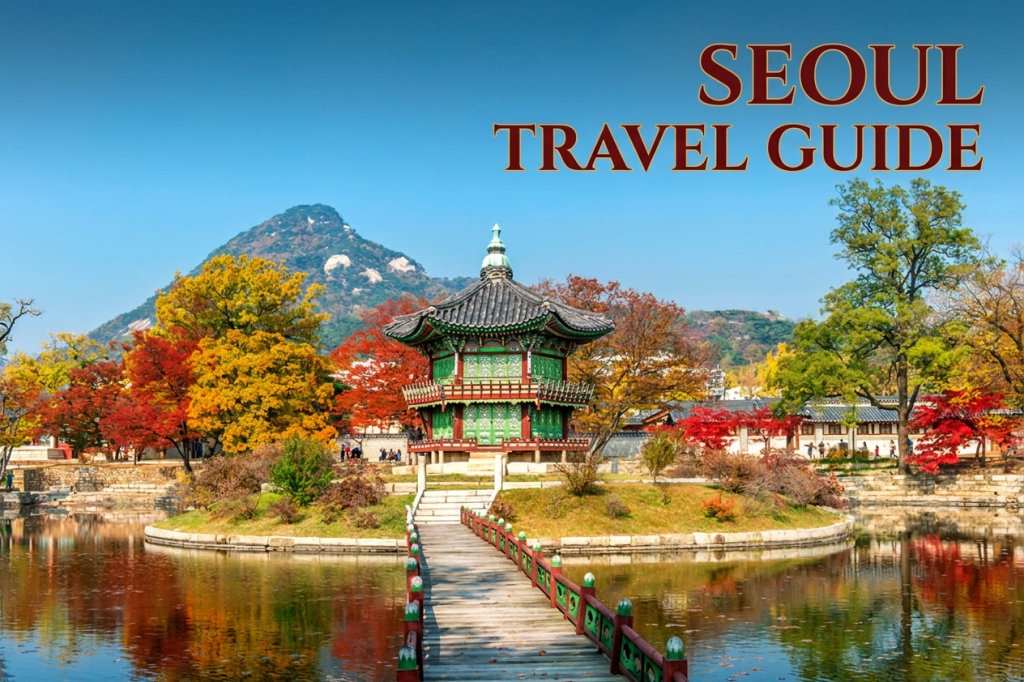
Seoul is a fascinating destination where centuries-old palaces and traditional neighbourhoods sit alongside modern skyscrapers, fashionable shopping districts and some of the world’s most recognisable technology and entertainment brands.
South Korea’s capital has become increasingly popular with international travellers thanks to Korean food, K-pop, Korean dramas, beauty products, shopping and a distinctive culture that combines tradition with modern urban life.
For South Africans considering an international holiday, Seoul offers a different experience from familiar European destinations. Visitors can explore royal palaces, sample authentic Korean cuisine, browse lively markets, discover peaceful temples and experience one of Asia’s most dynamic cities.
But how do you plan a trip to Seoul from South Africa? What should you budget for flights and accommodation? How do you get around the city, and what entry requirements should you check before travelling?
This guide covers the essentials to help you plan your trip. If you are comparing Asian destinations, you may also enjoy Kila’s guides to Singapore and Bangkok.
Why visit Seoul?
Seoul offers a combination of cultural attractions, modern entertainment, shopping, food and outdoor experiences.
Depending on your interests, you could spend your days exploring historic palaces, visiting museums, shopping in fashionable districts or hiking in the mountains surrounding the city.
Some of Seoul’s biggest attractions include:
- Gyeongbokgung Palace: One of the city’s best-known royal palaces.
- Bukchon Hanok Village: A historic neighbourhood featuring traditional Korean houses.
- Myeongdong: A popular shopping district known for fashion, cosmetics and street food.
- Hongdae: An energetic area associated with music, nightlife, independent shops and youth culture.
- N Seoul Tower: A landmark offering panoramic views across the city.
- Gwangjang Market: A traditional market where visitors can explore Korean food and local shopping.
- Insadong: A neighbourhood known for traditional crafts, tea houses and cultural souvenirs.
Seoul can appeal to couples, solo travellers, families, food enthusiasts, shoppers and fans of Korean popular culture.
It is also a useful base for exploring more of South Korea if you have time for a longer holiday.
When is the best time to visit Seoul?
The best time to visit depends on the weather you prefer, your budget and the experiences you want to enjoy.
Spring: March to May
Spring is popular for its milder temperatures and seasonal flowers. Cherry blossoms usually appear during a relatively short period, with timing varying by year and location.
Parks and palace grounds can be particularly attractive during this season.
If cherry blossoms are a priority, check the latest local forecasts before choosing your travel dates. Peak bloom cannot be guaranteed far in advance.
Summer: June to August
Summer can be hot and humid, with a rainy period and the possibility of heavy rainfall.
The weather does not prevent sightseeing, but you may prefer to plan outdoor activities for the morning and spend the hottest part of the day visiting museums, shopping centres or indoor attractions.
Carry an umbrella and check local weather forecasts.
Autumn: September to November
Autumn is often an excellent time for sightseeing. Temperatures generally become more comfortable, and autumn foliage can make parks, palaces and mountain trails especially attractive.
September and October can be appealing months for travellers who prefer cooler conditions than midsummer.
Winter: December to February
Winter can be very cold, with temperatures falling below freezing.
The advantage is that you may experience a different side of the city, with winter scenery, seasonal events and opportunities to enjoy Korean hot-pot dishes and other warming meals.
Warm clothing, gloves and suitable footwear are essential.
Practical tip: Spring and autumn are strong starting points for a first visit, but compare flight and accommodation prices before settling on your dates. Popular blossom periods and public holidays can influence demand.
Flights from South Africa to Seoul
Travelling from South Africa to Seoul generally involves a long-haul journey, often with at least one connection.
Depending on the airline and route, possible connecting hubs may include Doha, Dubai, Singapore or other major international airports. Available routes vary by departure date, airline schedules and ticket conditions.
For travellers departing from Johannesburg, compare itineraries from OR Tambo International Airport. Travellers departing from Cape Town or Durban should compare the cost of connecting flights with the convenience of starting their journey closer to home.
When comparing fares, look beyond the headline price.
Check:
- Total journey time.
- Number and duration of connections.
- Whether baggage is included.
- Whether the itinerary is on one ticket or separate tickets.
- Whether you must collect and recheck baggage.
- Transit visa requirements, where applicable.
- Arrival time in Seoul.
- Cancellation and change conditions.
A cheaper itinerary may not be the best value if it involves an overnight layover, additional accommodation or separate tickets that leave you responsible for missed connections.
Our guide to choosing the right flight for an international trip from South Africa explains how to compare fares, connections, baggage allowances and schedules before booking.
Booking tip: Search for flights before committing to non-refundable accommodation, and confirm that your passport and entry documentation meet the requirements for your itinerary.
Entry requirements for South African travellers
Before booking a trip, confirm the latest entry rules for your passport and intended purpose of travel.
South Korean entry requirements depend on nationality, the reason for the visit, the length of stay and any applicable exemptions or special arrangements.
South African passport holders should verify the current rules for short-term tourism with the official South Korean authorities and the Embassy of the Republic of Korea in South Africa.
Do not rely solely on old travel blogs or third-party visa summaries.
What about the K-ETA?
The Korea Electronic Travel Authorisation, commonly known as K-ETA, is an electronic travel authorisation used by certain visa-exempt travellers.
South Korea has announced a temporary K-ETA exemption for eligible nationalities through 31 December 2026. Eligibility depends on the passport and applicable rules, so South African travellers should confirm their position using the official K-ETA website before departure.
An exemption from K-ETA does not automatically mean that every traveller is exempt from a visa. These are separate requirements.
If a visa is required, follow the instructions issued by the Korean Embassy and the official Korea Visa Portal. Application requirements and processing times may vary.
Entry checklist
Before travelling, confirm:
- Your passport meets the applicable validity requirements.
- You meet the visa or visa-exemption requirements.
- You know whether K-ETA applies to your circumstances.
- You have any required arrival documentation.
- Your return or onward travel arrangements meet the entry conditions.
- Your accommodation details are available.
- You have suitable travel insurance.
- You understand any requirements that apply to transit countries on your route.
Check official sources close to your departure date, particularly if your trip falls after the end of 2026.
Where should you stay in Seoul?
Seoul is a large city, and choosing the right neighbourhood can make your trip considerably easier.
Rather than selecting accommodation solely by price, consider the attractions you want to visit and how close you will be to public transport.
Myeongdong
Myeongdong is a convenient option for first-time visitors who enjoy shopping, restaurants and easy access to central sightseeing areas.
The area has a wide range of accommodation, although prices can rise during busy periods.
It is particularly useful if you want to spend time exploring shops, trying street food and visiting nearby attractions.
Hongdae
Hongdae is associated with music, cafés, nightlife, independent shops and a lively atmosphere.
It may suit younger travellers, couples and visitors who enjoy entertainment after a day of sightseeing.
However, the atmosphere can be noisy in some locations, so check reviews if you prefer a quiet room.
Insadong and Jongno
These areas can be good choices for travellers interested in traditional culture, historic streets and palace visits.
They provide access to cultural attractions and traditional tea houses while still offering transport connections to other parts of the city.
Gangnam
Gangnam is known for modern shopping, restaurants, business districts and upscale accommodation.
It may appeal to travellers interested in contemporary Seoul, but check journey times to the attractions on your itinerary before booking.
How to choose accommodation
Compare hotels, guesthouses and serviced apartments according to:
- Total cost, including taxes and fees.
- Distance to the nearest suitable station.
- Room size and luggage space.
- Guest reviews.
- Cancellation conditions.
- Breakfast availability.
- Laundry facilities for longer stays.
- Late check-in arrangements.
- Accessibility requirements.
A hotel that costs slightly more but saves time and transport expenses may offer better overall value.
For a first visit, accommodation near a well-connected subway station is often a sensible choice. Kila’s hotel booking guide for South Africans can help you compare location, facilities, cancellation policies and the total cost before making a reservation.
Getting around Seoul
Seoul has an extensive public transport network, making it possible to explore much of the city without hiring a car.
The subway
The subway is one of the most practical ways to travel between major neighbourhoods and attractions.
Stations and routes are generally well signposted, and digital mapping tools can help you plan journeys.
Before travelling, check the current fare system and whether a rechargeable transport card or another ticket option is most suitable for your itinerary.
Buses
Buses extend the public transport network beyond subway stations.
They can be useful for destinations that are not directly connected to the subway, although understanding the routes may take a little practice.
Use a reliable map application and check the destination and route before boarding.
Taxis
Taxis can be useful when travelling with luggage, returning to your hotel late or visiting places that are less convenient by public transport.
Confirm how fares are calculated and check the payment options available. Keep your destination written in Korean or saved on your phone if you are concerned about communication.
Airport transfers
Plan your transfer from Incheon International Airport before arrival.
Depending on your destination and budget, options may include airport rail services, buses, taxis or pre-booked transfers.
Compare the total journey time, luggage convenience and final distance to your accommodation.
Practical tip: Save your hotel address in Korean on your phone. This can make it easier to communicate with drivers and ask for directions.
What should you eat in Seoul?
Food is one of the highlights of visiting South Korea.
Seoul offers everything from inexpensive market snacks to modern cafés and high-end restaurants.
Some dishes worth looking for include:
- Bibimbap: Rice served with vegetables and other toppings, often accompanied by a spicy sauce.
- Bulgogi: Thinly sliced marinated beef that is typically grilled or cooked in a pan.
- Kimchi: Fermented vegetables, commonly cabbage or radish, seasoned with spices.
- Korean barbecue: A meal in which meat is cooked on a grill, often at the table.
- Tteokbokki: Chewy rice cakes commonly served in a spicy sauce.
- Japchae: Glass noodles prepared with vegetables and other ingredients.
- Korean fried chicken: Fried chicken served with a variety of seasonings and sauces.
- Hotteok: A sweet filled pancake often sold as a snack.
Traditional markets can be excellent places to explore several local dishes in one visit.
However, check menus and ingredients if you have food allergies, dietary restrictions or religious dietary requirements. Some dishes contain meat, seafood, fermented ingredients or sauces that may not be immediately obvious.
Is Seoul expensive for food?
Costs vary considerably.
Street food, casual eateries and local restaurants can be more affordable than international restaurants or upscale dining establishments.
Coffee shops and trendy cafés can also become a significant expense if you visit several every day.
To manage your budget, combine inexpensive local meals with a few special dining experiences rather than eating exclusively at tourist-oriented restaurants.
The best things to do in Seoul
Seoul has enough attractions to fill several days, so it helps to group activities by neighbourhood.
Visit Gyeongbokgung Palace
Gyeongbokgung is one of Seoul’s most recognisable historical landmarks.
Visitors can explore palace grounds and learn about Korea’s royal history. Check opening days, ticket details and any seasonal arrangements before visiting.
Allow time to explore the surrounding area rather than rushing straight to the next attraction.
Explore Bukchon Hanok Village
Bukchon is known for its traditional Korean houses and historic streets.
It offers a contrast to Seoul’s modern skyline and can be a rewarding place to walk, take photographs and discover the architecture.
Remember that it is also a residential neighbourhood. Respect local privacy, follow posted visitor rules and keep noise to a minimum.
Shop in Myeongdong
Myeongdong is popular for cosmetics, skincare products, fashion and street food.
It can be particularly interesting for visitors who follow Korean beauty trends.
Compare prices before buying branded products, and check refund conditions if you plan to use tourist tax-refund arrangements.
Discover Hongdae
Hongdae is a good place to experience a more contemporary side of Seoul.
Explore independent shops, cafés, music venues and street performances when available.
The area is especially lively in the evenings, but individual venues have their own age restrictions and operating hours.
Visit N Seoul Tower
N Seoul Tower offers expansive views over the city.
Visibility can vary according to weather and air quality, so check conditions if the view is a priority.
Consider visiting around sunset if you want to experience the city transitioning from daylight to its illuminated evening skyline.
Explore Gwangjang Market
Gwangjang Market is a well-known destination for traditional market food and shopping.
It is a useful place to sample different dishes and experience a busy local market environment.
Go with an open mind, compare stalls and check prices before ordering if menus are unfamiliar.
Take a walk along the Han River
The Han River and its surrounding parks provide space to relax away from the busiest shopping streets.
Depending on the season, you may find walking and cycling routes, picnic areas and seasonal activities.
Check local conditions and opening information before planning a specific activity.
Discover Seoul’s cafés and Korean culture
Seoul has an extensive café scene, including themed cafés, independent coffee shops and stylish dessert destinations.
Fans of Korean entertainment may also enjoy exploring neighbourhoods associated with music, fashion and popular culture.
If you want to visit a specific concert, exhibition or entertainment venue, confirm dates and ticket availability before building it into your itinerary.
How much does a trip to Seoul cost?
Your overall budget depends on the season, flight prices, accommodation standards, exchange rates and how many attractions you plan to visit.
It is better to build a budget from current prices than to rely on a single estimated daily figure.
Your main expenses will usually include:
| Expense | What to consider |
|---|---|
| Return flights | Compare dates, airlines, baggage and connections |
| Accommodation | Location, room type, season and cancellation terms |
| Food | Street food, casual restaurants, cafés and special meals |
| Transport | Airport transfers, subway, buses and taxis |
| Attractions | Admission fees, tours, performances and experiences |
| Shopping | Cosmetics, fashion, gifts and souvenirs |
| Travel insurance | Medical cover, cancellations, baggage and other benefits |
| Mobile connectivity | Roaming, eSIMs or a local SIM option |
| Emergency funds | Unexpected expenses and changes to plans |
How to make your budget go further
Book flights strategically. Compare nearby dates and alternative connecting routes.
Choose accommodation carefully. Staying near public transport can reduce both travel time and the need for taxis.
Use public transport. It is often a practical option for reaching major attractions.
Mix dining options. Enjoy local eateries and markets alongside selected restaurant experiences.
Plan shopping expenses. Seoul offers many tempting purchases, particularly in cosmetics and fashion. Set a budget before you arrive.
Check attraction costs in advance. Some experiences are free, while others require tickets or advance reservations.
Compare currency conversion costs. Review your bank’s foreign transaction fees and the charges associated with any card or cash withdrawals.
For an accurate estimate, price your actual flights and accommodation first, then add a daily allowance for food, transport and activities.
Practical tips for South African visitors
A little preparation can make your stay considerably easier.
Check your mobile connectivity
Arrange roaming, an eSIM or another suitable mobile option before travelling.
Mobile data is useful for maps, translation, transport planning, bookings and communication.
Check that your phone supports the option you choose and whether your device is network-unlocked where necessary.
Kila’s guides to choosing an eSIM for international travel and understanding how eSIMs work when travelling overseas can help you compare connectivity options before leaving South Africa.
Download useful travel tools
Before departure, consider installing mapping, translation and transport applications.
Download any essential information you may need offline, including hotel details, booking confirmations and important contact information.
Do not assume that every application you use in South Africa will work in exactly the same way in South Korea.
Prepare for language differences
English is used in many tourist-facing businesses, but it is not guaranteed everywhere.
Learning a few Korean greetings and keeping addresses written in Korean can be helpful.
A translation application can also make restaurant ordering and everyday communication easier.
Understand local etiquette
South Korea has social customs that may differ from those in South Africa.
Be respectful in temples and traditional sites, follow instructions at attractions, and pay attention to local expectations around public behaviour.
At restaurants, follow the establishment’s usual seating and ordering arrangements rather than assuming that every venue operates the same way.
Consider travel insurance
International travel can involve substantial expenses if a medical emergency, cancellation or other unexpected event occurs.
Compare travel insurance policies carefully, including medical limits, exclusions, excesses, pre-existing-condition provisions and cover for planned activities.
Check that your policy covers the entire trip, including any stopovers where relevant.
Before purchasing cover, read Kila’s guide to travel insurance for South Africans for a checklist of important policy details.
Keep important documents accessible
Keep digital copies of your passport, bookings, insurance details and emergency contacts in a secure location.
Maintain access to your original travel documents and do not rely solely on a phone that may lose power or connectivity.
A suggested five-day Seoul itinerary
If this is your first visit, five days provides a useful starting point for exploring the city without trying to fit everything into one trip.
Day 1: Arrival and Myeongdong
Check in, settle into your accommodation and explore the neighbourhood around your hotel. Enjoy an easy dinner and avoid overplanning after a long journey.
Day 2: Royal history and traditional Seoul
Visit Gyeongbokgung Palace and explore nearby cultural areas. If time permits, continue to Insadong for traditional crafts, tea houses and souvenirs.
Day 3: Shopping and contemporary culture
Spend time in Myeongdong or another shopping district, then explore Hongdae for cafés, independent shops and entertainment.
Day 4: City views and local food
Visit N Seoul Tower if weather conditions are suitable. Explore a traditional market such as Gwangjang Market and try a few Korean dishes.
Day 5: Flexible exploration
Use your final day for a Han River walk, a museum, additional shopping or a guided experience that matches your interests.
This is a flexible framework rather than a fixed schedule. Check opening hours, transport connections, weather and ticket requirements before finalising your plans.
Is Seoul worth visiting from South Africa?
Seoul can be an excellent choice for South Africans seeking a holiday that combines culture, food, shopping, technology and modern city life.
The long journey means that it is worth planning enough time to enjoy the destination rather than spending most of your holiday in transit.
For a first visit, consider staying for at least five days if your budget and schedule allow. A longer trip gives you more flexibility to explore different neighbourhoods and take day trips beyond the capital.
The key is to plan around your interests. Fans of Korean entertainment may prioritise shopping and cultural experiences, while history enthusiasts may prefer palaces, museums and traditional neighbourhoods.
With suitable preparation, Seoul can offer a memorable and distinctive international holiday.
Final thoughts
Planning a trip to Seoul from South Africa involves more than finding a good flight deal.
You will need to consider entry requirements, accommodation, transport, food, seasonal weather and the experiences that matter most to you.
Start by confirming the latest official travel requirements and comparing flights. Then choose accommodation near convenient transport connections, create a realistic budget and group attractions by neighbourhood.
Seoul rewards travellers who balance its modern attractions with opportunities to experience Korean history, food and everyday culture.
Whether you want to explore royal palaces, sample Korean street food, shop for skincare products or discover the places that have inspired your favourite Korean entertainment, the city offers plenty of reasons to make it your next international destination.
If you are still planning the practical details of your holiday, Kila’s international trip planning checklist is another useful starting point.
Official sources and useful links
- Korea Visa Portal: https://www.visa.go.kr/
- K-ETA official website: https://www.k-eta.go.kr/
- Embassy of the Republic of Korea in South Africa: https://overseas.mofa.go.kr/za-en/index.do
- VisitKorea — official Korean tourism information: https://english.visitkorea.or.kr/
- Visit Seoul — official Seoul tourism guide: https://english.visitseoul.net/
Entry requirements, transport fares, opening hours and ticket prices can change. Readers should confirm current details with the relevant official source before travelling.