
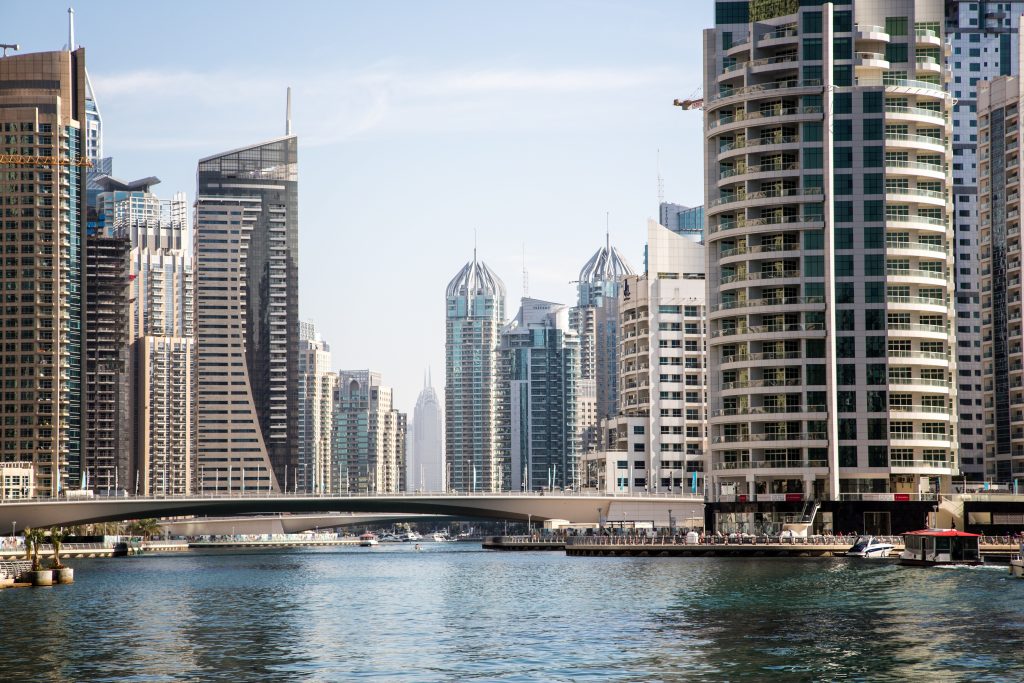
Dubai is one of those travel destinations that can feel familiar and completely different at the same time.
It has enormous shopping malls, beaches, modern hotels, international restaurants and an impressive skyline, but it also has traditional markets, historic neighbourhoods, desert landscapes and a strong connection to Emirati and Islamic culture.
For South Africans, Dubai is also a relatively accessible international destination, with direct services from Johannesburg, Cape Town and Durban offered by Emirates.
That makes it an interesting option whether you’re planning a short city break, a shopping trip, a family holiday or a longer Middle East itinerary.
But Dubai isn’t simply a destination where you arrive at the airport and start exploring.
There are some important things to understand before you leave South Africa, particularly regarding visas, passports, accommodation, weather, transport and local customs.
How to Plan an International Trip from South Africa
This guide takes you through the most important considerations.
Why Visit Dubai?
Dubai offers an unusual combination of experiences.
In a single trip you can:
- Visit one of the world’s most recognisable skyscrapers
- Spend time on a beach
- Explore traditional souks
- Shop in enormous malls
- Visit museums
- Explore historic neighbourhoods
- Experience the desert
- Eat food from around the world
- Take in spectacular modern architecture
- Use an extensive public transport network
The official Dubai tourism authority currently highlights attractions, neighbourhoods, culture, food, shopping, experiences and itineraries as major parts of the destination.
This variety is one reason Dubai works particularly well for a first international trip or a stopover combined with another destination.
Visa Requirements for South African Travellers
This is one of the most important things to investigate before booking your trip.
South African ordinary passport holders require a visa to enter the UAE.
The UAE government’s current visa information lists South Africa as not eligible for visa-free entry or visa on arrival on its current nationality table.
The UAE government explains that tourist visas are available for travellers who aren’t eligible for visa-free entry or visa on arrival. Applications can be arranged through qualifying UAE-based airlines, hotels or licensed travel agents, depending on the circumstances.
Don’t leave this until the last minute
Visa requirements and procedures can change.
Before travelling, check the current requirements through an official UAE source or your airline.
The official UAE government also says passports should be valid for at least six months from the date of entry.
How to Get to Dubai From South Africa
Dubai is well connected to South Africa.
Emirates currently lists daily services from:
- Johannesburg
- Cape Town
- Durban
to Dubai, giving travellers in all three major South African cities a direct-flight option.
Other airlines can also provide routes involving connections.
When comparing flights, don’t automatically choose the lowest advertised fare.
Look at:
- Departure airport
- Number of stops
- Total travel time
- Baggage allowance
- Departure time
- Arrival time
- Connection length
- Change and cancellation conditions
- Total price
Johannesburg, Cape Town or Durban?
Your departure city can make a significant difference to your flight options.
Johannesburg
O.R. Tambo International Airport provides particularly strong international connectivity and direct Emirates services to Dubai.
Cape Town
Cape Town International also has direct Emirates services to Dubai.
Durban
King Shaka International provides another direct Emirates option.
Schedules and fares change, so compare the options for your actual travel dates rather than assuming one departure city will always be cheapest.
When Is the Best Time to Visit Dubai?
Dubai is warm for much of the year, but the experience varies considerably by season.
The official tourism authority describes Dubai as having a hot climate, with cooler winter conditions and considerably hotter summer temperatures.
For many South African travellers, the cooler months are particularly attractive because they make it more comfortable to explore outdoor attractions.
November to March
This is generally the most appealing period if you want to spend considerable time outdoors.
Expect:
- More comfortable daytime temperatures
- Better conditions for sightseeing
- Pleasant beach weather
- More comfortable desert excursions
- Greater demand for accommodation
The downside is that this is also a popular tourism period.
April to May
Temperatures begin increasing, but the period can still work well for travellers who don’t mind warmer conditions.
Hotel prices and availability can vary considerably depending on dates and events.
June to September
Summer can be extremely hot.
That doesn’t mean Dubai shuts down.
The city is designed around air-conditioned indoor spaces, and many attractions remain enjoyable during the hottest months.
However, outdoor sightseeing can become considerably more demanding.
If you travel during summer, plan your outdoor activities around the cooler parts of the day and make good use of indoor attractions.
October
October can be an attractive compromise as temperatures begin becoming more manageable.
As always, check the actual forecast before travelling.
What About Ramadan?
If your trip falls during Ramadan, don’t automatically assume that you should avoid Dubai.
Ramadan is an important period in the Islamic calendar and can provide visitors with an opportunity to experience an important part of local culture.
The official Dubai tourism authority publishes specific guidance for visitors during Ramadan, including information about customs and experiences.
However, opening hours and routines can differ during Ramadan.
Check current information closer to your travel dates.
I personally experienced travelling to Istanbul during Ramadan and apart from a few small inconveniences, it was amazing.
How Much Does a Dubai Holiday Cost?
One of the common misconceptions about Dubai is that it must automatically be extremely expensive.
It certainly can be expensive.
Luxury hotels, fine dining, premium attractions and shopping can produce a very large bill.
But Dubai also has accommodation, restaurants, attractions and activities across a much wider range of budgets. The official 2026 Dubai city guide specifically notes that the destination caters to different budgets and includes free parks and beaches.
Your biggest expenses will typically include:
- International flights
- Accommodation
- Food
- Local transport
- Attractions
- Shopping
- Travel insurance
- Visa costs
Don’t Forget the Exchange Rate
Dubai uses the United Arab Emirates dirham (AED).
When planning your South African budget, don’t simply convert your entire holiday budget once and forget about exchange rates.
Currency values change.
Instead, establish a rough daily budget in rand and check the current exchange rate closer to departure.
The official Dubai tourism authority provides current currency information for visitors.
Where Should South Africans Stay in Dubai?
Dubai is spread across a large area, so choosing the right neighbourhood can make a significant difference to your holiday.
Rather than simply choosing the cheapest hotel, consider where you intend to spend most of your time.
Downtown Dubai
Downtown is one of the best-known parts of modern Dubai.
It is home to major attractions including the Burj Khalifa and Dubai Mall.
The official tourism authority describes Downtown as a district of iconic landmarks, shopping and promenades.
Good for:
- First-time visitors
- Major attractions
- Shopping
- Restaurants
- Modern Dubai
Dubai Marina
Dubai Marina provides a very different atmosphere.
The area is known for its waterfront, high-rise buildings, restaurants and leisure activities.
Good for:
- Waterfront accommodation
- Restaurants
- Evening walks
- Modern city atmosphere
- Visitors who enjoy being near the coast
Jumeirah
Jumeirah combines beaches, restaurants and shopping with some of Dubai’s best-known coastal scenery.
Good for:
- Beach holidays
- Families
- Relaxation
- Restaurants
- Coastal accommodation
Deira
If you want to experience a different side of Dubai, consider Deira.
The area has a long history and is known for traditional souks and heritage.
Good for:
- Traditional markets
- Older Dubai
- Cultural experiences
- Budget-conscious travellers
Bur Dubai
Bur Dubai is another area worth considering if you’re interested in the city’s history.
It contains historic areas, traditional souks and a strong connection to Dubai’s earlier development.
Getting Around Dubai
You don’t necessarily need to rent a car.
Dubai has several transport options, including:
- Metro
- Tram
- Bus
- Taxis
- Water transport
The metro connects many important parts of the city and can be particularly useful for visitors.
A Nol card can be used for public transport.
Taxis are another practical option, particularly when travelling with luggage or when public transport doesn’t take you close enough to your destination.
Dubai Metro
For many visitors, the Metro is one of the easiest ways to get around.
It’s particularly useful for connecting areas containing major attractions and shopping destinations.
Before choosing accommodation, look at its distance from a Metro station.
A hotel that is slightly cheaper but far from useful transport connections may not actually save you money or time.
Should You Rent a Car?
For a first Dubai visit, I wouldn’t consider a rental car essential.
The combination of Metro, taxis and other public transport can make it possible to explore many parts of the city without driving yourself.
A rental vehicle may make more sense if you intend to spend considerable time outside central Dubai or explore areas where public transport is less convenient.
Top Things to Do in Dubai
Dubai has far more attractions than you can realistically cover during one short holiday.
Here are some of the highlights.
1. Burj Khalifa
The Burj Khalifa is probably the most recognisable symbol of modern Dubai.
At 828 metres, it is the world’s tallest building and one of the city’s major attractions.
Visitors can access observation areas offering spectacular views over Dubai.
If you intend to visit, investigate tickets and availability before travelling.
2. Dubai Mall
Dubai Mall is much more than a conventional shopping centre.
It combines shopping, entertainment and attractions and is one of the major destinations in Downtown Dubai.
Even if you’re not particularly interested in shopping, it’s worth seeing simply because of its scale.
3. Palm Jumeirah
Palm Jumeirah is one of Dubai’s most recognisable developments.
The man-made island contains hotels, restaurants, attractions and beaches.
You don’t necessarily need to stay there to experience it.
4. Dubai Creek
For a contrast with the modern skyline, visit Dubai Creek.
Traditional abra boats still operate across the creek, providing an inexpensive way to experience part of historic Dubai. The official Dubai tourism guide currently lists creek crossings among the city’s cultural experiences.
5. Deira’s Souks
The traditional markets of Deira provide a very different experience from Dubai’s enormous modern malls.
You can explore markets associated with:
- Gold
- Spices
- Textiles
- Traditional products
- Souvenirs
Deira’s heritage and souks remain an important part of the city’s character.
6. Bur Dubai and Al Fahidi
For visitors interested in Dubai’s history, Bur Dubai and the Al Fahidi Historical District are worth exploring.
This is where you can get a better sense of what Dubai was like before its modern skyline transformed the city.
7. Dubai Frame
The Dubai Frame provides a distinctive perspective on the contrast between old and new Dubai.
It’s particularly interesting if you’re already exploring Zabeel Park and nearby areas.
8. Beaches
Dubai has numerous beaches, both public and associated with hotels and resorts.
If you want to include beach time in your holiday, research access arrangements before travelling because facilities and rules differ between locations.
9. Desert Experiences
The desert surrounding Dubai offers a completely different environment from the city.
Potential experiences include:
- Desert scenery
- Cultural experiences
- Traditional meals
- Wildlife and conservation experiences
- Stargazing
When choosing an excursion, use a reputable operator and check exactly what is included.
10. Museums and Culture
Dubai isn’t only skyscrapers and shopping.
The city has museums, galleries and cultural attractions covering both the UAE’s history and its modern development.
The official tourism authority’s current cultural listings include museums, art centres and heritage experiences.
The Museum of the Future is another prominent modern attraction, while Dubai’s historic districts provide a very different perspective.
What to Eat in Dubai
Dubai’s food scene reflects its extraordinarily international population.
You’ll find restaurants serving food from many parts of the world alongside Emirati and broader Middle Eastern cuisine.
The official tourism authority highlights everything from local institutions and Emirati food to international dining experiences.
For a first visit, consider trying some local or regional dishes rather than eating only familiar international food.
Shopping in Dubai
Shopping is an obvious attraction for many visitors.
You can choose between enormous modern malls and traditional markets.
Modern shopping
Dubai Mall and other major shopping destinations offer international brands and entertainment.
Traditional shopping
Souks in Deira and Bur Dubai offer a very different experience.
If you’re buying expensive products, particularly jewellery or branded goods, compare prices and check exactly what you’re purchasing.
What to Look for When Buying Fashion Accessories Online
What Should You Wear in Dubai?
Dubai is a cosmopolitan city, but visitors should still be conscious of local customs.
The official tourism guidance says general clothing is widely accepted, while recommending more conservative dress when visiting historical, cultural and religious sites. Swimwear is appropriate at beaches and pools but not in places such as shopping malls and business districts.
A practical approach is to pack:
- Comfortable lightweight clothing
- Beachwear
- Comfortable walking shoes
- A light layer for heavily air-conditioned buildings
- More conservative clothing for cultural and religious sites
You don’t need an entirely separate wardrobe.
Just plan for the different environments you’ll encounter.
Respect Local Customs
Dubai is used to international visitors, but it remains important to respect local laws and customs.
Visitors should:
- Behave respectfully in public
- Follow signs and instructions
- Dress appropriately for the location
- Be particularly respectful at religious and cultural sites
- Avoid disruptive behaviour
- Follow photography restrictions where displayed
The official Dubai tourism guidance provides practical information on etiquette and local customs.
Staying Connected
Before leaving South Africa, decide how you’ll handle mobile connectivity.
Options can include:
- Your South African provider’s roaming
- A travel eSIM
- A local SIM
- Hotel and public Wi-Fi
If your phone supports eSIM, this can be a convenient option for some travellers.
How to Choose the Best eSIM for International Travel: A South African Traveller’s Guide
However, don’t automatically buy an eSIM simply because it is advertised as the cheapest option.
Compare:
- Data allowance
- Validity period
- Supported networks
- Coverage
- Activation process
- Whether your phone is unlocked
Travel Insurance
Travel insurance is worth considering for an international holiday.
Depending on the policy, cover may include areas such as:
- Medical expenses
- Trip cancellation
- Lost or delayed baggage
- Travel delays
- Emergency assistance
The important point is to read the policy rather than assuming everything is covered.
Travel Insurance for South Africans: What to Check Before You Buy
How Long Should You Spend in Dubai?
For a first visit, four to seven days can work well.
3 days
Enough for a taste of Dubai’s major attractions, but you’ll need to prioritise.
4–5 days
A good option for a first visit.
You can combine modern attractions, shopping, historic Dubai and some relaxation.
7 days
Allows considerably more flexibility.
You can explore at a slower pace and add beaches, museums, desert experiences and additional neighbourhoods.
A Sample 5-Day Dubai Itinerary
Here’s one way to structure a first visit.
Day 1 — Downtown Dubai
Explore:
- Downtown
- Burj Khalifa
- Dubai Mall
- Surrounding attractions
Allow plenty of time rather than trying to see everything in one afternoon.
Day 2 — Old Dubai
Explore:
- Bur Dubai
- Al Fahidi
- Dubai Creek
- Deira
- Traditional souks
This gives you a completely different view of the city.
Day 3 — Palm Jumeirah and the Coast
Explore:
- Palm Jumeirah
- Jumeirah
- Beach areas
- Waterfront attractions
Day 4 — Culture and Shopping
Consider:
- Museum or cultural attraction
- Dubai Mall or another shopping destination
- An evening exploring the city
Day 5 — Desert or Flexible Day
Reserve the final day for:
- A desert experience
- A beach day
- Additional shopping
- An attraction you missed
- Simply relaxing
This flexible approach is better than packing every hour with activities.
How to Save Money in Dubai
Dubai doesn’t have to be an ultra-luxury holiday.
Some practical ways to control costs include:
Choose accommodation carefully
Staying slightly outside the most expensive central areas can reduce accommodation costs.
Use public transport
Metro and other public transport can reduce your reliance on taxis.
Mix expensive and inexpensive activities
You don’t need to pay for an attraction every day.
Dubai has free beaches, parks and other public spaces.
Compare flights
Don’t automatically book the first fare you find.
Book popular attractions in advance
Some attractions can become expensive or unavailable close to the date.
Set a shopping budget
Dubai makes it remarkably easy to spend money.
What to Pack for Dubai
A practical packing list might include:
- Passport
- Visa documentation
- Travel insurance information
- Flight details
- Hotel confirmation
- Lightweight clothing
- Comfortable walking shoes
- Sun protection
- Swimwear
- More conservative clothing for cultural sites
- Phone charger
- Travel adaptor if required
- Prescription medication and relevant documentation
- Bank cards
- Some emergency cash
Dubai’s official travel guidance recommends planning around the weather and local customs when deciding what to pack.
Don’t Forget Your Passport
Before leaving South Africa, check your passport carefully.
The UAE government currently requires passports to be valid for at least six months from entry.
Don’t assume that because your passport is valid for the duration of your holiday, it automatically satisfies the destination’s entry requirements.
Is Dubai Suitable for Families?
Yes.
Dubai offers a large range of attractions suitable for families, including beaches, entertainment, shopping, museums and other experiences.
The city also has extensive infrastructure designed around tourism.
Families should nevertheless plan realistically.
Dubai is large, and travelling between attractions can take longer than expected.
Choosing accommodation close to the attractions you most want to visit can make a significant difference.
Is Dubai Suitable for a Short Trip?
Absolutely.
One of Dubai’s advantages is that you can experience a lot in a relatively short period.
It can work particularly well as:
- A long weekend
- A four-day break
- A five-day holiday
- A stopover
- Part of a longer international itinerary
However, don’t try to see the entire city in three days.
Choose a few priorities and enjoy them properly.
Important Things to Check Before Booking
Before committing to your Dubai holiday, check:
- Passport validity
- UAE visa requirements
- Flight times
- Baggage allowance
- Accommodation location
- Hotel cancellation policy
- Travel insurance
- Transport options
- Attraction opening hours
- Weather
- Local customs
- Mobile connectivity
- Currency and payment arrangements
- Any current travel advisories
Visa and entry requirements should always be checked again shortly before departure because they can change. The UAE government itself advises travellers to check current visa requirements and notes that eligibility lists can change.
10 Things South African Travellers Should Check Before Booking an International Trip
Dubai Travel Tips for South Africans
A few final tips can make your trip considerably easier.
1. Don’t underestimate the size of Dubai
Travel between neighbourhoods can take time.
2. Choose your hotel based on location
A cheaper hotel isn’t necessarily better value if it adds substantial travel time.
3. Don’t plan every minute
Leave some flexibility.
4. Drink plenty of water
The climate can be hot, particularly outside the cooler months.
5. Wear comfortable shoes
You’ll probably walk considerably more than you expect.
6. Keep copies of important documents
Store copies securely so you can access them if needed.
7. Check attraction requirements
Some attractions require advance booking.
8. Respect local customs
A little cultural awareness goes a long way.
9. Compare total holiday costs
Look beyond the flight price.
10. Check everything again before departure
Visa, passport, flights and other travel requirements can change.
Final Thoughts
Dubai is an interesting destination for South Africans because it combines excellent international connectivity with an enormous variety of things to see and do.
You can spend one day surrounded by some of the world’s most impressive modern architecture and the next exploring traditional markets beside Dubai Creek.
You can shop in enormous malls, relax on a beach, explore museums, experience the desert or simply enjoy the city’s restaurants and atmosphere.
But good planning is important.
Get your visa sorted before travelling, make sure your passport meets the UAE’s requirements, choose accommodation based on location, consider the weather and learn a little about local customs.
And don’t assume that a Dubai holiday has to mean spending huge amounts of money.
There are options for different budgets, and careful planning can make a significant difference.
For South Africans considering their next international holiday, Dubai deserves a place on the shortlist.