
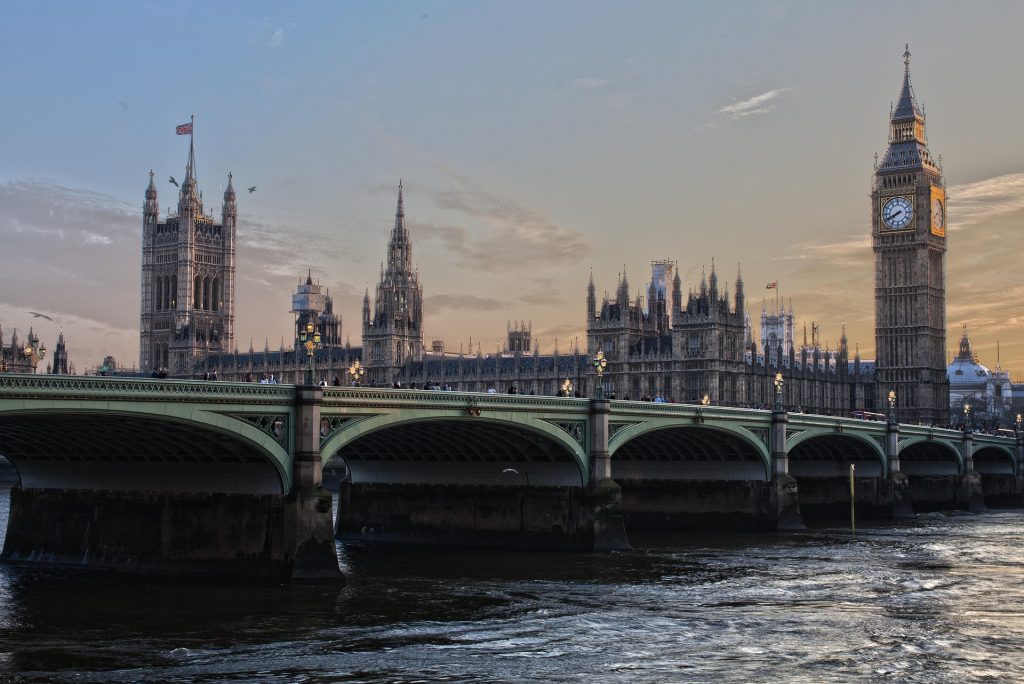
London is one of the world’s great cities and remains a popular destination for South African travellers. It combines centuries of history with museums, royal landmarks, shopping, theatre, restaurants, parks and an excellent public transport system.
For a South African visitor, however, London requires more planning than a short regional holiday. The UK visa, relatively high accommodation costs, long flight and the strength of the pound against the rand all need to be considered before booking.
The good news is that London can be enjoyed at almost any budget. Many of the city’s best museums, parks and public spaces are free, while the extensive transport network makes it possible to stay outside the most expensive central areas.
This guide covers what South Africans should know before planning a London trip.
How to Plan an International Trip from South Africa
Do South Africans need a visa for London?
Yes. South African passport holders generally need a UK Standard Visitor visa for tourism.
The UK government’s current visitor rules state that visa nationals must obtain entry clearance before travelling to the UK. A Standard Visitor visa normally permits a stay of up to six months, subject to the conditions of the visa.
The current UK government information lists the Standard Visitor visa fee at £135.
Do not leave your visa application until the last minute. You should allow sufficient time for the application process and make sure that the information and supporting documentation demonstrate the purpose of your trip and your circumstances.
Before booking a non-refundable trip, check the latest requirements directly with the UK government because immigration requirements and fees can change.
Flights from South Africa to London
London is one of the easier European destinations to reach from South Africa.
From Johannesburg’s OR Tambo International Airport, British Airways and Virgin Atlantic currently operate nonstop flights to London Heathrow. The nonstop journey is approximately 11 hours and 15 minutes.
Travellers from Cape Town also have direct-flight options at various times, while connecting flights provide additional choices through other European and Middle Eastern hubs.
Direct or connecting flight?
For a first trip to London, a direct flight is attractive because it removes the inconvenience of changing aircraft and airports.
However, a connecting flight can sometimes be substantially cheaper.
When comparing flights, don’t look only at the advertised ticket price. Check:
- Baggage allowance
- Connection times
- Airport changes
- Meals
- Seat-selection charges
- Cancellation conditions
- Arrival time in London
- The cost of getting from the airport to your accommodation
A slightly more expensive flight may ultimately be better value if it has a convenient schedule and fewer additional charges.
When is the best time to visit London?
London can be visited throughout the year, but different seasons offer very different experiences.
Spring: March to May
Spring is a pleasant time to visit, particularly as London’s parks and gardens become more colourful.
Temperatures are generally comfortable for sightseeing, although rain remains possible.
Summer: June to August
Summer offers longer daylight hours and generally warmer weather.
It is also a popular period for international tourism, so flights and accommodation can be expensive.
July is generally London’s warmest month, according to Visit London’s current guidance.
Autumn: September to November
Autumn can be an excellent compromise.
The major summer period has passed, while the city takes on a different character as temperatures cool and the parks change colour.
Winter: December to February
December is particularly attractive if you want to experience London’s Christmas atmosphere.
January and February can be cold and grey, but they can also provide opportunities for cheaper travel.
Visit London currently identifies January to March as generally the cheapest period, although actual prices depend on dates, events and demand.
My recommendation for South Africans
For a first visit, May, June, September or early October can be good choices if your priority is sightseeing rather than experiencing London’s Christmas season.
How much does a London holiday cost?
London is not a cheap destination for South Africans.
The biggest challenge is the exchange rate between the South African rand and British pound. Small daily expenses that seem insignificant in pounds can add up quickly when converted to rand.
Your main expenses will usually be:
- International flights
- UK visa
- Accommodation
- Airport transfers
- Local transport
- Attractions
- Food
- Shopping
- Travel insurance
Accommodation can vary enormously.
Visit London’s current accommodation listings show budget properties from roughly £150 per night in some cases, while central and luxury hotels can cost several hundred pounds per night or considerably more.
That makes accommodation one of the most important areas in which to compare prices.
How to keep costs under control
You don’t necessarily need to stay in the heart of central London.
Areas with good transport connections can offer better value while still making sightseeing relatively easy.
Consider:
- Staying near a Tube or railway station
- Travelling outside peak periods
- Booking accommodation well ahead
- Eating some meals from supermarkets or food markets
- Taking advantage of free museums
- Walking between nearby attractions
- Comparing attraction passes before buying individual tickets
Where should South Africans stay in London?
There is no single “best” area to stay.
Your choice should depend on what you want to do and how much you’re prepared to spend.
Westminster
Ideal for first-time visitors interested in London’s famous landmarks.
You’ll be close to attractions such as:
- Big Ben
- Houses of Parliament
- Westminster Abbey
- Buckingham Palace
- St James’s Park
The downside is that accommodation can be expensive.
Covent Garden
A good choice if theatre, restaurants, shopping and central sightseeing are priorities.
It puts you close to the West End and many attractions.
South Bank
South Bank is particularly convenient for visitors interested in the Thames, London Eye, Tate Modern and riverside walks.
Kensington
Kensington is a good option for visitors interested in museums, parks and a more residential atmosphere.
King’s Cross and St Pancras
This area is worth considering if transport convenience is important.
King’s Cross and St Pancras provide excellent connections around London and to other parts of Britain.
Paddington
Paddington is another useful transport hub and can be a practical base for visitors who want relatively easy airport connections.
Visit London’s current accommodation guidance specifically highlights areas including Westminster, Covent Garden, South Bank and Kensington, while King’s Cross, St Pancras, Paddington, Victoria and Liverpool Street are useful transport-oriented locations.
Getting around London
One of London’s biggest advantages is its public transport network.
The system includes:
- Underground trains
- Buses
- Elizabeth line
- London Overground
- National Rail services
- DLR
- River services
Most tourists will use a combination of the Tube, buses and walking.
Contactless payment
For many visitors, contactless payment is the easiest option.
London’s transport system accepts contactless payment and Oyster cards, with daily fare caps helping to limit the amount spent on journeys.
Before relying on a South African bank card, however, check:
- Whether your card supports international contactless transactions
- Your bank’s foreign transaction fees
- Whether your card has a daily spending limit
- What happens if the card is blocked or expires
It is sensible to have a backup payment method.
Don’t underestimate walking
One of the best ways to experience London is on foot.
Many attractions are much closer together than they appear on a Tube map.
For example, you can combine Westminster, St James’s Park, Buckingham Palace and parts of the West End in a walking day.
The best things to do in London
London has enough attractions to fill several trips.
For a first visit, however, these are some of the places worth prioritising.
1. Buckingham Palace
The official London residence of the King is one of the city’s most recognisable landmarks.
Even if you don’t tour the State Rooms, seeing the palace and surrounding areas is an essential part of a first London visit.
2. Westminster Abbey
Westminster Abbey has played an important role in British history and is one of London’s most impressive historic buildings.
It is particularly worthwhile for visitors interested in British history and the monarchy.
3. Big Ben and the Houses of Parliament
The famous clock tower and Palace of Westminster are among London’s most recognisable sights.
The surrounding Westminster area is also excellent for photography and walking.
4. Tower of London
The Tower of London is one of the city’s most historically significant attractions.
It is particularly interesting for visitors who enjoy history and royal stories.
Visit London’s current 2026 guide continues to rank the Tower of London among its top attractions.
5. Tower Bridge
Don’t confuse Tower Bridge with London Bridge.
Tower Bridge is the spectacular Victorian bridge with the famous towers and raised central section.
You can simply walk across it or visit the attraction for views and historical information.
6. The London Eye
The London Eye provides a panoramic view over central London and the Thames.
It is particularly attractive to first-time visitors because it provides a different perspective of many famous landmarks.
7. British Museum
For many visitors, the British Museum is one of London’s highlights.
It is also an excellent example of why London doesn’t have to be prohibitively expensive: many major museums and galleries offer free general admission.
8. St Paul’s Cathedral
St Paul’s dominates the London skyline and has an extraordinary interior.
It can easily be combined with a walk across the Millennium Bridge towards Tate Modern.
9. The West End
London’s theatre district is world-famous.
If you enjoy musicals, plays or live entertainment, consider including a West End show in your itinerary.
10. London’s parks
Don’t spend your entire holiday indoors.
Hyde Park, St James’s Park, Regent’s Park and Greenwich Park all provide opportunities to escape the busy streets.
Free things to do in London
London can become expensive very quickly if you buy tickets for every attraction.
Fortunately, there are many free or low-cost alternatives.
Consider:
- British Museum
- National Gallery
- Natural History Museum
- Victoria and Albert Museum
- Walking along the Thames
- St James’s Park
- Hyde Park
- Regent’s Park
- Greenwich
- Borough Market
- Exploring Covent Garden
- Walking around Westminster
Visit London currently lists more than 100 free things to do, alongside numerous inexpensive attractions and money-saving ideas.
This is particularly useful for South Africans because reducing the number of paid attractions can make a noticeable difference to the overall rand cost of a holiday.
London shopping
London is an excellent shopping destination.
Depending on your budget, you can explore:
Oxford Street
One of the best-known shopping streets in the city, with major international and British retailers.
Regent Street
A more upmarket shopping environment with impressive architecture.
Covent Garden
Good for a mixture of fashion, beauty, gifts, food and independent shops.
Camden Market
A very different shopping experience with clothing, accessories, food and unusual products.
Westfield London
Useful if you want a large shopping centre containing many brands under one roof.
For South Africans, remember that exchange rates can make apparently reasonable purchases surprisingly expensive.
It’s worth converting the price into rand before making a major purchase.
What to Look for When Buying Fashion Accessories Online
How to Choose the Right Handbag: A Practical Buying Guide
How to Choose the Right Sunglasses: A Practical Buying Guide
How to Choose the Right Jewellery for Everyday Wear
What should you eat in London?
London has one of the world’s most diverse food scenes.
You can find virtually every style of cuisine, from traditional British dishes to Indian, Middle Eastern, Asian, African and European food.
For a first visit, consider trying:
- Fish and chips
- Pies
- Traditional English breakfast
- Sunday roast
- Afternoon tea
- British cheeses
- Indian cuisine
- Food from London’s markets
Food markets can also be a good way to sample different foods without committing to an expensive restaurant.
Borough Market is particularly well known, while markets such as Camden Market offer a very different atmosphere.
A practical 7-day London itinerary
Trying to see everything in London is impossible.
Instead, group attractions geographically so that you don’t waste your holiday travelling backwards and forwards.
Day 1 – Westminster
Visit:
- Big Ben
- Houses of Parliament
- Westminster Abbey
- St James’s Park
- Buckingham Palace
Finish with a walk towards the West End.
Day 2 – Tower of London and the Thames
Visit:
- Tower of London
- Tower Bridge
- St Katharine Docks
- Thames riverside
Continue towards Borough Market if time allows.
Day 3 – Museums
Choose two or three museums rather than trying to visit all of them.
Consider:
- British Museum
- Natural History Museum
- Victoria and Albert Museum
Allow plenty of time rather than rushing through each one.
Day 4 – St Paul’s and South Bank
Visit:
- St Paul’s Cathedral
- Millennium Bridge
- Tate Modern
- Shakespeare’s Globe
- South Bank
- London Eye
Day 5 – Shopping and the West End
Explore:
- Oxford Street
- Regent Street
- Covent Garden
- Leicester Square
Finish with a West End theatre show if your budget allows.
Day 6 – Greenwich
Take the train or river service to Greenwich.
Visit:
- Greenwich Park
- Royal Observatory
- Cutty Sark
- Greenwich Market
The area provides a completely different experience from central London.
Day 7 – Flexible day
Keep your final day flexible.
You could:
- Revisit a favourite area
- Explore Camden
- Visit another museum
- Shop
- Take a day trip
- Simply enjoy London’s parks and streets
Leaving one flexible day is particularly useful because London weather can change your plans.
What should South Africans pack for London?
Don’t assume that summer automatically means hot weather.
London weather can change quickly.
A practical packing list should include:
- Comfortable walking shoes
- Light waterproof jacket
- Layered clothing
- Small day bag
- Travel adapter
- Portable power bank
- Prescription medication if applicable
- Comfortable trousers or jeans
- One smarter outfit for restaurants or theatre
- Compact umbrella
How to Choose the Right Luggage for International Travel
Comfortable footwear is especially important. A London sightseeing day can involve considerably more walking than many visitors expect.
Mobile data and internet in London
South Africans should decide before departure how they intend to access mobile data.
Options include:
- Roaming with your South African provider
- A UK SIM
- An international eSIM
If your phone supports eSIM, this can be convenient because you can arrange connectivity before leaving South Africa.
How eSIMs Work When Travelling Overseas from South Africa
Whichever option you choose, check the actual data allowance and validity period rather than simply choosing the cheapest advertised package.
Travel insurance for London
Travel insurance should be considered an essential part of an international trip.
Medical treatment abroad can be expensive, while flights, accommodation and other prepaid arrangements can also create significant financial exposure if a trip has to be cancelled or interrupted.
Check whether your policy covers:
- Medical expenses
- Emergency evacuation
- Cancellation
- Curtailment
- Lost or stolen baggage
- Travel delays
- Missed connections
- Personal liability
Travel Insurance for South Africans: What to Check Before You Buy
Do not simply choose the cheapest policy. Look at the actual limits, exclusions and excesses.
Safety in London
London is a major international city and millions of tourists visit safely every year.
Nevertheless, normal big-city precautions are sensible.
Take particular care of:
- Phones
- Wallets
- Passports
- Bags
- Travel documents
Be particularly aware of your belongings in crowded areas and on busy public transport.
Avoid carrying your passport unnecessarily once you have securely stored it at your accommodation, unless you need it for a particular purpose.
Keep digital copies of important travel documents in a secure location.
Visit London’s current first-time visitor guidance similarly recommends paying attention to your surroundings, planning routes and not leaving bags unattended.
London travel tips for South Africans
A few simple decisions can make the trip considerably easier.
1. Don’t stay too far from transport
A cheaper hotel isn’t necessarily cheaper if you spend a large amount of time and money travelling to the attractions.
2. Group attractions by location
London is large. Don’t spend an hour travelling across the city when several attractions can be visited in the same area.
3. Book popular attractions ahead
Some of London’s major attractions can become busy, particularly during peak periods. Visit London recommends booking ahead for many major experiences.
4. Walk whenever practical
Walking is free and often provides a better experience than travelling underground.
5. Use public transport
For most visitors, the Tube and buses are much more practical than using taxis for every journey.
6. Don’t try to do everything
London rewards slower exploration.
It is better to properly enjoy five attractions than rush through fifteen.
7. Watch the exchange rate
Keep track of what you’re spending in pounds and periodically convert it to rand.
This can prevent an unpleasant surprise when you return home.
Is London worth the cost for South Africans?
For many travellers, absolutely.
London is expensive, but it offers an enormous amount to visitors. The combination of free museums, parks, historic areas, public spaces and extensive public transport means you can build a very enjoyable trip without paying an entrance fee for every activity.
The biggest expenses are likely to be the international flight, UK visa, accommodation and food.
Planning these carefully before departure can make the difference between an unnecessarily expensive holiday and a well-managed one.
For a first visit, seven days is a good starting point. It provides enough time to see the major landmarks while still leaving room to explore some of London’s neighbourhoods and less tourist-focused areas.
Final London planning checklist
Before leaving South Africa, make sure you have:
- ✓ Valid passport
- ✓ UK Standard Visitor visa
- ✓ Return or onward flight
- ✓ Accommodation booked
- ✓ Travel insurance
- ✓ Airport transfer plan
- ✓ Payment cards suitable for international use
- ✓ Some backup payment method
- ✓ Mobile data/eSIM arranged
- ✓ Important documents backed up
- ✓ Comfortable walking shoes
- ✓ Weather-appropriate clothing
- ✓ Attraction bookings where necessary
London can seem overwhelming when you first look at everything there is to see. The trick is not to try to see it all.
Choose a few priorities, stay somewhere with good transport connections, make use of London’s many free attractions and leave some time simply to walk around and experience the city.
For South African travellers, that approach can turn an expensive international holiday into a much more manageable—and memorable—trip.