
Tokyo is a city of fascinating contrasts. Ancient temples sit alongside futuristic skyscrapers, quiet traditional gardens provide a break from busy shopping districts, and tiny noodle restaurants operate alongside some of the world’s most sophisticated dining experiences.
For South Africans planning an overseas holiday, Tokyo offers an opportunity to experience a culture, cuisine and transport system very different from those at home.
However, a trip to Japan requires some preparation. Flights are long, the language may be unfamiliar, the city is enormous, and visa and entry requirements need to be checked before departure.
This guide explains what South African travellers should know before visiting Tokyo, from planning flights and choosing accommodation to getting around the city and building a realistic travel budget.
Why visit Tokyo?
Tokyo is an excellent destination for travellers who enjoy food, culture, shopping, technology, architecture and discovering how people live in a different part of the world.
The city offers a variety of experiences, including:
- Exploring historic temples and shrines.
- Walking through neon-lit entertainment districts.
- Sampling Japanese ramen, sushi and street food.
- Shopping for fashion, electronics and unique souvenirs.
- Visiting traditional gardens and peaceful parks.
- Experiencing Japan’s famous railway system.
- Exploring anime, gaming and Japanese pop culture.
- Taking day trips beyond the city.
Tokyo can suit couples, solo travellers, families and people visiting Japan for the first time. The key is to plan around your interests rather than attempting to see everything in one visit.
When is the best time to visit Tokyo?
Tokyo can be visited throughout the year, but the seasons affect the weather, scenery and type of activities you may enjoy.
Spring: March to May
Spring is popular because of Japan’s cherry blossoms. Parks and gardens can become particularly beautiful when the trees flower.
However, blossom timing varies each year according to weather conditions. If seeing cherry blossoms is a priority, check seasonal forecasts before booking.
Spring is also a busy travel period, so accommodation and flights can be expensive around popular dates.
Summer: June to August
Summer brings hot, humid weather, and June typically includes a rainy period. July and August can be particularly uncomfortable for travellers who are not accustomed to high humidity.
If you visit in summer, plan indoor activities during the hottest part of the day, carry water and allow time for breaks.
Autumn: September to November
Autumn is an attractive time to visit, with cooler weather and seasonal foliage in parks and gardens.
September can still be hot, and typhoons may affect travel during parts of the season. Check weather forecasts and travel advisories before departure.
Winter: December to February
Winter is generally cold and relatively dry, although temperatures can fall considerably compared with South African summer conditions.
Winter may suit travellers interested in seasonal illuminations, shopping and indoor attractions. Snow is possible but is not a regular feature of central Tokyo.
My recommendation: Spring and autumn are excellent starting points when planning your first visit. Compare actual flight and accommodation prices for your dates rather than assuming that one season will always be cheapest.
Do South Africans need a visa for Japan?
Visa requirements are one of the most important things to check before booking your trip.
South African ordinary passport holders generally need to obtain a visa for a short tourist visit to Japan. Requirements can depend on nationality, passport type, residence and the purpose of travel, so confirm your individual circumstances before making non-refundable bookings.
The Japanese authorities provide official visa information through the Embassy of Japan in South Africa. Eligible applicants residing in South Africa may also be able to apply for a short-term tourist eVisa.
Start with these official resources:
Do not assume that an eVisa is automatically available to every applicant or that submitting an application guarantees approval. Check the eligibility criteria, documents, fees and processing arrangements that apply to you.
Before travelling, make sure you have:
- A valid passport that meets the applicable entry requirements.
- The correct visa or other required entry authorisation.
- Confirmed accommodation details.
- Return or onward travel arrangements, where required.
- Evidence of sufficient funds if requested.
- Copies of important travel documents.
Japan also offers the official Visit Japan Web service for relevant arrival and customs procedures. Check the current instructions before departure and use only official government websites for applications.
For a broader pre-departure checklist, read Kila’s guide to 10 Things South African Travellers Should Check Before Booking an International Trip.
How to get from South Africa to Tokyo
Travelling from South Africa to Tokyo is a long-haul journey, so flight selection can make a significant difference to your overall experience.
Tokyo has two major international airports:
- Haneda Airport (HND): Generally more convenient for reaching many central Tokyo locations.
- Narita International Airport (NRT): Located farther from central Tokyo but served by express trains and buses.
The best airport depends on your flight, arrival time, accommodation and onward transport options.
Should you choose a direct or connecting flight?
When comparing flights from Johannesburg or Cape Town, consider more than the advertised fare.
A connecting flight may be cheaper, but a very long layover can add considerable time to your journey. Multiple tickets purchased separately can also create additional risks if a delay causes you to miss a connection.
Compare:
- Total journey time.
- Number of connections.
- Baggage allowance.
- Arrival airport.
- Layover duration.
- Whether the flights are on one ticket.
- Change and cancellation conditions.
- The cost of getting from the airport to your hotel.
A slightly more expensive itinerary may be worthwhile if it reduces stress and provides a more convenient arrival time.
Kila’s guide to choosing the right flight for an international trip from South Africa explains how to compare price, stops, baggage and schedules. You can also read how to plan a multi-city international trip from South Africa if you intend to visit more than one destination during your holiday.
How far ahead should you book?
There is no single booking window that guarantees the cheapest fare. Prices vary according to season, airline, route, availability and demand.
Compare several dates if your schedule is flexible. Also compare the full cost of each itinerary rather than focusing only on the headline ticket price.
For more planning advice, see How to Plan an International Trip from South Africa.
Where should you stay in Tokyo?
Tokyo is a vast metropolitan area made up of many districts, each with its own character.
Choosing accommodation near a convenient railway or subway station can make your visit easier and reduce time spent travelling across the city.
Shinjuku
Shinjuku is a busy transport and entertainment hub with restaurants, shopping, hotels and nightlife.
It is a practical base for travellers who want access to a wide range of train connections and activities.
The area can be crowded, particularly around major stations and entertainment streets.
Shibuya
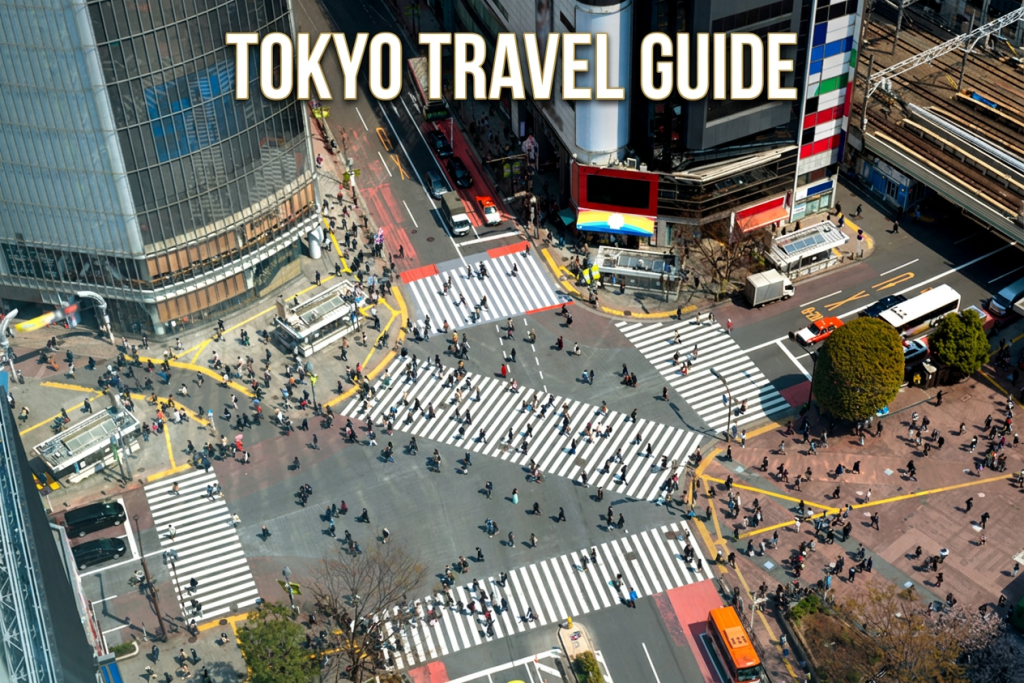
Shibuya is known for its famous pedestrian crossing, shopping, fashion and energetic atmosphere.
It can suit younger travellers, shoppers and visitors who enjoy contemporary city life.
Asakusa
Asakusa offers a more traditional atmosphere, with historic streets, temples and souvenir shops.
It may appeal to travellers who want to experience some of Tokyo’s cultural heritage while staying in a district with a distinct identity.
Ginza
Ginza is associated with department stores, designer shopping, restaurants and upmarket hotels.
It can be an appealing option for travellers who prioritise comfort and shopping, although accommodation may be more expensive.
Tokyo Station and its surroundings
Staying near Tokyo Station can be convenient for visitors planning day trips or onward rail journeys to other Japanese cities.
It also provides access to business districts, shopping and transport connections.
How much should you spend on accommodation?
Hotel prices vary considerably according to season, room size, location and standard.
Before choosing a hotel, compare the total price, room dimensions, cancellation terms, breakfast arrangements and distance to public transport. Tokyo hotel rooms can be compact, so check the actual room size rather than relying on photographs.
A hotel farther from the main tourist districts may offer better value, provided that transport connections are convenient.
For help comparing accommodation, see Kila’s Hotel Booking Guide for South Africans: How to Choose the Right Accommodation.
Getting around Tokyo
Tokyo’s public transport network is one of its major advantages for visitors.
Trains and subways connect many of the city’s best-known attractions, while buses and taxis provide alternatives where necessary.
The official GO TOKYO transport guide provides further information about navigating the city.
Trains and subway services
Tokyo has an extensive network of railway and subway lines operated by different companies.
At first, the system can appear complicated because different routes and operators serve different parts of the city. However, station signs, route maps and navigation apps can make it manageable.
Before leaving your hotel each day, check your route and the nearest station entrance. Large stations may have multiple exits, and choosing the wrong one can add unnecessary walking.
IC cards and transport passes
Prepaid IC cards, such as Suica and PASMO where available, can make paying for many train, subway and bus journeys more convenient.
Availability, purchase arrangements and mobile-wallet compatibility can change, so check current information before travelling.
A multi-day transport pass may be useful if it covers the routes you plan to use. It is not automatically cheaper than paying for individual journeys, particularly if your itinerary involves several operators.
Taxis
Taxis can be helpful when travelling with luggage, returning late at night or reaching destinations that are inconvenient by public transport.
However, costs can rise quickly over longer distances. Check the approximate fare and whether public transport is a practical alternative.
Do you need to hire a car?
Most visitors staying in central Tokyo will not need a rental car.
Public transport is extensive, and driving introduces extra considerations such as parking, navigation and local road rules.
A rental car may make sense for a wider trip through rural areas, but it is usually unnecessary for a first-time city visit.
The best things to do in Tokyo
Tokyo has enough attractions to fill several visits. These highlights provide a useful starting point.
1. Visit Senso-ji Temple in Asakusa
Senso-ji is one of Tokyo’s best-known temples. The surrounding area includes traditional shops, food stalls and streets that provide a glimpse of the city’s older character.
Visit early if you prefer a quieter experience, or later in the day if you want to explore the surrounding area at a relaxed pace.
2. Experience Shibuya Crossing
Shibuya Crossing is one of Tokyo’s most recognisable urban landmarks.
The surrounding district offers shopping, restaurants, cafés and entertainment. It is particularly lively in the evening.
Allow time to explore beyond the crossing itself, as the neighbourhood is a destination in its own right.
3. Explore Meiji Jingu Shrine
Meiji Jingu offers a peaceful contrast to the surrounding city. Set among trees, the shrine provides an opportunity to experience a more tranquil side of Tokyo.
It can be combined with a visit to nearby Harajuku and Omotesando.
4. Discover Akihabara
Akihabara is well known for electronics, gaming, anime, manga and Japanese pop culture.
It is particularly appealing to visitors interested in technology and entertainment. Even if you are not planning to shop, the district’s distinctive atmosphere makes it worth exploring.
5. Walk through Ueno Park
Ueno Park contains museums, cultural attractions and green spaces. Depending on the season, it can also be a beautiful place to enjoy flowering trees and outdoor scenery.
Check the opening times and admission charges of individual attractions before visiting.
6. Explore Shinjuku Gyoen National Garden
Shinjuku Gyoen combines landscaped gardens with a peaceful atmosphere that feels far removed from the surrounding city.
It is a good option for travellers who want a break from shopping districts and crowded streets. Check seasonal opening hours and any entry requirements before your visit.
7. See Tokyo from above
Tokyo has several observation decks and towers that offer views across the city.
Choose one based on location, ticket prices, weather and whether you prefer daytime or evening scenery. Book ahead when necessary, especially for popular time slots.
8. Visit Tsukiji Outer Market
Tsukiji Outer Market is a popular place to explore Japanese food culture.
You can find seafood, snacks, kitchen goods and other food-related products. Arrive with an appetite, follow local guidance and check individual stall hours, as businesses do not necessarily open at the same time.
9. Explore Ginza
Ginza is worth visiting for shopping, department stores, restaurants and architecture.
Even if luxury shopping is outside your budget, browsing the district and enjoying a meal or coffee can be part of the experience.
10. Take a day trip beyond central Tokyo
If you have additional time, consider a day trip outside the central city.
Popular options in the wider region include Kamakura, Nikko and the Hakone area. Travel time and transport arrangements vary, so check whether the destination fits comfortably into a day before adding it to your itinerary.
For official destination ideas, visit the Japan National Tourism Organization’s Tokyo guide.
What should you eat in Tokyo?
Food is one of the highlights of visiting Japan, and Tokyo offers options ranging from inexpensive everyday meals to fine dining.
Ramen
Ramen is a Japanese noodle dish served in a variety of broths and styles. Different restaurants specialise in different flavours, making it worth trying more than one version.
Sushi
Tokyo offers sushi at a wide range of prices, from casual restaurants to premium dining experiences.
You do not need to book an expensive restaurant for every meal to enjoy good food.
Tempura
Tempura consists of ingredients coated in a light batter and fried. It is often served with dipping sauce, rice or noodles.
Japanese curry
Japanese curry is typically served with rice and can be a filling, relatively straightforward meal for travellers.
Convenience-store food
Japanese convenience stores offer a surprisingly broad selection of snacks, drinks, sandwiches and prepared meals.
They can be useful for breakfast, quick lunches and keeping food costs under control.
Food etiquette and dietary requirements
If you have allergies or dietary restrictions, research suitable dishes and communicate your needs clearly. Do not assume that a dish is free of an ingredient simply because it is not obvious from its appearance.
Some traditional restaurants have limited space, specific ordering procedures or cash-only payment arrangements. Check before visiting, and follow local customs.
How much does a Tokyo trip cost?
Your total cost depends on your travel dates, flight choice, accommodation standard, restaurant preferences and number of paid attractions.
The main expenses are:
- International flights.
- Visa application and related costs, where applicable.
- Accommodation.
- Meals and drinks.
- Local transport.
- Attractions and activities.
- Travel insurance.
- Mobile data or an eSIM.
- Shopping and souvenirs.
- Emergency funds.
Instead of relying on a generic estimate, create a budget using prices for your intended dates.
A useful approach is to prepare three versions of your budget:
Budget trip: More affordable accommodation, casual meals, public transport and a focus on free or low-cost attractions.
Comfortable trip: A conveniently located hotel, a mix of casual and sit-down restaurants, and selected paid attractions.
Premium trip: Higher-end accommodation, more expensive dining, private experiences and additional shopping.
A simple budget-planning method
- Price return flights from your departure city.
- Compare accommodation for the full stay.
- Estimate daily food costs based on your preferred dining style.
- Calculate likely transport costs from your planned itinerary.
- Add attraction tickets and any tours.
- Include insurance, connectivity, visa-related expenses and shopping.
- Set aside a contingency for unexpected costs.
Remember that exchange rates can change between booking and departure. Allow some flexibility in your rand budget rather than spending every available rand on the main bookings.
Staying connected in Japan
A reliable internet connection helps with navigation, translation, bookings and communicating with family.
An eSIM may be convenient if your phone supports it. Alternatively, you could consider a physical SIM or portable Wi-Fi device.
Before buying, compare:
- Data allowance.
- Coverage in the areas you plan to visit.
- Validity period.
- Tethering or hotspot rules.
- Activation instructions.
- Compatibility with your phone.
- Whether calls and SMS are included.
Install and configure your chosen option before departure where possible, but follow the provider’s instructions on when to activate the plan.
Kila’s guide to choosing the best eSIM for international travel explains what South African travellers should compare. You can also read how eSIMs work when travelling overseas from South Africa before deciding which connectivity option suits your phone and travel plans.
Travel insurance and safety
Travel insurance is worth considering for an international trip, particularly one involving long-haul flights and prepaid accommodation.
Compare cover for medical expenses, emergency assistance, cancellations, baggage delays and lost belongings. Read exclusions and limits carefully, and ensure that the policy suits your activities and circumstances.
Kila’s guide to travel insurance for South Africans: what to check before you buy explains the main features to compare before selecting a policy.
Tokyo is generally considered a safe destination for visitors, but sensible precautions still matter.
- Keep your passport and valuables secure.
- Be aware of your surroundings in crowded areas.
- Follow local rules and instructions.
- Check weather warnings and transport updates.
- Keep emergency contact details accessible.
- Know how to reach your accommodation.
- Keep digital copies of important documents.
Japan is also exposed to earthquakes and other natural hazards. Familiarise yourself with official emergency guidance and follow instructions from local authorities if an incident occurs.
A suggested five-day Tokyo itinerary
Five days is a useful starting point for a first visit, although you could easily spend longer in the city.
Day 1: Arrival and Shinjuku
Arrive, travel to your accommodation and allow time to recover from the long flight.
If you have energy, take a gentle walk around Shinjuku, find a local restaurant and familiarise yourself with the nearest station.
Day 2: Asakusa and Ueno
Visit Senso-ji Temple and explore the surrounding streets. Continue to Ueno Park or one of its museums if time allows.
This day combines cultural attractions with a more traditional side of Tokyo.
Day 3: Shibuya, Harajuku and Meiji Jingu
Explore Meiji Jingu, walk through Harajuku and visit Shibuya Crossing.
You can spend the remainder of the day shopping, visiting cafés or exploring the surrounding neighbourhoods.
Day 4: Akihabara and Ginza
Visit Akihabara for gaming, electronics and pop culture, then explore Ginza for shopping, dining or architecture.
These districts offer different perspectives on modern Tokyo.
Day 5: Gardens, markets or a day trip
Choose a more relaxed final day. Visit Shinjuku Gyoen, explore Tsukiji Outer Market or take a day trip if the travel time fits your schedule.
Keep the final day flexible if you have an early flight the following morning.
This itinerary is a framework rather than a checklist. Group attractions geographically to reduce unnecessary travel, and leave room for discoveries along the way.
Practical tips for South African travellers
A little preparation can make a major difference to your experience.
- Check the visa first. Do not leave the application until the last minute.
- Carry a payment backup. Confirm card acceptance and keep an alternative payment method available.
- Check cash requirements. Some smaller businesses may prefer or require cash.
- Wear comfortable shoes. Exploring Tokyo often involves substantial walking.
- Pack for the season. Summer humidity and winter cold can be very different from what you expect.
- Check luggage limits. Review airline baggage rules and your accommodation’s storage space.
- Learn a few Japanese phrases. Simple greetings and polite expressions are appreciated.
- Download useful maps. Offline access can help if your mobile connection fails.
- Respect local etiquette. Follow signs, queue patiently and be considerate on public transport.
- Avoid overplanning. Travel between districts can take longer than expected, especially in large stations.
If you are travelling with a large suitcase, plan your airport transfer and hotel route in advance. A convenient station does not always mean a straightforward walk to your hotel, particularly where there are stairs, multiple exits or busy pavements.
Kila’s guide to choosing the right luggage for international travel can help you select luggage suited to a long-haul trip and your planned activities.
Common mistakes to avoid
Trying to see too much
Tokyo is enormous. Planning too many attractions in a single day can turn a holiday into a series of rushed transfers.
Choose a few priorities and explore nearby places together.
Booking a hotel based only on price
A cheaper hotel far from useful transport connections may cost more in time and transport.
Compare the complete experience, not only the nightly rate.
Assuming all transport passes offer savings
Different operators run different services, and not every pass covers every route. Check the terms against your planned journeys.
Ignoring the weather
Hot, humid days can make extensive walking tiring. In colder months, pack appropriate layers and check forecasts.
Leaving entry arrangements too late
Visa processing times and documentation requirements can affect your departure plans. Consult the official authorities early.
Underestimating the journey
Long-haul travel can leave you tired. Avoid scheduling a packed sightseeing day immediately after arrival.
Frequently asked questions
Is Tokyo suitable for first-time visitors to Japan?
Yes. Tokyo has extensive public transport, a wide range of accommodation and attractions for different interests. Planning your main routes and learning a few practical customs can make the first visit easier.
How many days should you spend in Tokyo?
Three days can cover a few major highlights, but five to seven days provides more time to explore different districts at a comfortable pace. Longer stays allow for day trips and more specialised interests.
Is Tokyo expensive for South Africans?
Costs vary according to exchange rates, accommodation, dining and travel dates. Tokyo can be explored on different budgets, especially if you combine casual meals, public transport and free attractions with selected paid experiences.
Can you get around Tokyo without speaking Japanese?
Many major stations and tourist areas have multilingual signs, and navigation apps are helpful. English is not universally spoken, however, so having your hotel details, addresses and key information available on your phone can be useful.
Do you need cash in Tokyo?
Cards and electronic payments are widely used, but some businesses may still prefer cash. Carry a sensible amount and check the payment options for places you plan to visit.
Is a rail pass worth buying for Tokyo?
Not necessarily. It depends on the routes you will use and whether you are travelling beyond Tokyo. Compare the cost and coverage of any pass with individual fares before purchasing.
What should you do before flying to Tokyo?
Confirm your passport and visa requirements, book suitable accommodation, compare flight itineraries, arrange travel insurance, check baggage rules and plan how you will get from the airport to your hotel.
Final thoughts
Tokyo is a rewarding destination for South Africans who want to experience a different culture, explore an extraordinary city and enjoy some of Japan’s best food, shopping and attractions.
The most successful trip begins with sensible planning. Confirm entry requirements, compare flights carefully, choose accommodation near convenient transport and build an itinerary that gives you time to enjoy each district.
You do not need to visit every famous landmark to appreciate Tokyo. Often, the most memorable moments come from a small restaurant, a quiet garden, an unexpected shopping street or a simple journey on the city’s remarkable railway network.
With preparation and a flexible plan, Tokyo can be an unforgettable international travel experience.
Official sources and further information
Embassy of Japan in South Africa — Visa information
Japan Ministry of Foreign Affairs — JAPAN eVISA
GO TOKYO — Official Tokyo Travel Guide