
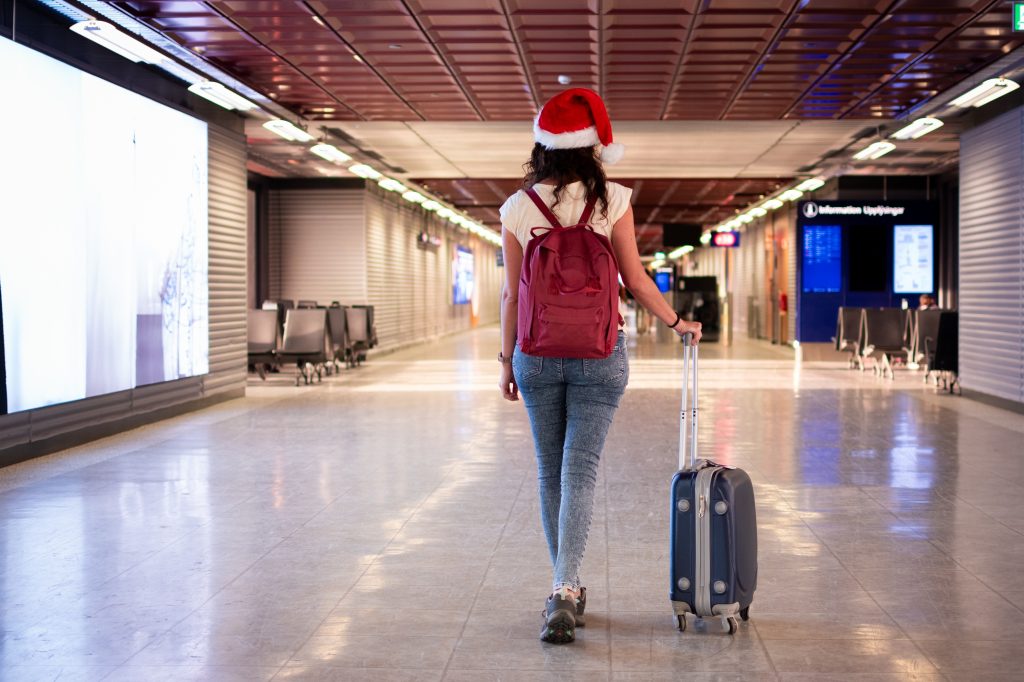
A good travel backpack can make travelling considerably easier. It can provide convenient access to your essentials, leave your hands free and, depending on the size, work as a personal item, day bag or even your main piece of luggage for a shorter trip.
But travel backpacks vary enormously. Some are designed for lightweight city travel, while others are built for hiking, long-distance travel or carrying substantial amounts of clothing and equipment.
Choosing the right one therefore requires more than picking a backpack that looks good.
You need to consider its size, capacity, comfort, organisation, security, durability and how you intend to use it.
This guide explains what South African travellers should look for when choosing a travel backpack.
1. Start With How You Will Use the Backpack
The most important question is simple:
What do you want the backpack to do?
A backpack used for a day of sightseeing is very different from one intended to replace a suitcase.
You may want a backpack for:
- International air travel
- Weekend trips
- City sightseeing
- Business travel
- Hiking
- Carry-on luggage
- Photography
- Beach holidays
- Road trips
- Everyday travel
- Long-term backpacking
Before comparing products, decide which category best describes your needs.
If you already have a suitcase, for example, you may only need a compact backpack for your passport, documents, electronics, medication, water and other essentials.
If you’re travelling with only one bag, you’ll need substantially more capacity.
Our guide How to Choose the Right Luggage for International Travel covers the wider question of choosing luggage for international trips.
2. Choose the Right Backpack Size
Backpack capacity is normally expressed in litres.
Common sizes include:
- 10–20 litres: Small daypacks
- 20–30 litres: Day trips and lightweight travel
- 30–40 litres: Versatile travel backpacks
- 40–50 litres: Extended travel or one-bag trips
- 50 litres and above: Larger travel or backpacking applications
These are broad guidelines rather than strict rules.
A 30-litre backpack from one manufacturer may feel considerably different from a 30-litre backpack from another because the shape and internal organisation can affect how much you can realistically pack.
Don’t automatically buy the largest backpack
More capacity isn’t necessarily better.
A large backpack encourages you to pack more, which can result in:
- Higher weight
- Less comfortable walking
- More difficult storage
- More temptation to overpack
For city travel, a smaller backpack may be much more convenient.
3. Think About Airline Requirements
If you intend to use your backpack as carry-on luggage or a personal item, dimensions can be just as important as capacity.
Airlines have their own baggage rules, and these can vary depending on the airline, ticket type and route.
Before travelling, check the current baggage allowance directly with the airline.
Pay attention to:
- Maximum dimensions
- Maximum weight
- Carry-on allowance
- Personal-item allowance
- Number of bags permitted
Don’t assume that because a backpack is marketed as “carry-on size” it will automatically comply with every airline.
This is especially important when travelling on multiple airlines.
Our guide How to Choose the Right Flight for an International Trip from South Africa: Price, Stops, Baggage & Schedule explains why baggage allowances should be considered when comparing flights.
4. Consider the Weight of the Backpack Itself
A backpack that weighs very little when empty may be attractive, but construction and support systems can add weight.
If you’re going to carry the backpack for several hours, every extra kilogram matters.
Compare the empty weight of different models.
A lightweight design may be preferable for:
- Airport travel
- City sightseeing
- Short trips
- Carry-on use
A somewhat heavier backpack may make sense when it provides substantially better support, durability or weather protection.
The objective is to find the right balance rather than simply buying the lightest product available.
5. Comfort Is More Important Than Appearance
A backpack can look fantastic in a product photograph but become uncomfortable after an hour of walking.
Look for:
- Padded shoulder straps
- Adjustable straps
- A supportive back panel
- Breathable materials
- Appropriate weight distribution
- A comfortable handle
- A suitable hip or waist belt on larger models
The more weight you intend to carry, the more important the support system becomes.
Check the shoulder straps
Good shoulder straps should sit comfortably without digging into your shoulders.
They should also allow you to adjust the backpack so that it sits correctly against your body.
Look at the back panel
A padded or ventilated back panel can make a noticeable difference when travelling in warm weather.
This can be particularly useful when sightseeing in destinations where you’ll spend several hours walking outdoors.
6. Consider Your Body Size and Fit
Backpacks aren’t necessarily one-size-fits-all.
Some larger hiking and travel backpacks have adjustable torso systems that allow you to change the fit.
For a smaller daypack, shoulder-strap adjustment may be sufficient.
When possible, try the backpack on with some weight inside it.
An empty backpack can feel comfortable while a loaded backpack may sit completely differently.
7. Decide How Much Organisation You Need
Some travellers prefer one large compartment. Others want a pocket for everything.
Think about what you normally carry.
You may want separate storage for:
- Passport
- Wallet
- Phone
- Travel documents
- Water bottle
- Clothing
- Toiletries
- Laptop
- Tablet
- Camera
- Chargers
- Medication
- Snacks
A backpack with several compartments can make it easier to organise your belongings.
However, too many small pockets can sometimes reduce the amount of useful storage.
Choose an organisation system that matches how you actually travel.
8. Front-Loading Versus Top-Loading
This is an important distinction when choosing a travel backpack.
Front-loading backpacks
These open more like a suitcase.
They can make it easier to see and access clothing and other belongings without unpacking everything.
For international travel, this design can be particularly convenient.
Top-loading backpacks
These generally open from the top and are common in hiking and outdoor backpacks.
They can be useful for carrying equipment but may be less convenient if you’re constantly accessing clothes and travel documents.
For city-based travel, a front-loading design may provide a more suitcase-like packing experience.
9. Look for a Useful Laptop Compartment if You Need One
Many travel backpacks include a padded laptop compartment.
This can be useful for business travellers or people who work while travelling.
Before buying, check the actual compartment dimensions rather than relying solely on a label such as “fits 15-inch laptop.”
Laptop dimensions vary between manufacturers.
If you don’t travel with a laptop, don’t pay a premium for a large computer compartment that you don’t need.
10. Think About Security
Security deserves particular attention when travelling internationally.
A backpack carried through airports, public transport and busy tourist areas should make it reasonably difficult for someone to access your belongings without you noticing.
Features worth considering include:
- Lockable zips
- Concealed pockets
- Hidden passport compartments
- Zips positioned against the wearer’s back
- Slash-resistant materials
- Secure internal compartments
These features don’t make a backpack theft-proof, but they can make casual access more difficult.
Your behaviour remains important.
Avoid leaving your backpack unattended and be particularly careful in crowded public transport areas and busy tourist attractions.
11. Consider Water Resistance
You don’t necessarily need a completely waterproof backpack for ordinary travel.
However, some level of water resistance can be useful.
Consider where you’re travelling and what you will carry.
A rain-resistant backpack can help protect:
- Clothing
- Travel documents
- Electronics
- Camera equipment
- Books
Some backpacks include rain covers, while others use water-resistant fabrics or coated zips.
If you’re travelling to a destination with frequent rain, check the manufacturer’s actual water-resistance claims rather than assuming the material is waterproof.
12. Choose the Right Material
Travel backpacks can be made from various materials.
Common options include:
- Polyester
- Nylon
- Ripstop fabrics
- Canvas
- Leather
- Synthetic technical materials
Nylon
Nylon is commonly used because it can provide a good combination of strength and relatively low weight.
Polyester
Polyester is also widely used and can offer good durability at a reasonable price.
Ripstop fabrics
Ripstop construction is designed to reduce the likelihood of small tears spreading through the material.
Canvas
Canvas can provide a distinctive appearance and a sturdy feel but may be heavier than some synthetic alternatives.
Leather
Leather backpacks can look stylish and may develop character over time, but they can be heavier and require more maintenance.
For most international travellers, practical considerations such as weight, durability and weather resistance are more important than the material’s appearance alone.
13. Check the Zips and Hardware
Small components can determine how well a backpack survives regular travel.
Look closely at:
- Zip quality
- Zip pulls
- Buckles
- Stitching
- Handles
- Strap attachment points
- Adjustment buckles
The handle deserves particular attention because it often receives considerable stress when you lift the backpack into an overhead compartment.
If buying online, zoom in on product photographs where possible.
14. Consider a Suitcase-Style Opening
Some travel backpacks open almost completely flat.
This can be a major advantage if you frequently stay in hotels and want quick access to your clothes.
Instead of digging through the backpack from the top, you can open the main compartment and see most of the contents immediately.
This design can be particularly useful for:
- Business travel
- Weekend trips
- Multi-city travel
- Frequent hotel stays
- Carry-on travel
If you’re planning a multi-city holiday, organisation becomes especially important because you may be packing and unpacking regularly.
Our recent guide How to Plan a Multi-City International Trip from South Africa: Flights, Connections, Budget & Itinerary covers the wider planning process.
15. Think About Accessibility at Airports
A travel backpack should make airport journeys easier rather than more complicated.
Useful features may include:
- Easy-access passport pocket
- Separate laptop compartment
- Quick-access front pocket
- Suitcase attachment strap
- Comfortable top handle
- Easily adjustable shoulder straps
A luggage pass-through strap can be especially useful if you normally travel with a suitcase as well.
You can slide the backpack over the suitcase handle rather than carrying both separately.
16. Don’t Forget Water Bottle Storage
A side water-bottle pocket can be surprisingly useful.
It allows you to keep a bottle accessible without opening the main compartment.
Check that the pocket is large enough for the bottle you normally use.
If the pocket is too shallow, the bottle may fall out when you bend down or move quickly.
17. Think About Your Travel Clothing
The size of backpack you need depends partly on your clothing.
Travellers who pack lightweight, quick-drying clothing may be able to travel comfortably with a smaller backpack.
Those who travel with heavier clothing, jackets or multiple pairs of shoes will need more space.
If you’re trying to reduce luggage size, consider building a versatile travel wardrobe rather than packing a separate outfit for every day.
How to Build a Versatile Wardrobe Without Overspending contains useful principles that can also be applied when deciding what to pack.
18. Don’t Forget Your Shoes
Shoes can consume a surprising amount of backpack space.
If you intend to travel with only a backpack, think carefully about how many pairs you actually need.
A versatile pair of walking shoes can often be more useful than packing several specialised pairs.
Your footwear should also be comfortable enough for airport walking and sightseeing.
Our guide How to Choose the Right Shoes for Your Lifestyle provides more advice on choosing footwear based on how you intend to use it.
19. Consider a Backpack That Opens Like Luggage
Some travel backpacks are specifically designed for one-bag travellers.
They often combine:
- Suitcase-style opening
- Clothing compartments
- Laptop storage
- Small-item pockets
- Compression straps
- Carry handles
- Comfortable shoulder straps
These can be excellent for short international trips.
However, they may be more expensive than ordinary backpacks.
Think about how frequently you will use the features before paying a premium.
20. Backpack Versus Suitcase
A backpack isn’t automatically better than a suitcase.
Each has advantages.
Backpack advantages
- Hands-free travel
- Easy on stairs
- Convenient on public transport
- Useful on uneven surfaces
- Easy to carry through busy areas
- Good for multi-city travel
Suitcase advantages
- Wheels reduce carrying effort
- Easier organisation
- Often better for heavier loads
- Clothing can be packed more neatly
- Convenient in airports and hotels
For many travellers, the best solution is a combination.
A suitcase can carry the majority of your clothing, while a backpack holds your travel essentials and valuables.
21. Backpack or Personal Item?
Some airlines allow passengers to bring a larger cabin bag plus a smaller personal item.
A compact backpack may work well as the personal item.
However, don’t assume that every airline has the same rules.
Check the airline’s current requirements before travelling.
If you’re using a backpack as a personal item, size can be more important than capacity.
A bag that is technically small enough in litres may still exceed the permitted external dimensions.
22. Buying a Travel Backpack Online
Online shopping provides a huge range of backpacks, but always check the details carefully.
Before buying, look at:
Dimensions
Check height, width and depth.
Capacity
Confirm the stated litre capacity.
Weight
Check the empty weight.
Materials
Look at the fabric and construction.
Compartments
Make sure the internal layout suits your needs.
Reviews
Look for repeated comments about comfort, zips, durability and actual capacity.
Returns
Check the retailer’s returns and exchange policy.
This is particularly important if you haven’t tried the backpack before ordering.
23. Don’t Be Distracted by Too Many Features
Travel backpacks can be marketed with a long list of features.
You may see claims about:
- Anti-theft design
- USB charging
- RFID pockets
- Hidden compartments
- Compression systems
- Special laptop protection
- Multiple organisational pockets
- Waterproof materials
Some features may be genuinely useful.
Others may not matter to you.
Start with the fundamentals:
Is it the right size?
Is it comfortable?
Is it durable?
Does it organise your belongings effectively?
Is it appropriate for your airline and travel style?
Then consider additional features.
24. Think About the Long-Term Value
A backpack is something you may use for years.
Rather than focusing solely on the purchase price, consider:
- How frequently you’ll use it
- How durable it appears
- Whether replacement parts are available
- Whether the design will remain useful
- Whether the warranty provides meaningful protection
A well-made backpack that you use on every trip can offer excellent value.
A cheap backpack that becomes uncomfortable or breaks after a few trips may ultimately cost more.
25. A Simple Travel Backpack Buying Checklist
Before buying, ask yourself:
Purpose
- What will I use the backpack for?
- Day trips, carry-on travel or one-bag travel?
- Will I use it for hiking or mainly cities?
Size
- How many litres do I need?
- What are the external dimensions?
- Does it comply with my airline’s requirements?
Comfort
- Are the shoulder straps padded?
- Is the back panel comfortable?
- Can I adjust the fit?
- How much will the loaded backpack weigh?
Organisation
- Is there enough space for clothing?
- Do I need a laptop compartment?
- Is there a passport pocket?
- Can I access important items easily?
Security
- Are there lockable or concealed zips?
- Can valuable items be kept close to my body?
Durability
- Is the fabric suitable?
- Do the stitching and zips look strong?
- Is the handle well constructed?
Buying online
- Have I checked the dimensions?
- Have I read customer reviews?
- What is the return policy?
- What will delivery cost?
Final Thoughts
The best travel backpack isn’t necessarily the biggest, most expensive or most feature-packed model.
It is the one that fits your travel style, your body and the amount you actually need to carry.
For city travel and short international trips, a well-organised 20–40 litre backpack may be more useful than a much larger model. If you’re travelling with only one bag, you may need greater capacity and stronger support.
Pay particular attention to comfort, weight, dimensions and airline baggage requirements. These practical considerations can make a much bigger difference to your trip than cosmetic features.
And if you’re travelling with a suitcase, don’t overlook the value of a smaller backpack. Having your passport, documents, water, valuables and other essentials immediately accessible can make airports, transfers and sightseeing considerably easier.
A little planning before you buy can help ensure that your travel backpack becomes a useful companion on many trips rather than another piece of luggage sitting unused at home.