
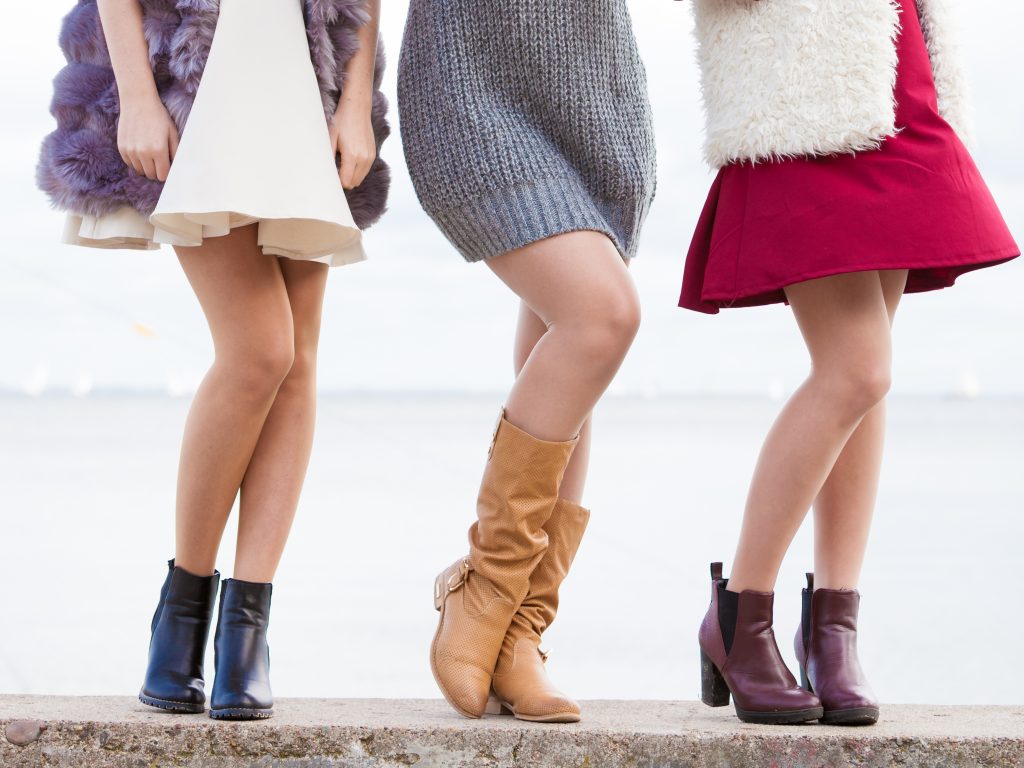
A good pair of boots can be one of the most versatile purchases in your wardrobe. The right boots can work with jeans and casual clothing, smart-casual outfits, workwear and even certain travel wardrobes.
But boots vary considerably in their construction, materials, fit and intended use. A pair that looks excellent online may not be comfortable for walking, while a fashionable style may not provide the support or durability you need.
Whether you’re buying your first pair of boots or replacing an old favourite, understanding what to look for can help you choose a pair that looks good, fits properly and suits the way you intend to wear them.
1. Start With How You Will Wear the Boots
Before looking at colours and styles, think about their main purpose.
Different boots are designed for different situations.
You might want boots for:
- Everyday casual wear
- Work
- Smart-casual occasions
- Outdoor activities
- Cold weather
- Rainy conditions
- Travel
- Walking
- Formal occasions
- Fashion and occasional wear
A boot designed primarily for fashion may not be appropriate for long walks. Similarly, a rugged outdoor boot may look out of place with formal clothing.
If you need boots for several situations, look for a versatile style rather than buying a highly specialised pair.
This is similar to choosing other wardrobe staples. Our guide How to Choose the Right Shoes for Your Lifestyle looks at how to match footwear to your everyday needs.
2. Choose the Right Boot Style
There are many different styles of boots, and each has its own appearance and typical use.
Ankle boots
Ankle boots end around the ankle and are among the most versatile styles.
They can be worn with:
- Jeans
- Trousers
- Chinos
- Dresses
- Skirts
- Casual outfits
Because they are relatively easy to combine with different clothing, ankle boots can be a useful addition to a general wardrobe.
Chelsea boots
Chelsea boots are usually characterised by elasticated side panels and a relatively clean silhouette.
They can work particularly well for smart-casual dressing and can be worn with jeans, trousers and other everyday clothing.
Chukka boots
Chukka boots are generally ankle-height boots with a simple design and relatively few eyelets.
They can provide a useful middle ground between casual shoes and more formal footwear.
Lace-up boots
Lace-up boots range from lightweight fashion styles to heavy-duty outdoor footwear.
The main advantage is adjustability. You can tighten the boot around your foot and ankle to achieve a more secure fit.
Work boots
Work boots are designed around durability and practical use.
Depending on the type, they may include reinforced toes, heavy-duty soles, additional ankle support and more durable materials.
If you are buying boots for actual work, check that they meet any safety requirements applicable to your occupation rather than choosing based on appearance alone.
Hiking and outdoor boots
Outdoor boots are designed for walking on uneven terrain and may offer additional grip, ankle support and weather resistance.
They are usually more specialised than everyday fashion boots.
3. Get the Fit Right
A boot can look fantastic and still be a poor purchase if it doesn’t fit correctly.
The boot should feel secure without squeezing your foot.
Check:
- Toe room
- Width
- Heel movement
- Arch support
- Ankle comfort
- Overall pressure
- Flexibility
Your toes should not be forced against the front of the boot.
At the same time, your foot should not slide excessively inside the boot.
Don’t assume your shoe size is always the same
Different brands and styles can fit differently.
A size that works in one pair of shoes may not feel identical in another pair of boots.
If buying online, check the retailer’s specific size guide rather than relying only on the numerical size.
4. Think About Socks When Checking the Fit
The socks you intend to wear can affect the fit.
If you’re buying winter boots, you may wear thicker socks than you would with ordinary shoes.
When trying boots on, use the type of socks you are likely to wear with them.
This is particularly important with:
- Hiking boots
- Winter boots
- Work boots
- Outdoor boots
A boot that feels comfortable with thin socks may become too tight with thicker ones.
5. Pay Attention to the Material
The material affects appearance, comfort, durability, maintenance and weather resistance.
Leather
Leather boots are popular because they can be durable and develop character over time when properly maintained.
Different types and finishes of leather behave differently, so don’t assume all leather boots have identical characteristics.
Advantages can include:
- Durability
- Classic appearance
- Good structure
- Ability to develop a patina
- Repairability in some designs
Leather generally requires some maintenance to keep it in good condition.
Suede
Suede has a softer, more casual appearance.
It can look excellent but usually requires more care around water, mud and stains.
If you live in an area where boots are frequently exposed to wet conditions, check the manufacturer’s care instructions carefully.
Synthetic materials
Synthetic materials can offer a wide range of finishes and may be less expensive than some leather alternatives.
Some modern synthetic materials are also designed specifically for water resistance, flexibility or outdoor use.
Textile materials
Some lightweight boots use fabric or textile uppers.
These can be useful for casual or outdoor footwear where flexibility and lower weight are important.
6. Consider the Sole
The sole is one of the most important parts of a boot.
Look at:
- Grip
- Thickness
- Flexibility
- Shock absorption
- Weight
- Durability
- Intended surface
A smooth sole may be suitable for urban environments and smart-casual boots.
A deeper tread can provide better grip on uneven or slippery surfaces.
If you expect to walk extensively, don’t choose the sole purely because it looks attractive.
7. Heel Height Can Affect Comfort
Boots are available with everything from completely flat soles to relatively high heels.
Consider how much walking you expect to do.
A higher heel can change the way your weight is distributed across your foot and may not be suitable for prolonged walking for everyone.
For everyday boots, moderate heel heights or low-profile soles can provide a practical balance between appearance and comfort.
If you already know that a particular heel height works well for you, use that experience when shopping.
8. Check the Boot’s Construction
Two boots can look similar while being constructed very differently.
Look closely at:
- Stitching
- Sole attachment
- Upper material
- Lining
- Heel construction
- Reinforcement
- Hardware
- Zips
- Eyelets
Good construction does not necessarily mean the most expensive boot available, but construction quality should form part of the comparison.
If buying online, product photographs can help you inspect details such as stitching and sole construction.
9. Consider Weather Resistance
South African weather varies significantly between regions, and you may encounter rain, cold conditions and wet surfaces during winter or travel.
Don’t automatically assume that a boot advertised as waterproof actually provides the same level of protection as a dedicated waterproof outdoor boot.
Look for specific information about:
- Water resistance
- Waterproof membranes
- Sealed seams
- Treated leather
- Manufacturer care instructions
If you only need protection from occasional light rain, water-resistant footwear may be sufficient.
For hiking or prolonged exposure to wet conditions, more specialised waterproof construction may be appropriate.
10. Choose a Colour That Works With Your Wardrobe
Black and brown are among the most versatile boot colours.
Black boots
Black boots can work particularly well with:
- Black trousers
- Dark jeans
- Smart-casual outfits
- Monochrome clothing
- Evening wear
Brown boots
Brown boots can work well with:
- Blue jeans
- Chinos
- Earth-tone clothing
- Casual shirts
- Jackets
Other colours can make more of a fashion statement but may be less versatile.
If you’re buying your first pair of boots, consider how many outfits you can realistically wear them with rather than choosing a colour simply because it looks attractive in a product photograph.
11. Think About the Shape of the Boot
The shape of the toe can significantly affect the overall appearance.
Common shapes include:
- Round toe
- Square toe
- Almond toe
- Pointed toe
A rounded or moderately shaped toe is often easier to wear casually.
More pointed styles can create a dressier appearance.
The shape should also be comfortable. Don’t choose a narrow toe box simply because you prefer the appearance if it restricts your toes.
12. Zips, Laces and Pull-On Designs
Boots can use different fastening systems.
Laces
Laces provide excellent adjustability and can help secure the boot around your foot and ankle.
Side zips
Side zips make boots easier to put on and remove.
They can be particularly convenient for everyday footwear.
Elastic panels
Chelsea-style boots use elastic panels to provide flexibility while maintaining a clean appearance.
Pull-on boots
Pull-on boots can be extremely convenient, especially for casual use.
The downside is that you have less ability to adjust the fit once the boot is on.
13. Consider Comfort for Long Periods of Walking
A boot that is comfortable for ten minutes in a shop may not necessarily remain comfortable after several hours.
If you’ll use the boots for walking or travel, consider:
- Cushioning
- Weight
- Sole flexibility
- Heel height
- Arch support
- Breathability
- Ankle comfort
This is particularly important if you intend to travel with the boots.
For international travel, footwear that can comfortably handle airport walking and sightseeing can be much more useful than a fashionable pair that is uncomfortable after an hour.
If you’re building a travel wardrobe, How to Choose the Right Luggage for International Travel provides additional advice on selecting practical travel equipment.
14. Think About Breathability
Boots can become uncomfortable when worn for long periods if they don’t allow enough ventilation.
The upper material, lining and construction can all influence breathability.
This is especially relevant in warmer climates.
A heavily insulated winter boot may be useful in cold conditions but unnecessarily warm for everyday South African use.
Choose according to the climate and conditions where you will actually wear the boots.
15. Don’t Ignore the Weight
Heavy boots can provide durability and protection, but they can also become tiring during extended walking.
Lightweight boots may be preferable for:
- Everyday use
- Travel
- City walking
- Casual wear
Heavier boots may be appropriate for:
- Outdoor work
- Hiking
- Rough terrain
- Cold conditions
Again, the best choice depends on the intended use.
16. Buying Boots Online
Online shopping gives you access to a much wider selection of boots, but footwear requires a little more care when buying remotely.
Before ordering, check:
Size guide
Use the retailer’s measurements rather than assuming every brand uses identical sizing.
Material
Confirm whether the boots are leather, suede, synthetic or another material.
Heel and sole dimensions
These can make a substantial difference to the appearance and comfort.
Return policy
This is particularly important when buying footwear online.
Make sure you understand whether unworn boots can be returned or exchanged if the fit isn’t right.
Reviews
Customer reviews can provide useful information about:
- Fit
- Sizing accuracy
- Comfort
- Durability
- Appearance
- Quality
Look for repeated comments rather than relying on one review.
17. Don’t Buy Boots Solely on Price
A low-priced pair can be excellent value if it suits your needs and is well made.
Likewise, an expensive pair isn’t automatically the right choice.
Compare the features that matter to you:
- Material
- Construction
- Comfort
- Sole quality
- Intended use
- Durability
- Warranty
- Return policy
A moderately priced pair that you wear regularly may provide considerably more value than an expensive pair that spends most of its time in the cupboard.
18. Consider Cost Per Wear
One useful way to think about footwear value is cost per wear.
For example, a pair of boots costing R1,500 and worn 100 times has effectively cost R15 per wear.
A pair costing R4,000 but worn only ten times has cost R400 per wear.
This isn’t a reason to automatically buy the cheapest boots. It is a way to consider whether a particular purchase is likely to become a genuine part of your wardrobe.
A versatile pair that works with several outfits can often provide better long-term value.
19. How to Care for Your Boots
Proper care can significantly extend the useful life of boots.
The exact maintenance routine depends on the material.
Leather
Clean the boots regularly and use suitable leather-care products according to the manufacturer’s recommendations.
Avoid soaking leather unnecessarily.
Suede
Use a suitable suede brush and follow the manufacturer’s cleaning instructions.
Avoid using ordinary leather products on suede unless specifically recommended.
Synthetic materials
Follow the manufacturer’s cleaning instructions and avoid harsh chemicals that could damage the finish.
Soles
Remove dirt from the tread regularly, particularly if the boots are used outdoors.
Also allow wet boots to dry properly rather than placing them directly next to a strong heat source.
20. Build a Versatile Boot Collection Gradually
You don’t need several pairs of boots immediately.
A practical wardrobe might start with one versatile pair suitable for everyday use.
You can then add specialised styles when you actually need them.
For example:
Everyday pair: A versatile ankle or Chelsea boot.
Outdoor pair: A more rugged boot for hiking or outdoor activities.
Smart pair: A cleaner design for dressier occasions.
Weather-resistant pair: Useful if you regularly encounter wet conditions.
The right combination depends on your lifestyle.
If you’re trying to build a wardrobe without constantly buying new clothes, our guide How to Build a Versatile Wardrobe Without Overspending provides useful principles that also apply to footwear.
21. A Simple Boot-Buying Checklist
Before buying, ask:
Purpose
- What will I mainly use these boots for?
- How often will I wear them?
- Do I need specialised features?
Fit
- Is there enough toe room?
- Is the width comfortable?
- Does my heel stay reasonably secure?
- Will I wear thick or thin socks?
Material
- Is it leather, suede, synthetic or textile?
- Is the material suitable for the weather?
- How much maintenance will it require?
Construction
- Is the sole appropriate?
- Does the stitching look strong?
- Are the zips, laces or elastic panels well made?
Comfort
- Are they too heavy?
- Is the heel comfortable?
- Would they be suitable for several hours of walking?
Online purchase
- Have I checked the size guide?
- What is the return policy?
- What do customer reviews say?
- What are the delivery costs?
Final Thoughts
The right boots should balance fit, comfort, durability, style and purpose.
Start by deciding how you will actually use them. Then consider the style, material, sole, construction and fit before making your final choice.
If you’re buying online, pay particular attention to sizing and the returns policy. A beautiful pair of boots is of little value if they are uncomfortable or don’t fit properly.
And don’t automatically assume that the most expensive pair is the best choice. The best boots for your wardrobe are the ones that suit your lifestyle and are comfortable enough that you will actually wear them.
A versatile, well-fitting pair can become one of the most useful pieces in your wardrobe.