
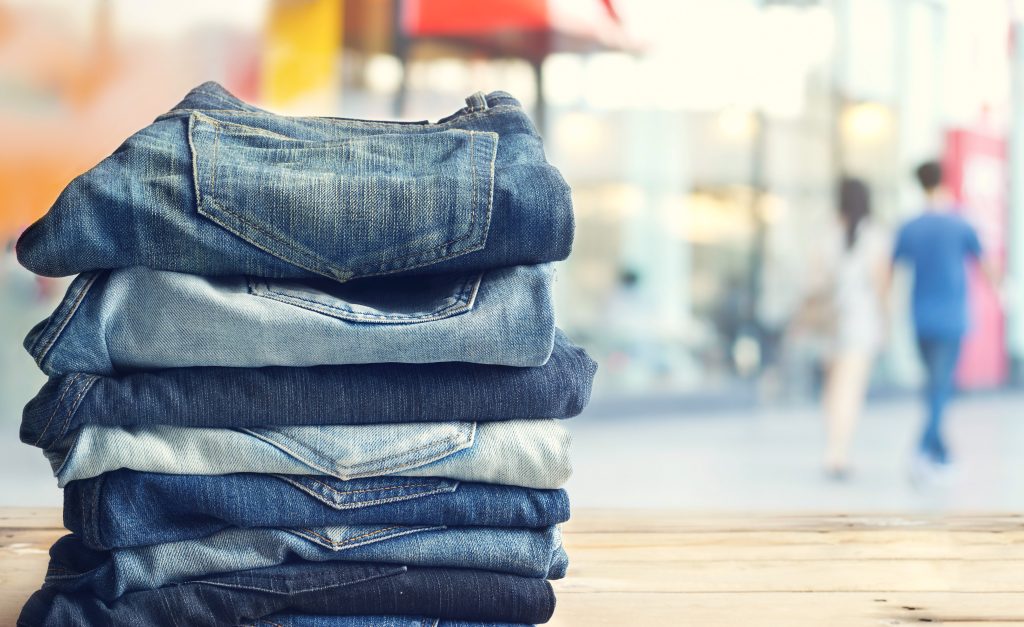
Jeans are one of the most versatile pieces of clothing you can own, but finding the right pair isn’t always straightforward. Different brands use different sizing systems, denim fabrics vary considerably, and terms such as straight, slim, relaxed, tapered and bootcut can make choosing a pair confusing.
The right jeans should be comfortable, practical for the way you intend to wear them and appropriate for the rest of your wardrobe. While appearance is important, factors such as fabric, stretch, rise, leg shape, waistband fit and construction can make a significant difference to how useful a pair will be.
This guide explains what to look for when buying jeans, whether you’re shopping in a South African store or ordering online.
1. Start With How You Intend to Wear Them
Before looking at colours and styles, think about where you expect to wear the jeans.
A pair intended for everyday casual wear may have very different requirements from jeans for going out, travelling or working in a casual environment.
Consider whether you want jeans for:
- Everyday wear
- Casual weekends
- Travel
- Going out
- Smart-casual outfits
- Outdoor activities
- Workplaces with a relaxed dress code
If you want maximum versatility, a relatively simple, classic pair may be more useful than a highly distressed or heavily decorated style.
2. Understand the Main Jeans Fits
One of the first things you’ll encounter when shopping for jeans is the fit.
The terminology isn’t completely standardised between brands, but the following descriptions are useful starting points.
Straight-leg jeans
Straight jeans generally maintain a relatively consistent width from the thigh towards the ankle.
They are a classic option and can work well with a wide range of tops and footwear.
Slim-fit jeans
Slim jeans are cut closer through the leg than straight jeans.
They can provide a relatively streamlined appearance while still allowing comfortable movement when correctly sized.
Skinny jeans
Skinny jeans are designed to fit closely through most of the leg.
They are more fitted than slim styles and aren’t necessarily the best choice if you prefer greater freedom of movement.
Relaxed-fit jeans
Relaxed jeans provide more room through areas such as the seat and thigh.
They can be particularly useful if comfort and unrestricted movement are priorities.
Loose-fit jeans
Loose jeans provide a more generous cut through much of the leg.
They are generally chosen for their roomier construction and casual appearance.
Tapered jeans
Tapered jeans generally provide more room around the upper leg and gradually become narrower towards the ankle.
They can work well when you want some room through the thigh without a wide leg opening.
Bootcut jeans
Bootcut jeans are relatively fitted through the upper leg and widen slightly towards the bottom.
The design was originally associated with wearing boots, but they can also work with other footwear.
Wide-leg jeans
Wide-leg jeans provide considerably more room through the leg.
They are a style choice rather than simply a comfort feature and can create a noticeably different silhouette.
3. Don’t Assume One Fit Works for Every Brand
One of the biggest problems when buying jeans online is assuming that a particular size or fit will be identical between brands.
It usually isn’t.
A “32” waist in one brand can fit differently from a “32” in another.
Even within the same brand, different cuts can feel substantially different.
For this reason, don’t rely exclusively on the number printed on the label.
Look at the manufacturer’s actual size chart and measurements.
4. Understand Waist Measurements
Jeans are commonly sold using waist measurements such as:
- 30
- 32
- 34
- 36
- 38
These figures generally refer to the waist measurement in inches, although actual garment measurements can vary.
When shopping online, check how the retailer defines its measurements.
Some size charts provide body measurements, while others provide garment measurements.
Those aren’t necessarily the same thing.
If you’re unsure, use a measuring tape and compare your measurement with the retailer’s specific size guide.
5. Consider the Rise
The rise is the distance from the crotch area to the top of the waistband.
The main categories are generally:
- Low rise
- Mid rise
- High rise
Low rise
The waistband sits lower on the waist.
This can create a particular style but may not be everyone’s preference for everyday wear.
Mid rise
Mid-rise jeans sit between low and high rise and are one of the more versatile options.
High rise
High-rise jeans have a longer rise and sit higher on the waist.
They are available in a wide variety of cuts and can work particularly well with certain tucked-in or shorter tops.
The important thing is to choose the rise that feels comfortable and works with how you intend to wear the jeans.
6. Check the Waistband
The waistband should feel secure without being uncomfortably tight.
When trying jeans on, move around normally.
Try:
- Sitting down
- Standing up
- Walking
- Bending
- Getting into a car
A waistband that feels fine while standing can sometimes feel very different when sitting.
For online purchases, check the retailer’s return policy before ordering if you are uncertain about sizing.
7. Look at the Denim Fabric
Jeans can be made from very different denim fabrics.
Traditional denim is generally a relatively sturdy cotton fabric, while modern jeans often contain a small percentage of stretch fibres.
Common materials include:
- Cotton
- Cotton with elastane
- Cotton with polyester
- Cotton with other blended fibres
The fabric composition can affect:
- Comfort
- Flexibility
- Durability
- Shape retention
- Weight
- How the jeans feel during warm weather
Always check the fabric composition rather than assuming that every pair of jeans is made from the same type of denim.
8. Stretch Denim vs Rigid Denim
One of the most important fabric choices is whether you prefer stretch or rigid denim.
Stretch denim
Stretch jeans contain a small amount of elastic fibre.
Advantages can include:
- Greater freedom of movement
- Easier sitting and bending
- Comfortable everyday wear
- A more forgiving fit
Stretch denim can be particularly useful for travel and long periods of wear.
Rigid denim
Rigid denim contains little or no stretch.
It generally feels firmer and may require a short period of wearing before it becomes more comfortable.
Some denim enthusiasts prefer rigid denim because of its traditional feel and structure.
Neither is automatically better.
Think about whether flexibility or traditional denim construction matters more to you.
9. Consider Denim Weight
Not all denim has the same thickness.
Lightweight denim can be more comfortable in warmer conditions, while heavier denim can provide greater structure and durability.
For South African conditions, the climate where you live should be part of your decision.
If you live in a warm area and intend to wear jeans throughout summer, lighter-weight denim may be more comfortable.
If you’re looking for a durable winter pair, heavier denim may be more appropriate.
10. Choose the Right Leg Length
Length is just as important as waist size.
Jeans can be available in different inseam lengths, or you may need to have them altered.
When choosing the correct length, consider the footwear you’ll normally wear with them.
For example:
- Sneakers
- Loafers
- Boots
- Dress shoes
The desired break at the ankle can vary according to the style of jeans and footwear.
If you buy online, check whether the retailer provides both waist and length measurements.
11. Understand the Leg Opening
The leg opening is the width of the jeans at the bottom of the leg.
This can affect how the jeans interact with your shoes.
A narrow opening can work differently from a wider opening, particularly when wearing boots.
If you’re buying jeans specifically to wear with a particular pair of shoes, consider both items together.
For more guidance on choosing footwear, see How to Choose the Right Shoes for Your Lifestyle.
12. Choose a Wash and Colour
The colour of jeans can have a major impact on their versatility.
Common options include:
- Dark blue
- Medium blue
- Light blue
- Black
- Grey
- White
- Coloured denim
Dark denim
Dark jeans can work well for smart-casual occasions and are often easy to combine with shirts, polos, jackets and sweaters.
Medium blue
Medium blue is a classic everyday option.
Light blue
Light-wash jeans generally have a more casual appearance.
Black
Black jeans can provide a useful alternative to blue denim and can work with a variety of casual outfits.
If you’re buying your first versatile pair, a relatively classic colour can give you more outfit options.
13. Distressed vs Clean Denim
Some jeans have deliberate fading, ripped sections, frayed edges or other distressed details.
These can create a strongly casual appearance.
Clean, minimally distressed denim is generally more versatile and can be used across a wider range of situations.
Consider your existing wardrobe before choosing.
If most of your clothes are already casual, heavily distressed jeans may fit easily into your wardrobe.
If you want jeans that can also work for smart-casual occasions, a cleaner finish may be more practical.
14. Check the Stitching
Construction quality can tell you a lot about a pair of jeans.
Look closely at:
- Waistband stitching
- Pocket stitching
- Belt loops
- Side seams
- Crotch construction
- Hem stitching
- Zipper or button fastening
Stitching should generally appear consistent rather than loose or irregular.
Pay particular attention to belt loops and pocket areas because these can experience considerable stress during normal use.
15. Check the Fastening
Jeans commonly use either a zip fly, button fly or a combination of buttons and a zip.
The choice is largely personal.
However, make sure the fastening operates smoothly.
Check:
- Zipper movement
- Button security
- Buttonhole quality
- Whether the fly lies flat
A poorly functioning fastening can become irritating very quickly.
16. Look at the Pockets
Pocket design affects both appearance and practicality.
Check the:
- Front pocket depth
- Back pocket size
- Coin pocket
- Pocket opening
- Pocket stitching
If you regularly carry keys, a wallet or a phone, make sure the pockets are practical for those items.
Don’t assume that deeper pockets are always better. Their usefulness depends on what you carry and how you normally move.
17. Consider Belt Loops
If you normally wear a belt with jeans, check the number and position of belt loops.
Make sure your belt fits comfortably through them.
If you’re choosing a belt at the same time, see How to Choose the Right Belt: Size, Material and Style.
A good belt and a pair of jeans should work together without the belt bunching the waistband unnecessarily.
18. Think About What You Already Own
Before buying another pair of jeans, look at your existing wardrobe.
Consider:
- What colours do you already have?
- Which fits do you wear most?
- Which pairs are worn most frequently?
- Which shoes do you normally wear?
- Do you have jackets or shirts that need a particular denim colour?
If you already own several similar pairs, buying another nearly identical pair may add little to your wardrobe.
A different colour, wash or fit may provide more versatility.
19. Jeans for Travel
Jeans can be useful travel clothing, but not every pair is equally suitable.
For travel, consider:
- Comfort during long periods of sitting
- Stretch
- Weight
- Ease of washing
- Drying time
- Pocket design
- Versatility
A pair with some stretch can be more comfortable on a long flight or road trip.
However, very heavy denim can take longer to dry if you need to wash clothing while travelling.
For broader travel clothing and packing considerations, see How to Choose the Right Luggage for International Travel.
20. Buying Jeans Online
Online shopping makes it easier to compare brands and prices, but sizing requires more attention.
Before ordering, check:
The size chart
Don’t rely solely on the size you normally wear.
Measurements
Look for waist and inseam measurements where available.
Fabric composition
A pair with 2% stretch fibre can fit differently from rigid denim.
Customer reviews
Look for repeated comments about sizing and fit.
Return policy
This is particularly important when buying from a retailer for the first time.
Delivery costs
A low advertised price can become less attractive once delivery charges are added.
21. Read Reviews for Sizing Information
Customer reviews can be especially valuable when buying jeans online.
Look for comments such as:
- Runs small
- Runs large
- True to size
- Longer than expected
- Shorter than expected
- More stretch than expected
- Little stretch
- Comfortable waistband
Don’t rely on one review.
Look for a consistent pattern across multiple customers.
22. Don’t Assume Stretch Means You Should Size Down
A common mistake is assuming that stretch denim should always be purchased in a smaller size.
This isn’t necessarily correct.
Stretch content varies considerably between jeans.
The best approach is to follow the manufacturer’s size chart and consider how the jeans are intended to fit.
Overly tight clothing can also place unnecessary stress on seams, zips and fabric.
Comfort and normal movement should be part of the decision.
23. Consider the Season
South Africa has considerable climate variation.
The ideal jeans for Johannesburg winter conditions may not be the same as the pair you’d choose for a hot coastal summer.
Consider:
- Denim weight
- Breathability
- Stretch
- Colour
- How often you’ll wear them
If you live somewhere warm, lightweight denim may provide more comfort.
For cooler climates, heavier denim can be useful.
24. Think About Care Requirements
Different jeans can have different washing requirements.
Check the care label before purchasing.
Depending on the fabric and finish, the manufacturer may recommend:
- Cold washing
- Turning the jeans inside out
- Avoiding bleach
- Limited tumble drying
- Air drying
- Avoiding excessive washing
Following the care instructions can help preserve the colour and shape.
25. Don’t Overlook Shrinkage
Some denim can shrink during washing, particularly if it isn’t pre-shrunk.
Check the manufacturer’s instructions if you’re buying rigid or untreated denim.
This is another reason to pay attention to fabric information and care instructions.
If you buy jeans that fit very closely before washing, even modest shrinkage could affect comfort.
26. Consider Sustainable and Second-Hand Options
Jeans can be relatively durable garments, making them suitable candidates for second-hand shopping.
Buying pre-owned clothing can also provide access to brands and styles at lower prices.
When buying second-hand jeans, check:
- Fabric condition
- Crotch wear
- Pocket condition
- Zipper
- Buttons
- Belt loops
- Hem
- Stains
- Fading
- Overall structural condition
For more advice on second-hand fashion, see How to Shop for Second-Hand Clothing Online in South Africa: What to Check Before You Buy.
Second-hand shopping can be particularly useful if you’re looking for a discontinued style or a particular brand.
27. Consider Price Per Wear
The cheapest pair of jeans isn’t necessarily the best value.
Imagine two pairs:
- One inexpensive pair that you rarely wear
- One more expensive pair that becomes a regular part of your wardrobe
The second pair may provide better value because it gets substantially more use.
Consider:
- Construction quality
- Comfort
- Versatility
- Expected lifespan
- Frequency of use
Price should be considered alongside these factors rather than by itself.
28. Build a Versatile Jeans Collection
You don’t need a large collection of jeans.
A practical wardrobe might contain a few different options serving different purposes.
For example:
- One classic dark pair
- One medium-blue everyday pair
- One lighter or more casual pair
- One black or alternative-colour pair
The exact combination depends on your personal wardrobe and lifestyle.
For more advice on building a practical wardrobe, see How to Build a Versatile Wardrobe Without Overspending.
The aim is to have jeans that work with the clothing and footwear you already own.
29. A Practical Jeans Buying Checklist
Before buying, check the following.
Fit
- Is the waistband comfortable?
- Can you sit and move normally?
- Does the leg shape suit how you intend to wear them?
- Is the length appropriate?
Fabric
- Is the denim lightweight or heavyweight?
- Does it contain stretch?
- Is the fabric suitable for your climate?
Construction
- Is the stitching neat?
- Are the belt loops secure?
- Are the pockets well constructed?
- Does the fastening work smoothly?
Style
- Is the colour versatile?
- Is the wash appropriate for your wardrobe?
- Will you wear them with your existing shoes and tops?
Online purchase
- Have you checked the retailer’s size chart?
- Have you read reviews?
- Is the return policy acceptable?
- Have you checked delivery costs?
Long-term value
- Are they likely to become regular wardrobe staples?
- Are they easy to care for?
- Is the price justified by expected use?
30. The Most Important Rule: Choose Jeans You Will Actually Wear
It’s easy to become distracted by fashion trends, brand names and discounts.
But the most useful pair of jeans is ultimately the one that fits comfortably, works with your wardrobe and gets worn regularly.
A classic pair that you can wear with several shirts, jackets and shoes may provide more practical value than a highly specialised style that only works with a few outfits.
Before buying, think about your actual lifestyle rather than simply what looks appealing in a product photograph.
Final Thoughts
Choosing the right jeans involves more than finding your usual waist size.
Consider the fit, rise, leg shape, denim weight, stretch, colour, construction and intended use. When shopping online, pay particular attention to the retailer’s measurements, fabric information, reviews and return policy.
It is also worth thinking about your existing wardrobe. A pair of jeans that works with several shirts, jackets, belts and shoes will generally be more useful than one that only suits a limited number of outfits.
Whether you prefer classic straight-leg denim, slim jeans, relaxed styles, bootcut or something more contemporary, the best choice is the one that fits your lifestyle and gives you confidence that you’ll actually wear it.